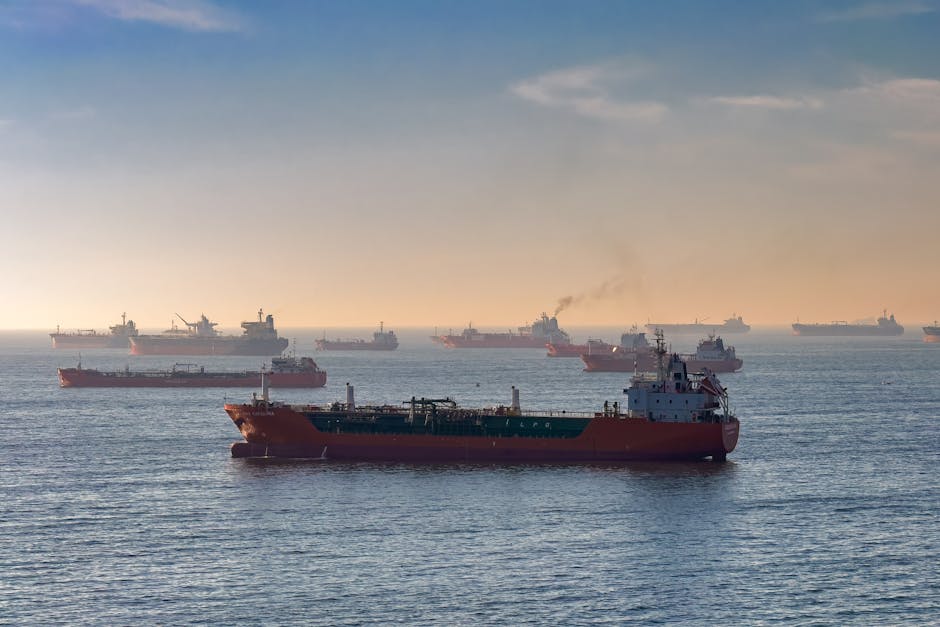
- The Strait of Hormuz is a vital waterway connecting the Persian Gulf to the Gulf of Oman, crucial for global oil supplies.
- Iran’s control over the Strait of Hormuz gives it significant influence over the global economy due to 20% of the world’s oil passing through it.
- The Strait of Hormuz’s narrow width makes it a natural chokepoint, allowing Iran to exert control over global oil flows.
- Iran is shifting its military strategy to prioritize naval capabilities to protect and utilize the Strait of Hormuz.
- The Strait of Hormuz’s importance will shape Iran’s regime and its relationships with other nations.
The Strait of Hormuz, a narrow waterway connecting the Persian Gulf to the Gulf of Oman, has become a critical point of leverage for Iran’s regime. With approximately 20% of the world’s oil passing through this strategic chokepoint, Iran’s control over the strait gives it significant influence over the global economy. This realization has led to a shift in Iran’s military strategy, with a greater emphasis on building up its naval capabilities to protect and utilize this vital waterway. As the world’s attention turns to the Strait of Hormuz, it is clear that this waterway will play a crucial role in shaping Iran’s regime and its relationships with other nations.
The Strategic Importance of the Strait of Hormuz

The Strait of Hormuz is a vital waterway, with nearly one-third of the world’s seaborne oil exports passing through it. The strait’s narrow width, approximately 21 miles at its widest point, makes it a natural chokepoint, and Iran’s control over the northern coast gives it significant leverage over global oil supplies. This has led to a heightened sense of urgency among global powers, as any disruption to oil flows through the strait could have significant economic implications. As the world’s economy continues to rely heavily on oil, the Strait of Hormuz has become a critical component of global energy security, and Iran’s regime is well aware of its importance.
Iran’s Military Build-Up

In recent years, Iran has invested heavily in building up its military capabilities, with a particular focus on its naval forces. The Iranian Revolutionary Guard Corps (IRGC) has developed a range of capabilities, including fast-attack boats, mines, and anti-ship missiles, which could be used to disrupt oil flows through the Strait of Hormuz. Additionally, Iran has established a number of naval bases along the strait, providing it with a significant military presence in the region. This build-up has been driven by Iran’s desire to protect its interests in the region and to deter potential aggressors, but it also provides the regime with a powerful tool for exerting influence over the global economy.
Analysis of the Situation
The situation in the Strait of Hormuz is complex and multifaceted, with a range of factors contributing to the current tensions. The ongoing conflict in Yemen, the rivalry between Iran and Saudi Arabia, and the presence of US and other foreign military forces in the region have all played a role in shaping the current dynamic. However, at its core, the situation is driven by Iran’s desire to assert its influence over the global economy and to protect its interests in the region. As the world’s reliance on oil continues, the Strait of Hormuz will remain a critical component of global energy security, and Iran’s regime will continue to play a significant role in shaping the regional dynamics.
Economic Implications
The economic implications of the situation in the Strait of Hormuz are significant, with any disruption to oil flows having the potential to impact global markets. The price of oil is already volatile, and any increase in tensions in the region could lead to a spike in prices, with significant implications for the global economy. Additionally, the ongoing tensions in the region have led to an increase in shipping costs, as vessels are forced to take longer routes to avoid the strait. This has significant implications for global trade, as the increased costs are passed on to consumers, highlighting the need for a resolution to the situation in the Strait of Hormuz.
Expert Perspectives
Experts are divided on the implications of the situation in the Strait of Hormuz, with some arguing that Iran’s regime is using the waterway as a bargaining chip to extract concessions from the international community. Others argue that the situation is more complex, with a range of factors contributing to the current tensions. According to Dr. Sanam Vakil, a specialist in Middle East politics, “The Strait of Hormuz is a critical component of Iran’s strategy to exert influence over the global economy, but it is also a high-risk strategy, as any disruption to oil flows could have significant implications for the global economy.”
As the situation in the Strait of Hormuz continues to evolve, it is clear that the waterway will play a significant role in shaping Iran’s regime and its relationships with other nations. The international community will be watching closely, as any disruption to oil flows could have significant implications for the global economy. The question on everyone’s mind is what will happen next, and how the situation will be resolved. Will Iran’s regime continue to use the Strait of Hormuz as a point of leverage, or will the international community find a way to mitigate the risks associated with the waterway? Only time will tell, but one thing is certain – the Strait of Hormuz will remain a critical component of global energy security for the foreseeable future.