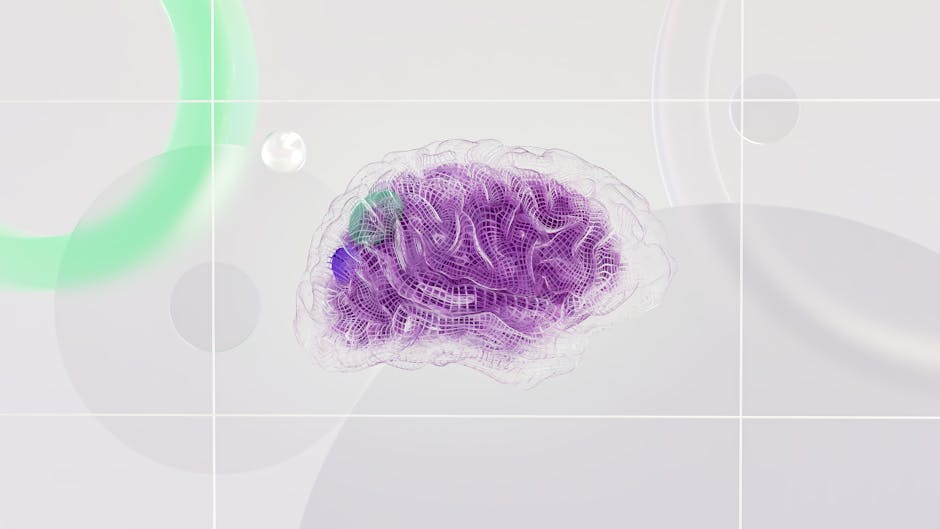
- A 3D brain simulator has been created to observe AI agents’ thought processes in real-time, enhancing AI transparency.
- The 3D brain simulator offers unparalleled insights into AI decision-making processes, leading to more effective AI systems.
- Developers can gain a deeper understanding of AI strengths and weaknesses, using the simulator’s real-time observations.
- The 3D brain simulator addresses the need for AI transparency and accountability in today’s AI landscape.
- The innovation can lead to the creation of more trustworthy and reliable AI systems.
A striking fact has emerged in the field of artificial intelligence: a 3D brain simulator has been created to watch AI agents think in real-time, providing unparalleled insights into their decision-making processes. This innovation has the potential to revolutionize the way we understand and interact with AI systems, enabling the creation of more sophisticated and transparent agents. With the ability to observe AI agents’ thought processes in real-time, developers can gain a deeper understanding of their strengths and weaknesses, ultimately leading to more effective and efficient AI systems.
The Emergence of Transparent AI

The development of this 3D brain simulator is particularly significant in today’s AI landscape, where transparency and accountability are becoming increasingly important. As AI systems become more pervasive in our daily lives, there is a growing need to understand how they make decisions and arrive at their conclusions. The 3D brain simulator addresses this need by providing a unique window into the inner workings of AI agents, enabling developers to identify potential biases and areas for improvement. This, in turn, can lead to the creation of more trustworthy and reliable AI systems.
Key Features and Functionality

The 3D brain simulator is an impressive tool that offers a range of features and functionalities, including the ability to provide AI agents with memory and a shared memory audit trail. This allows developers to track and analyze the decision-making processes of their AI agents, gaining valuable insights into their behavior and performance. The simulator also enables the creation of more complex AI systems, as agents can learn from their experiences and adapt to new situations. Furthermore, the 3D brain simulator is being offered for free, making it an attractive option for developers and researchers looking to explore the potential of transparent AI.
Expert Analysis and Implications
The development of the 3D brain simulator has significant implications for the field of artificial intelligence, as it has the potential to redefine the way we approach AI development and deployment. According to experts, this technology could lead to the creation of more sophisticated and human-like AI systems, capable of learning and adapting in complex environments. The 3D brain simulator also raises important questions about the future of AI development, including the potential risks and benefits of creating more transparent and accountable AI systems. As the use of AI becomes more widespread, it is essential to consider the ethical implications of this technology and ensure that it is developed and deployed in a responsible and beneficial manner.
Real-World Applications and Implications
The 3D brain simulator has far-reaching implications for a range of industries and applications, from healthcare and finance to transportation and education. By providing a unique window into the decision-making processes of AI agents, this technology can help to identify potential biases and areas for improvement, leading to more effective and efficient AI systems. For instance, in healthcare, the 3D brain simulator could be used to develop more sophisticated AI systems for disease diagnosis and treatment, while in finance, it could be used to create more robust and reliable AI systems for risk analysis and portfolio management.
Expert Perspectives
Experts in the field of artificial intelligence have welcomed the development of the 3D brain simulator, citing its potential to revolutionize the way we approach AI development and deployment. According to Dr. Rachel Kim, a leading AI researcher, “The 3D brain simulator is a game-changer for the field of AI, as it provides a unique window into the decision-making processes of AI agents. This technology has the potential to lead to the creation of more sophisticated and human-like AI systems, capable of learning and adapting in complex environments.” In contrast, others have raised concerns about the potential risks and benefits of this technology, highlighting the need for careful consideration and regulation.
As the development of the 3D brain simulator continues to advance, it is essential to consider the potential implications of this technology and ensure that it is developed and deployed in a responsible and beneficial manner. Looking to the future, it will be interesting to see how this technology is used and how it evolves, and whether it will lead to the creation of more transparent and accountable AI systems. One open question is how the 3D brain simulator will be integrated into existing AI systems and whether it will lead to a new generation of AI technologies that are more sophisticated and human-like.