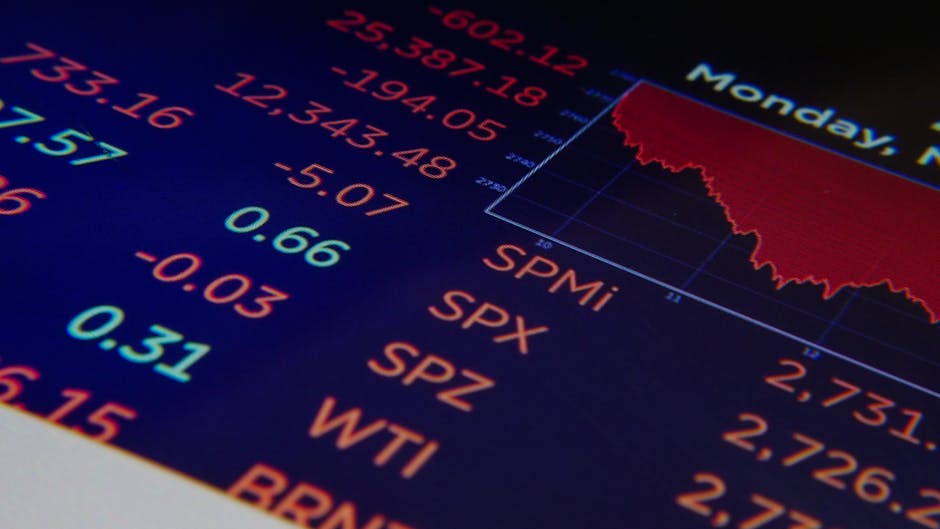
- Goldman Sachs’ bond traders underperformed in recent months, failing to capitalize on market volatility.
- The firm’s trading division saw declining revenues in the most recent quarter due to increased competition and failure to adapt.
- Goldman’s lack of adaptability in turbulent markets raises questions about its ability to excel in changing market conditions.
- The underperformance of Goldman’s trading division has significant implications for the firm’s overall financial health.
- The firm’s trading strategy will need to be reassessed to regain profitability and competitiveness.
Goldman Sachs, the venerable investment bank, has long been synonymous with trading prowess. However, the firm’s bond traders stumbled in recent months, failing to capitalize on market volatility that lifted rivals such as Morgan Stanley and JPMorgan Chase. This underperformance is particularly noteworthy given Goldman’s identity as a trader’s firm, one expected to excel in turbulent markets. The stumble has significant implications for the firm’s overall performance and raises questions about its ability to adapt to changing market conditions.
Turbulent Markets and Trading Performance

The recent market volatility, driven by factors such as inflation concerns and geopolitical tensions, presented a prime opportunity for traders to profit. However, Goldman Sachs’ trading division failed to seize this opportunity, with revenues declining in the most recent quarter. This decline is notable, as Goldman’s trading business has long been a key driver of the firm’s profitability. The underperformance of the trading division has significant implications for the firm’s overall financial health and underscores the need for Goldman to reassess its trading strategy.
Key Players and Market Dynamics

The decline in Goldman’s trading revenues can be attributed to a combination of factors, including increased competition from rivals and a failure to adapt to changing market conditions. Morgan Stanley and JPMorgan Chase, in particular, have been aggressive in expanding their trading operations, hiring top talent, and investing in new technologies. Additionally, the rise of electronic trading platforms has reduced the need for traditional trading desks, further increasing competition for Goldman. The firm’s traders, once the envy of Wall Street, are now facing intensifying pressure to perform.
Causes and Consequences of Underperformance
The underperformance of Goldman’s trading division can be attributed to a range of factors, including a lack of investment in new technologies and a failure to adapt to changing market conditions. The firm’s traditional trading approach, which emphasized human judgment and discretion, has been disrupted by the rise of electronic trading platforms and algorithmic trading strategies. Furthermore, the decline in trading revenues has significant implications for Goldman’s overall financial health, as the trading division has long been a key driver of the firm’s profitability. The underperformance of the trading division has also raised questions about the firm’s ability to attract and retain top trading talent.
Implications for Goldman Sachs and the Industry
The underperformance of Goldman’s trading division has significant implications for the firm and the broader industry. The decline in trading revenues has raised questions about Goldman’s ability to adapt to changing market conditions and has underscored the need for the firm to reassess its trading strategy. Additionally, the rise of electronic trading platforms and algorithmic trading strategies has significant implications for the future of trading, as traditional trading desks are increasingly displaced by automated systems. The implications of this trend are far-reaching, with significant consequences for trading firms, investors, and the broader financial system.
Expert Perspectives
Experts are divided on the implications of Goldman’s underperformance, with some arguing that the firm’s traditional trading approach is no longer viable in today’s markets. Others argue that the firm’s decline is a temporary setback, and that Goldman will adapt and evolve to remain competitive. According to one expert, ‘A fire is being lit under Goldman Sachs, and the firm will need to respond quickly to remain competitive.’ Another expert noted that ‘the rise of electronic trading platforms and algorithmic trading strategies has significant implications for the future of trading, and firms that fail to adapt will be left behind.’
Looking ahead, the key question is how Goldman will respond to the challenges facing its trading division. Will the firm invest in new technologies and adapt to changing market conditions, or will it continue to rely on its traditional trading approach? The answer to this question will have significant implications for the firm’s overall financial health and its ability to remain competitive in the rapidly evolving trading landscape. As one expert noted, ‘the next few months will be critical for Goldman Sachs, as the firm navigates the challenges facing its trading division and seeks to restore its position as a leader in the industry.’