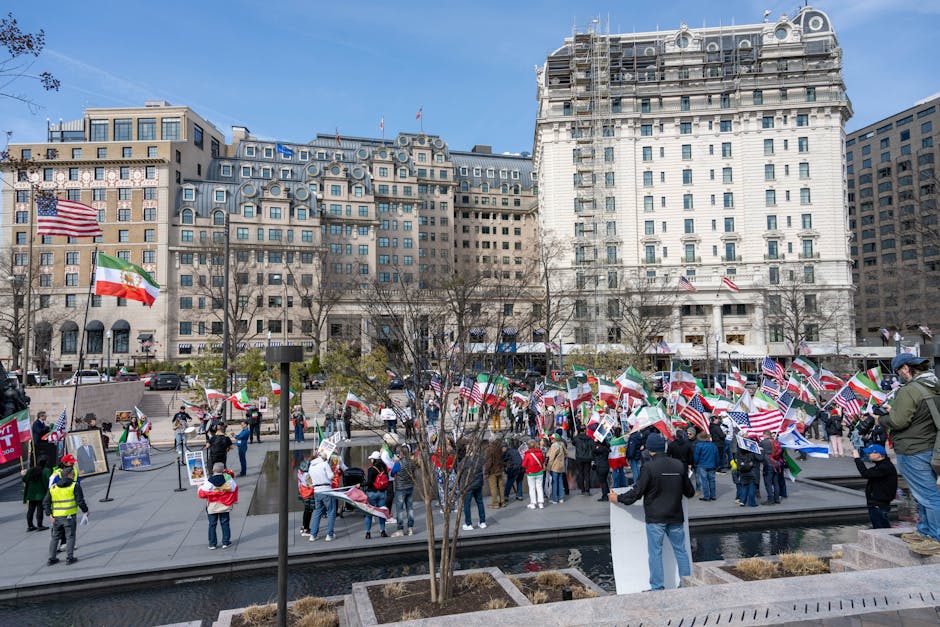
- Thousands of Americans refuse to pay federal taxes in protest of the Trump administration’s policies.
- Tax resistance is a long-standing tradition in the US, dating back to the 18th century.
- Citizens are using tax resistance as a form of protest against government policies they disagree with.
- The tax resistance movement is becoming an increasingly important form of civic engagement in the US.
- Taxpayers are willing to face IRS consequences rather than fund policies that go against their moral values.
A striking fact has emerged in the United States: thousands of Americans are refusing to pay their federal taxes in protest of the Trump administration’s policies. From a Brooklyn freelancer who hasn’t paid federal taxes since the Vietnam War to a new mom horrified by the Iran war, tax resisters say they’d rather face IRS consequences than fund policies they oppose. This phenomenon is not new, but it has gained momentum in recent years, with many citizens feeling that their tax dollars are being used to support initiatives that go against their moral values. As the tax resistance movement grows, it raises important questions about the role of taxation in a democratic society and the limits of citizen dissent.
The History of Tax Resistance in the US

The concept of tax resistance is not unique to the Trump era. In fact, it has a long history in the United States, dating back to the 18th century. From the Boston Tea Party to the anti-war movements of the 1960s, Americans have consistently used tax resistance as a form of protest against government policies they disagree with. Today, this tradition continues, with many citizens refusing to pay taxes as a way to express their opposition to the Trump administration’s stance on issues such as immigration, healthcare, and foreign policy. As the movement gains momentum, it is clear that tax resistance is becoming an increasingly important form of civic engagement in the US.
Key Players and Their Stories

So, who are these tax resisters, and what motivates them to take such a drastic step? Meet Jane, a Brooklyn freelancer who hasn’t paid federal taxes since the Vietnam War. For Jane, tax resistance is a moral imperative, a way to ensure that her money is not being used to fund wars and other initiatives that she opposes. Then there’s Sarah, a new mom who was horrified by the Iran war and decided to join the tax resistance movement. Despite the risks, including potential fines and even imprisonment, these individuals are willing to face the consequences of their actions, citing their commitment to their values and their desire to create positive change. As their stories illustrate, tax resistance is not just a form of protest, but a deeply personal decision that requires courage and conviction.
Understanding the Consequences and Implications
But what are the consequences of tax resistance, and how does it affect the economy and society as a whole? According to experts, the impact of tax resistance is complex and multifaceted. On the one hand, it can lead to a loss of revenue for the government, which can have negative consequences for public services and infrastructure. On the other hand, it can also serve as a powerful form of protest, raising awareness about important issues and inspiring others to take action. As the movement grows, it is likely that we will see a range of responses from the government, from increased enforcement to potential reforms. One thing is clear, however: tax resistance is an important phenomenon that deserves our attention and understanding.
Broader Implications and Potential Outcomes
So, who is affected by tax resistance, and how? The answer is complex, as the implications of tax resistance are far-reaching and multifaceted. For one, it can have a significant impact on the economy, particularly if large numbers of people refuse to pay their taxes. This can lead to a decrease in government revenue, which can have negative consequences for public services and infrastructure. Additionally, tax resistance can also have a profound impact on individuals and communities, particularly those who are already marginalized or vulnerable. As the movement grows, it is likely that we will see a range of outcomes, from increased awareness and activism to potential crackdowns and repression. One thing is clear, however: tax resistance is an important phenomenon that deserves our attention and understanding.
Expert Perspectives
Experts are divided on the issue of tax resistance, with some viewing it as a legitimate form of protest and others seeing it as a threat to the social contract. According to Dr. Susan Anderson, a leading expert on tax policy, tax resistance can be a powerful tool for creating positive change, but it also requires careful consideration and planning. On the other hand, Dr. John Taylor, a economist at Stanford University, argues that tax resistance is a form of civic irresponsibility, one that can have negative consequences for the economy and society as a whole. As these contrasting viewpoints illustrate, the issue of tax resistance is complex and multifaceted, requiring careful consideration and nuanced understanding.
Looking to the future, one question remains: what’s next for the tax resistance movement? Will it continue to grow and gain momentum, or will it face crackdowns and repression? As the movement evolves, it is likely that we will see a range of outcomes, from increased awareness and activism to potential reforms and changes in government policy. One thing is clear, however: tax resistance is an important phenomenon that deserves our attention and understanding, and its implications will be felt for years to come.