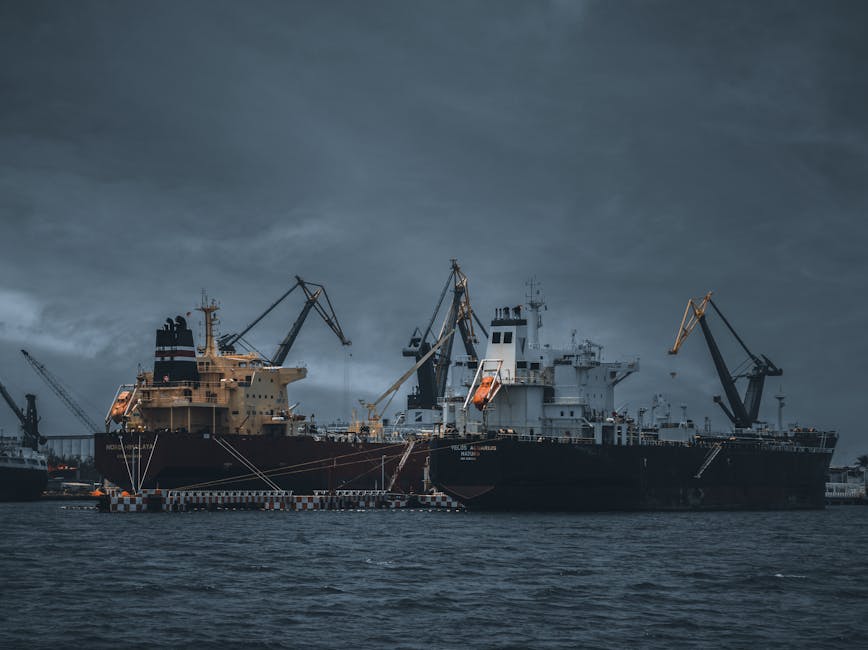
- Ship spoofing involves altering or falsifying a vessel’s identity or location data to evade detection.
- The Strait of Hormuz has seen a significant increase in vessel spoofing activities in response to the American blockade.
- At least 12 vessels have been involved in spoofing activities over the past month in the region.
- Ship spoofing can heighten tensions in the region and compound confusion due to the complexity of the situation.
- Effective monitoring and enforcement mechanisms are needed to prevent the misuse of the maritime domain.
The Strait of Hormuz, a critical waterway connecting the Persian Gulf to the Arabian Sea, has witnessed a significant increase in deceptive vessel activity, with some ships engaging in a practice known as ‘spoofing’ to disguise their identities and movements. This worrying trend, which may be a direct response to the new American blockade, has the potential to compound confusion and heighten tensions in the region. According to recent data, at least 12 vessels have been involved in spoofing activities over the past month, with some ships transmitting false location data and others altering their cargo information to avoid detection.
Background and Context

The Strait of Hormuz is one of the most strategically important waterways in the world, with approximately 20% of the world’s oil passing through it every day. The recent imposition of the American blockade has led to a significant increase in tensions between the US and Iran, with both countries engaging in a war of words and diplomatic maneuvers. The rise of ship spoofing in the region may be a symptom of this increased tension, as vessels linked to Iran attempt to evade detection and continue their operations despite the blockade. This development has significant implications for global trade and security, and underscores the need for effective monitoring and enforcement mechanisms to prevent the misuse of the maritime domain.
Key Details and Incidents

According to maritime experts, the spoofing activities in the Strait of Hormuz have been carried out by a range of vessels, including oil tankers, cargo ships, and even naval vessels. In some cases, ships have been transmitting false location data, making it appear as though they are in a different location or on a different course. In other cases, vessels have altered their cargo information, claiming to be carrying different types of cargo or falsifying their cargo manifests. These tactics are designed to deceive authorities and avoid detection, and may be used to smuggle contraband or evade sanctions. The exact motivations behind these activities are not yet clear, but they are likely linked to the ongoing tensions between the US and Iran.
Analysis and Implications
The rise of ship spoofing in the Strait of Hormuz has significant implications for regional security and global trade. If left unchecked, these activities could lead to a breakdown in trust and cooperation among nations, and may even contribute to an increase in maritime accidents and environmental disasters. Furthermore, the use of spoofing tactics by vessels linked to Iran may be seen as a provocation by the US and its allies, leading to an escalation of tensions and potentially even military action. To prevent these outcomes, it is essential that the international community takes steps to address the issue of ship spoofing, including the development of more effective monitoring and enforcement mechanisms, and the implementation of stricter regulations and sanctions for vessels that engage in deceptive activities.
Regional Consequences
The consequences of ship spoofing in the Strait of Hormuz will be felt across the region, with potential impacts on trade, security, and the environment. For example, if spoofing activities lead to an increase in maritime accidents, the resulting environmental damage could have devastating consequences for local ecosystems and communities. Similarly, if the use of spoofing tactics by vessels linked to Iran leads to an escalation of tensions with the US and its allies, the resulting conflict could have far-reaching consequences for regional stability and security. It is therefore essential that nations in the region work together to address the issue of ship spoofing, and take steps to prevent the misuse of the maritime domain.
Expert Perspectives
Maritime experts and analysts have offered a range of perspectives on the issue of ship spoofing in the Strait of Hormuz. Some have argued that the rise of spoofing activities is a direct response to the American blockade, and that vessels linked to Iran are simply trying to find ways to evade detection and continue their operations. Others have suggested that the use of spoofing tactics is a more complex phenomenon, driven by a range of factors including economic, political, and strategic considerations. Regardless of the motivations behind these activities, it is clear that ship spoofing poses a significant challenge to regional security and global trade, and that effective solutions will require cooperation and collaboration among nations.
Looking to the future, it is clear that the issue of ship spoofing in the Strait of Hormuz will require ongoing attention and action from the international community. As tensions between the US and Iran continue to escalate, the potential for further spoofing activities and other forms of maritime deception will only increase. To prevent these outcomes, nations must work together to develop more effective monitoring and enforcement mechanisms, and to implement stricter regulations and sanctions for vessels that engage in deceptive activities. By taking these steps, we can help to reduce the risks associated with ship spoofing, and promote a more stable and secure maritime environment.