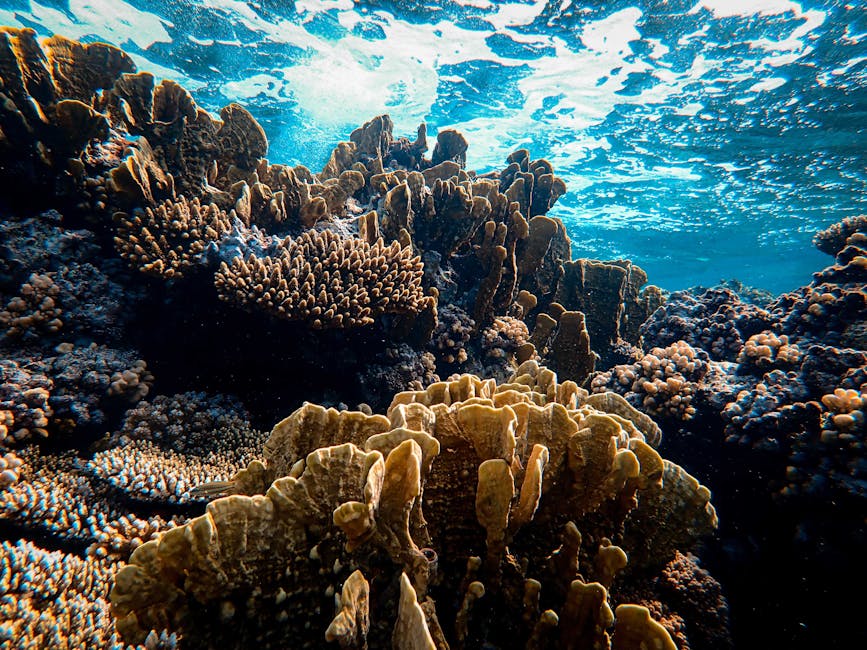
- Climate change is causing a surge in algae growth, threatening the delicate balance of marine ecosystems in Devon and Cornwall.
- Rising temperatures and altered precipitation levels are affecting marine ecosystems worldwide, with far-reaching consequences for biodiversity.
- The health of our oceans is inextricably linked to the health of our planet, making it crucial to understand complex marine ecosystems.
- Algae blooms can have devastating effects on marine life, highlighting the urgent need for action to mitigate climate change.
- Researchers from Plymouth Marine Laboratory are uncovering the intricacies of marine ecosystems, shedding light on the complex web of relationships within these systems.
A striking fact has emerged from the shores of Devon and Cornwall, where experts from Plymouth Marine Laboratory have been testing the waters and analyzing algae blooms. The region has experienced a wetter winter and a warmer summer, resulting in a significant impact on marine life. This shift in climate has led to an explosion of algae growth, with potentially devastating consequences for the delicate ecosystem. As the world grapples with the challenges of climate change, this phenomenon serves as a stark reminder of the far-reaching effects on our planet’s biodiversity.
The Changing Tides of Marine Ecosystems

The changing weather patterns in the region are a pressing concern, and experts believe that this is not an isolated incident. Rising temperatures and altered precipitation levels are affecting marine ecosystems worldwide, leading to a cascade of consequences for the plants and animals that call these ecosystems home. The health of our oceans is inextricably linked to the health of our planet, and understanding the intricacies of these complex systems is crucial for developing effective strategies to mitigate the effects of climate change. As researchers delve deeper into the world of marine ecosystems, they are uncovering a complex web of relationships that underscore the need for urgent action.
Uncovering the Mysteries of Algae Blooms

The team from Plymouth Marine Laboratory has been working tirelessly to analyze the algae blooms in Devon and Cornwall waters, seeking to understand the underlying causes of this phenomenon. By collecting and examining water samples, they have gained valuable insights into the dynamics of these ecosystems. It appears that the warmer summer months have created an ideal environment for algae growth, which in turn has led to a surge in the production of toxic compounds. These toxins can have a devastating impact on marine life, causing widespread damage to the food chain and ecosystem as a whole. As the researchers continue to study this phenomenon, they are piecing together a comprehensive picture of the complex interactions at play.
Understanding the Causes and Consequences
A thorough analysis of the data has revealed a complex interplay of factors contributing to the algae blooms. The warmer waters have increased the growth rate of algae, while the wetter winter has introduced excess nutrients into the ecosystem. This combination has created a perfect storm, with the algae blooms serving as a symptom of a larger problem. The consequences of this phenomenon are far-reaching, with implications for the entire food chain. As the toxins produced by the algae make their way through the ecosystem, they can have a devastating impact on marine life, from the smallest plankton to the largest marine mammals. By examining the data and expert opinions, researchers are working to develop a deeper understanding of the causes and consequences of this phenomenon.
Implications for Marine Ecosystems
The implications of this phenomenon are profound, with the potential to affect not only the marine ecosystem but also the communities that depend on it. The fishing industry, tourism, and local economies are all at risk, as the decline of marine ecosystems can have far-reaching consequences. As the world struggles to come to terms with the challenges of climate change, it is essential to recognize the importance of preserving our oceans and the delicate ecosystems they support. By taking action to reduce our carbon footprint and mitigate the effects of climate change, we can work towards preserving the health and biodiversity of our oceans for future generations.
Expert Perspectives
Experts in the field are weighing in on the issue, offering contrasting viewpoints on the best course of action. Some argue that the focus should be on reducing greenhouse gas emissions, while others believe that more needs to be done to protect and preserve marine ecosystems. As the debate continues, one thing is clear: urgent action is needed to address the challenges facing our oceans. By bringing together experts from a range of disciplines, we can work towards developing effective strategies for mitigating the effects of climate change and preserving the health of our oceans.
As researchers look to the future, they are left with a pressing question: what does the future hold for marine ecosystems? Will we be able to mitigate the effects of climate change and preserve the delicate balance of these ecosystems, or will we succumb to the challenges that lie ahead? The answer remains to be seen, but one thing is certain: the fate of our oceans and the ecosystems they support hangs in the balance. As we move forward, it is essential to continue monitoring the situation, working towards a deeper understanding of the complex interactions at play, and developing effective strategies for preserving the health and biodiversity of our oceans.