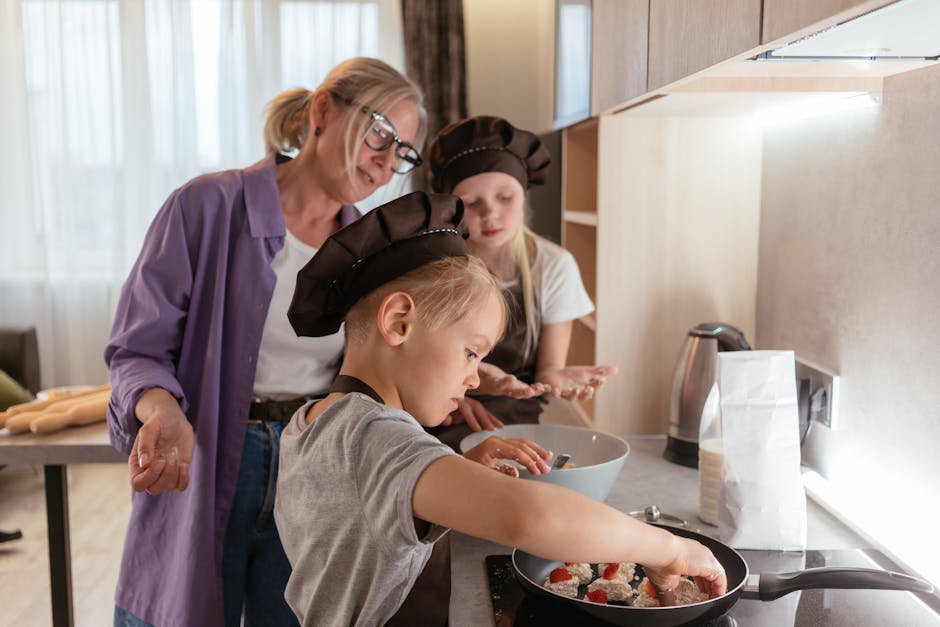
- Gen Z is turning to Italian nonnas for inspiration on how to live a long and happy life through the trend of Nonnamaxxing.
- Nonnamaxxing focuses on adopting the lifestyle habits of Italian grandmothers, including a Mediterranean diet and prioritizing family and social connections.
- The trend is unique in its emphasis on the cultural and traditional aspects of Italian life, not just its health benefits.
- Young people are discovering the joys of traditional Italian culture and the importance of preserving family traditions through Nonnamaxxing.
- Nonnamaxxing encourages individuals to adopt a holistic approach to well-being, encompassing physical, emotional, and social health.
In a surprising turn of events, Gen Z is turning to Italian grandmothers for inspiration on how to live a long and happy life. The trend, dubbed Nonnamaxxing, has taken social media by storm, with young people donning flowery dresses and attempting to make their own pasta sauce, all in the hopes of unlocking the secret to a century-long life. But is it really possible to live to be 100 by embracing the lifestyle of an Italian nonna? With the average human lifespan increasing globally, it’s no wonder that people are seeking out new and innovative ways to extend their years and improve their overall health.
The Rise of Nonnamaxxing

The concept of Nonnamaxxing is rooted in the idea that Italian grandmothers, or nonnas, have been living longer and happier lives for decades. By adopting their lifestyle habits, such as eating a Mediterranean diet, engaging in regular physical activity, and prioritizing family and social connections, Gen Z hopes to reap the same benefits. But what makes Nonnamaxxing so unique is its focus on the cultural and traditional aspects of Italian life. From cooking and food preservation to family gatherings and storytelling, every aspect of the nonna’s lifestyle is being studied and emulated. As a result, a new generation of young people is discovering the joys of traditional Italian culture and the importance of preserving family traditions.
Uncovering the Secrets of Nonnamaxxing

So, what exactly is behind the success of Nonnamaxxing? According to experts, it’s a combination of factors, including diet, lifestyle, and attitude. Italian nonnas are known for their emphasis on fresh, locally-sourced ingredients, and their traditional cooking methods, which often involve slow-cooking and preserving food. They also prioritize physical activity, such as walking and gardening, and engage in regular social activities, like family gatherings and community events. But perhaps the most important aspect of Nonnamaxxing is the nonna’s attitude towards life. Italian grandmothers are known for their positivity, resilience, and strong sense of family and community, all of which contribute to their overall well-being and longevity. By adopting these habits and attitudes, Gen Z hopes to experience the same benefits and live a longer, happier life.
Delving Deeper into the World of Nonnamaxxing
As the trend of Nonnamaxxing continues to grow, it’s becoming clear that it’s not just about adopting a few lifestyle habits or cooking techniques. It’s about embracing a entire way of life, one that values tradition, family, and community. For many young people, Nonnamaxxing is a way to connect with their heritage and cultural roots, and to learn valuable skills and traditions that have been passed down through generations. It’s also a way to challenge the fast-paced, technology-driven lifestyle of modern society and to prioritize what’s truly important: family, friends, and personal well-being. As one Nonnamaxxing enthusiast noted, “It’s not just about living to be 100, it’s about living a life that’s full of purpose, meaning, and joy.”
The Impact of Nonnamaxxing on Modern Society
The rise of Nonnamaxxing has significant implications for modern society, particularly in terms of how we approach health, wellness, and aging. By embracing the lifestyle habits and attitudes of Italian nonnas, Gen Z is challenging the conventional wisdom that youth and beauty are the most valuable assets in life. Instead, they’re prioritizing wisdom, experience, and tradition, and recognizing the importance of intergenerational connections and community. As the trend continues to grow, it’s likely that we’ll see a shift in how society views aging and longevity, and a greater emphasis on preserving traditional cultural practices and family traditions. This, in turn, could have a positive impact on public health, social cohesion, and overall well-being.
Expert Perspectives
Experts in the field of aging and longevity are weighing in on the trend of Nonnamaxxing, with some hailing it as a revolutionary approach to healthy aging. According to Dr. Maria Rossi, a gerontologist at the University of Rome, “Nonnamaxxing is a powerful example of how cultural and traditional practices can contribute to healthy aging. By embracing the lifestyle habits and attitudes of Italian nonnas, young people can reduce their risk of chronic disease, improve their mental health, and increase their overall well-being.” However, not all experts are convinced, with some arguing that the trend is overly romanticized and lacks scientific evidence. As Dr. John Taylor, a sociologist at the University of California, noted, “While Nonnamaxxing may be a fun and engaging way to approach healthy aging, we need to be careful not to oversimplify the complex factors that contribute to longevity.”
As the trend of Nonnamaxxing continues to evolve, it’s clear that it’s not just a passing fad, but a profound shift in how we approach health, wellness, and aging. With its emphasis on tradition, family, and community, Nonnamaxxing offers a unique and compelling alternative to the fast-paced, technology-driven lifestyle of modern society. As we look to the future, it will be interesting to see how this trend continues to unfold, and what impact it will have on our collective understanding of what it means to live a long, happy, and healthy life.