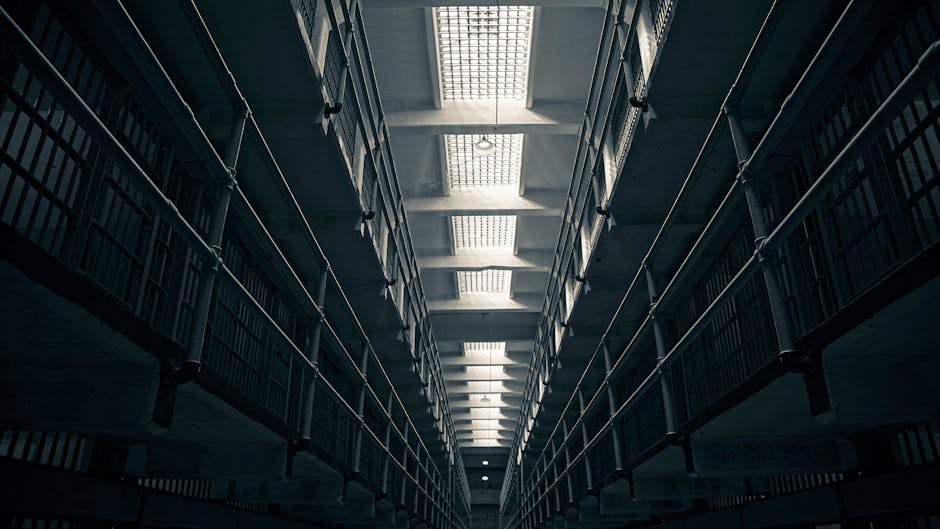
- El Salvador’s mass arrest campaign has led to over 60,000 arrests, putting immense pressure on the country’s prison system.
- The prison system is plagued by overcrowding and a lack of resources, with prisoners facing harsh conditions and limited access to basic services.
- The government’s tough-on-crime policies have been criticized for their heavy-handed approach and lack of emphasis on rehabilitation.
- Gang violence has been a long-standing problem in El Salvador, perpetuating a cycle of violence and intimidation that has claimed thousands of lives.
- The human impact of El Salvador’s struggle against gang violence is often overlooked, with stories of affected individuals and families being underreported.
It has been four years since Sugey Amaya’s brother was detained in El Salvador’s mass arrest campaign, an experience that would change her life forever. With over 60,000 people arrested in the government’s crackdown on gangs, the country’s prison system has been under immense pressure. Amaya has since devoted her life to helping prisoners like her brother, providing them with support and guidance as they navigate the complex and often unforgiving system. Her dedication is a testament to the human impact of El Salvador’s struggle against gang violence, and the often-overlooked stories of those affected by it.
The Roots of El Salvador’s Prison Crisis

El Salvador’s prison crisis is a symptom of a larger problem – the country’s long-standing struggle with gang violence. For decades, gangs have plagued the country, perpetuating a cycle of violence and intimidation that has claimed thousands of lives. The government’s response has been to implement a series of tough-on-crime policies, including the mass arrest campaign that swept up Amaya’s brother. While these policies have been popular with some segments of the population, they have also been criticized for their heavy-handed approach and lack of emphasis on rehabilitation. As a result, the prison system has become overcrowded and under-resourced, with many prisoners facing harsh conditions and limited access to basic services.
The Human Cost of El Salvador’s Gang War

The human cost of El Salvador’s gang war is stark, with thousands of people killed or displaced each year. The conflict has also had a profound impact on the country’s social fabric, eroding trust in institutions and perpetuating a culture of fear and mistrust. For those caught up in the conflict, like Amaya’s brother, the experience can be traumatic and life-altering. Many prisoners are detained for extended periods without trial, and those who are released often struggle to reintegrate into society. Amaya’s work is focused on supporting these individuals, providing them with the help and guidance they need to rebuild their lives and start anew.
Understanding the Complexities of El Salvador’s Prison System
El Salvador’s prison system is complex and multifaceted, with a range of factors contributing to its dysfunction. Overcrowding is a major issue, with many prisons operating at more than double their intended capacity. This has led to the spread of diseases, poor living conditions, and increased violence. The system is also plagued by corruption, with some prison officials accused of colluding with gangs and perpetuating the cycle of violence. Furthermore, the lack of resources and funding has hindered the development of rehabilitation programs, leaving many prisoners without access to education, job training, or counseling. Amaya’s work highlights the need for a more nuanced approach to addressing these issues, one that prioritizes rehabilitation and support over punishment and incarceration.
The Broader Implications of El Salvador’s Prison Crisis
The implications of El Salvador’s prison crisis extend far beyond the country’s borders, with regional and international implications. The flow of migrants from El Salvador to the United States has been driven in part by the violence and instability perpetuated by the gang war. The crisis has also had a profound impact on the country’s economy, with the cost of incarceration and the loss of productivity due to violence taking a significant toll on the nation’s GDP. As the international community seeks to address these issues, it is clear that a more comprehensive approach is needed, one that addresses the root causes of the conflict and provides support to those affected by it.
Expert Perspectives
Experts are divided on the best approach to addressing El Salvador’s prison crisis, with some advocating for a tougher stance on crime and others pushing for a more nuanced approach. According to Dr. Maria Rodriguez, a leading expert on El Salvador’s prison system, “the key to addressing the crisis is to prioritize rehabilitation and support, rather than simply punishing offenders.” In contrast, others argue that a more heavy-handed approach is needed, citing the need to maintain public safety and order. As the debate continues, it is clear that there are no easy answers, and that a comprehensive solution will require a sustained effort from all stakeholders.
As Amaya continues her work, supporting prisoners and advocating for change, the question remains – what does the future hold for El Salvador’s prison system? Will the government prioritize rehabilitation and support, or will it continue down the path of punishment and incarceration? The answer to this question will have far-reaching implications, not just for the country, but for the region and the world. As the international community watches, it is clear that El Salvador’s prison crisis is a complex and multifaceted issue, one that requires a sustained and nuanced approach to address.