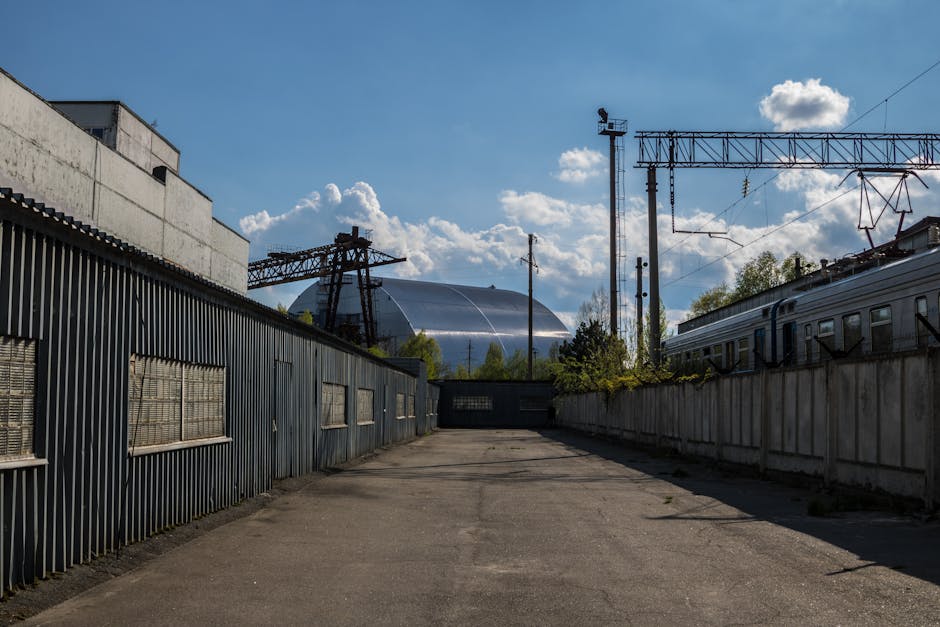
- The Chernobyl nuclear power plant, site of the 1986 catastrophic accident, was occupied by Russian troops in 2022, raising concerns about safety and security.
- A 2,600 square kilometer exclusion zone around Chernobyl remains highly contaminated with radioactive material, posing a significant risk to the environment.
- Lyudmila Dyblenko, a meteorologist at the plant, displayed bravery and dedication in taking vital measurements during the Russian occupation.
- The exclusion zone, home to unique and endangered species, is carefully monitored by scientists and technicians to prevent the spread of radioactive material.
- Russian troops, unprepared to handle the challenges of the exclusion zone, posed a risk to the environment and people living and working in the area.
As the Russian invasion of Ukraine began in February 2022, the Chernobyl nuclear power plant, located just 130 kilometers north of Kyiv, found itself on the front lines of the conflict. The plant, site of the catastrophic 1986 nuclear accident, is surrounded by a 2,600 square kilometer exclusion zone, an area that remains highly contaminated with radioactive material. Despite the danger, Lyudmila Dyblenko, a meteorologist at the plant, fearlessly continued to take vital measurements, ensuring the safety of the surrounding area and the people who live and work there. Her bravery and dedication are a testament to the critical role that scientists and technicians play in maintaining public safety, even in the most challenging of circumstances.
The Occupation of Chernobyl

The Russian occupation of Chernobyl, which lasted for over a month, raised significant concerns about the safety and security of the plant and the surrounding area. The exclusion zone, which is home to a variety of unique and endangered species, is carefully monitored by scientists and technicians who work to prevent the spread of radioactive material. The presence of Russian troops, who were not equipped to deal with the challenges of the exclusion zone, posed a significant risk to the environment and to the people who live and work in the area. Despite these challenges, Lyudmila Dyblenko and her colleagues continued to work, taking measurements and monitoring the situation, even as the sounds of war grew closer.
Monitoring the Exclusion Zone

Lyudmila Dyblenko’s work as a meteorologist at Chernobyl is critical to the safe operation of the plant and the surrounding area. She and her colleagues use specialized equipment to monitor the levels of radioactive material in the air, water, and soil, and to track the movement of contaminated material through the environment. This information is used to predict the spread of radioactive material and to develop strategies for mitigating its effects. During the Russian occupation, Dyblenko’s work took on an added level of importance, as the presence of troops and military equipment increased the risk of accidents and the spread of contamination. Despite the challenges, she and her colleagues continued to work, taking careful measurements and monitoring the situation, even as the occupation continued.
Analysis of the Situation
The Russian occupation of Chernobyl has significant implications for the safety and security of the plant and the surrounding area. The presence of troops and military equipment increased the risk of accidents and the spread of radioactive material, and the lack of specialized training and equipment among the Russian soldiers made it difficult for them to respond to emergencies. The situation was further complicated by the fact that the occupation disrupted the normal functioning of the plant, making it more difficult for scientists and technicians to do their work. According to experts, the occupation of Chernobyl highlights the need for increased international cooperation and oversight, particularly in areas with significant nuclear or environmental risks. By working together, countries can reduce the risks associated with these types of facilities and ensure that they are operated safely and securely.
Implications of the Occupation
The implications of the Russian occupation of Chernobyl are far-reaching and significant. The disruption of the plant’s normal functioning and the increased risk of accidents and the spread of radioactive material have significant consequences for the environment and for the people who live and work in the area. The occupation also highlights the need for increased investment in safety and security measures, particularly in areas with significant nuclear or environmental risks. According to experts, the international community must work together to develop and implement effective strategies for mitigating these risks and ensuring that facilities like Chernobyl are operated safely and securely. This will require increased cooperation and oversight, as well as significant investment in safety and security measures.
Expert Perspectives
Experts who have studied the situation at Chernobyl offer contrasting viewpoints on the implications of the Russian occupation. Some argue that the occupation highlights the need for increased international cooperation and oversight, particularly in areas with significant nuclear or environmental risks. Others argue that the situation at Chernobyl is unique and that the occupation does not have significant implications for the broader region. However, all experts agree that the bravery and dedication of scientists and technicians like Lyudmila Dyblenko are critical to maintaining public safety, even in the most challenging of circumstances. Their work serves as a reminder of the importance of science and technology in addressing the complex challenges that we face.
As the situation at Chernobyl continues to evolve, it is clear that the international community must remain vigilant and engaged. The risks associated with the plant and the surrounding area are significant, and the occupation highlights the need for increased cooperation and oversight. Looking forward, it will be important to monitor the situation closely and to work towards developing effective strategies for mitigating the risks associated with facilities like Chernobyl. By working together, we can reduce the risks and ensure that these types of facilities are operated safely and securely, protecting the environment and the people who live and work in the surrounding area.