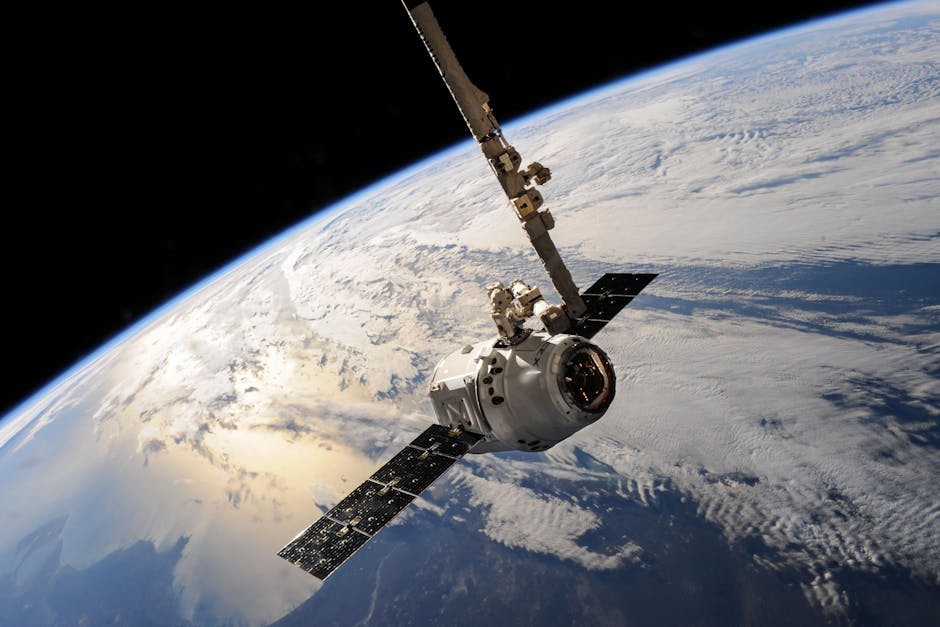
- A new tool uses satellite data to track military activity, shifting the dynamics of global conflict.
- The tool combines satellite imagery and machine learning algorithms to analyze logistical activity near military bases.
- This innovation has far-reaching implications, from monitoring troop movements to analyzing supply chain logistics.
- The use of satellite data to gather logistical intelligence is a relatively new development with tremendous promise.
- The tool leverages advancements in AI and machine learning to identify patterns and trends in satellite data.
A striking fact has emerged in the field of military intelligence: the use of satellite data to gather logistical intelligence has become a game-changer. With the ability to track military movements and activity from space, the dynamics of global conflict have shifted. Recently, a developer created a tool to gather logistical intelligence from satellite data, shedding light on the inner workings of military operations. This innovation has far-reaching implications, from monitoring troop movements to analyzing supply chain logistics.
Background and Context

The importance of logistical intelligence cannot be overstated, particularly in today’s complex and interconnected world. As military operations become increasingly sophisticated, the need for accurate and timely intelligence has never been greater. The use of satellite data to gather logistical intelligence is a relatively new development, but one that has already shown tremendous promise. By leveraging advancements in artificial intelligence and machine learning, developers can now analyze vast amounts of satellite data to identify patterns and trends that would be impossible to detect through traditional means.
Key Details of the Tool

The tool, which was recently shared on a popular online forum, uses a combination of satellite imagery and machine learning algorithms to track logistical activity near military bases and other hubs. The developer behind the tool has reported impressive results, with the ability to identify and analyze military movements with a high degree of accuracy. The tool is still in its early stages, but it has already generated significant interest within the military intelligence community. As the tool continues to evolve and improve, it is likely to become an essential component of modern military operations.
Analysis and Implications
So, what are the implications of this new tool for the world of military intelligence? The answer lies in its ability to provide real-time insights into logistical activity, allowing military commanders to make more informed decisions about troop deployments and supply chain management. The tool can also be used to monitor the activity of potential adversaries, providing valuable intelligence on their military capabilities and intentions. Furthermore, the use of satellite data to gather logistical intelligence raises important questions about the role of technology in modern warfare, and the potential risks and benefits associated with its use.
Global Implications
The implications of this tool extend far beyond the military sphere, with potential applications in fields such as international relations, economics, and environmental monitoring. As the use of satellite data to gather logistical intelligence becomes more widespread, it is likely to have a profound impact on the way we understand and interact with the world around us. From tracking the movement of goods and supplies to monitoring the activity of military forces, the possibilities are endless. As the world becomes increasingly interconnected, the need for accurate and timely intelligence has never been greater, and this tool is poised to play a major role in meeting that need.
Expert Perspectives
Experts in the field of military intelligence are divided on the potential implications of this tool, with some hailing it as a game-changer and others expressing caution about its potential risks and limitations. According to one expert, the use of satellite data to gather logistical intelligence has the potential to revolutionize the field of military intelligence, providing real-time insights into logistical activity and allowing military commanders to make more informed decisions. However, others have raised concerns about the potential for misuse, and the need for careful consideration of the ethical implications of this technology.
As the use of satellite data to gather logistical intelligence continues to evolve and improve, it is likely to have a profound impact on the world of military intelligence and beyond. With its potential to provide real-time insights into logistical activity, this tool is poised to become an essential component of modern military operations. But as with any new technology, there are also potential risks and limitations that must be carefully considered, and it will be important to watch how this tool is used and developed in the years to come.