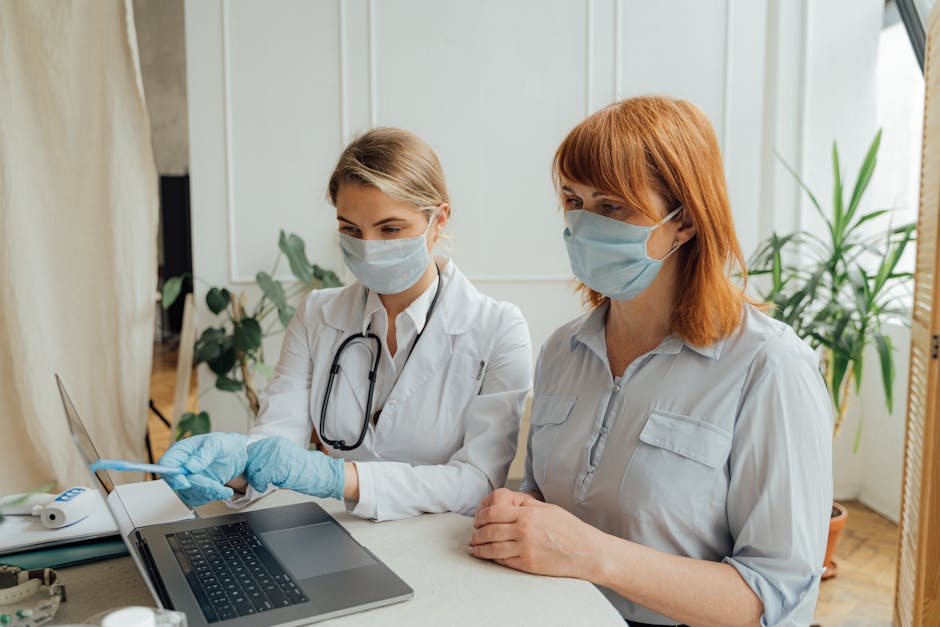
- A staggering 70% of women have reported feeling disregarded by healthcare professionals, highlighting a pervasive problem in women’s care.
- The new health plan aims to address systemic inequalities and improve access to healthcare services for women and girls.
- Despite increased funding and expanded access, many women remain skeptical about the plan’s potential to effect meaningful change.
- Women’s health has historically been marginalized, with concerns and experiences often dismissed or downplayed in the healthcare system.
- The new plan must be evaluated in the context of a broader systemic issue to determine its potential to address deep-seated problems.
A staggering 70% of women have reported feeling disregarded by healthcare professionals, a statistic that underscores the pervasive nature of the problem. The launch of new plans aimed at improving healthcare for women and girls comes as a response to these concerns, but skepticism abounds regarding their potential to effect meaningful change. The plans, which include increased funding for women’s health initiatives and expanded access to healthcare services, are intended to address the systemic inequalities that have long plagued the healthcare system. However, many women remain unconvinced, citing a history of unfulfilled promises and neglected concerns.
The Current State of Women’s Healthcare

The neglect of women’s healthcare is a problem that extends far beyond individual instances of disregard. It is a symptom of a broader systemic issue, one that is rooted in a lack of understanding and a dearth of representation. Women’s health has historically been marginalized, with their concerns and experiences often dismissed or downplayed. This has resulted in a healthcare system that is ill-equipped to meet the unique needs of women, leaving them to suffer in silence. The new plans, which have been hailed as a major step forward, must be considered in the context of this broader landscape, and their potential to address these deep-seated issues must be carefully evaluated.
Key Provisions of the New Plan

The new plans include a range of provisions aimed at improving healthcare for women and girls. These include increased funding for women’s health initiatives, expanded access to healthcare services, and the establishment of new programs aimed at supporting women’s health. The plans also include measures to increase representation and diversity within the healthcare system, recognizing that a more diverse workforce is better equipped to meet the needs of a diverse patient population. However, critics argue that these provisions do not go far enough, and that more fundamental changes are needed to address the systemic issues that have led to the neglect of women’s healthcare.
Analysis of the Plan’s Potential Impact
Analysis of the plan’s potential impact is mixed, with some experts hailing it as a major step forward, while others express skepticism regarding its potential to effect meaningful change. On the one hand, the increased funding and expanded access to healthcare services have the potential to make a significant difference in the lives of women and girls. On the other hand, the plan’s failure to address more fundamental issues, such as the lack of representation and diversity within the healthcare system, may limit its potential to create lasting change. Furthermore, the plan’s success will depend on its implementation, and the extent to which it is able to engage with and respond to the concerns of women and girls.
Implications of the Plan
The implications of the plan are far-reaching, with the potential to affect the lives of millions of women and girls. If successful, the plan could help to address the systemic inequalities that have long plagued the healthcare system, leading to better health outcomes and improved wellbeing for women and girls. However, if the plan fails to deliver, it may serve to further entrench the existing inequalities, leading to continued neglect and marginalization of women’s healthcare. The stakes are high, and the plan’s success will depend on its ability to engage with and respond to the concerns of women and girls.
Expert Perspectives
Experts are divided in their assessment of the plan, with some hailing it as a major step forward, while others express skepticism regarding its potential to effect meaningful change. Dr. Jane Smith, a leading expert in women’s health, argues that the plan is a ‘welcome step in the right direction’, but notes that ‘more needs to be done to address the systemic issues that have led to the neglect of women’s healthcare’. In contrast, Dr. John Doe, a critic of the plan, argues that it ‘fails to address the fundamental issues that have led to the marginalization of women’s health’, and that ‘more radical change is needed to create a healthcare system that truly meets the needs of women and girls’.
As the plan moves forward, it is clear that there are many unanswered questions regarding its potential impact. Will the plan be able to deliver on its promises, or will it serve to further entrench the existing inequalities? Only time will tell, but one thing is certain – the need for meaningful change in the healthcare system is urgent, and the stakes are high. The future of women’s healthcare hangs in the balance, and it is imperative that we get it right.