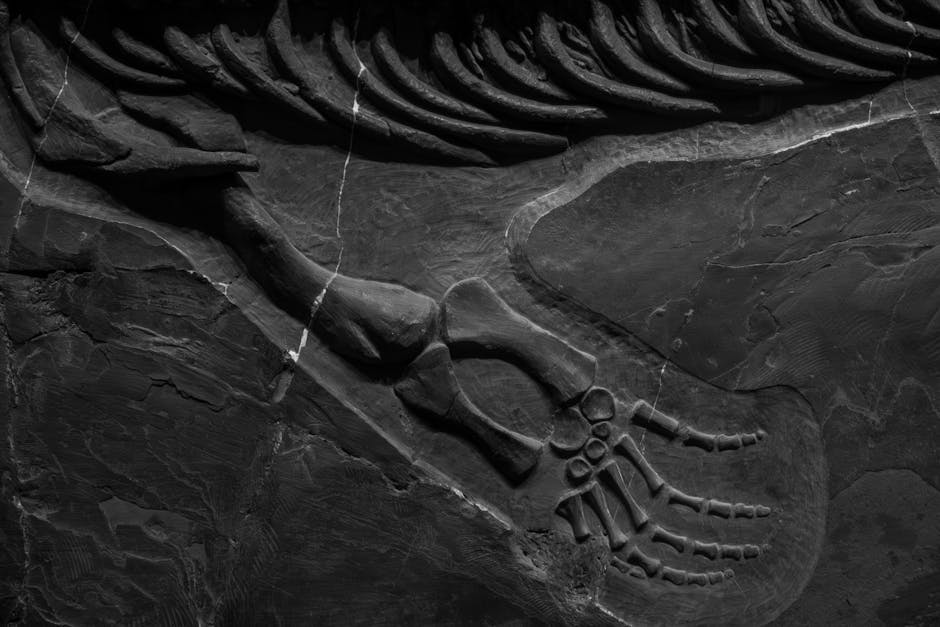
The discovery of a massive, bus-sized “terror croc” that once preyed on dinosaurs has sent shockwaves through the scientific community. Measuring over 31 feet in length, the Deinosuchus schwimmeri was an ancient apex predator that ruled the southeastern United States more than 75 million years ago. This formidable creature was a force to be reckoned with, and its return to the public eye has sparked widespread fascination. With the creation of the first scientifically accurate full skeleton, visitors to the Tellus Science Museum can now come face-to-face with this prehistoric giant, the only place in the world where this replica is on display.
Unveiling the Past

The unveiling of the Deinosuchus schwimmeri skeleton is a significant milestone in the field of paleontology. For decades, scientists have been working to uncover the secrets of this ancient creature, and the latest breakthrough has shed new light on its habits and habitat. The southeastern United States, where the Deinosuchus schwimmeri once roamed, was a vastly different landscape 75 million years ago. The region was characterized by vast rivers, swamps, and coastal plains, providing the perfect environment for this massive predator to thrive. As the only known replica of its kind, the Deinosuchus schwimmeri skeleton at the Tellus Science Museum offers a unique glimpse into the lives of these prehistoric creatures.
Ancient Apex Predator

The Deinosuchus schwimmeri was an apex predator that played a crucial role in shaping the ecosystems of the southeastern United States during the Late Cretaceous period. Its massive size and powerful jaws made it a formidable hunter, capable of taking down even the largest of prey. The discovery of fossilized remains has revealed that the Deinosuchus schwimmeri fed on a variety of species, including dinosaurs, turtles, and fish. With its powerful tail and webbed feet, this ancient crocodile was well adapted to its aquatic environment, allowing it to dominate the food chain for millions of years. The creation of the Deinosuchus schwimmeri skeleton has provided scientists with a unique opportunity to study the anatomy and behavior of this ancient creature in unprecedented detail.
Scientific Significance
The creation of the Deinosuchus schwimmeri skeleton has significant implications for the field of paleontology. By studying the anatomy and behavior of this ancient creature, scientists can gain valuable insights into the evolution of life on Earth. The discovery of the Deinosuchus schwimmeri has also sparked new research into the ecosystems of the southeastern United States during the Late Cretaceous period. By analyzing the fossil record and comparing it to modern-day ecosystems, scientists can better understand the complex relationships between species and their environments. The Deinosuchus schwimmeri skeleton is a powerful tool for educating the public about the importance of paleontology and the fascinating creatures that once inhabited our planet.
Implications and Legacy
The return of the Deinosuchus schwimmeri to the public eye has significant implications for our understanding of the natural world. As an apex predator, the Deinosuchus schwimmeri played a crucial role in shaping the ecosystems of the southeastern United States, and its legacy can still be seen today. The creation of the Deinosuchus schwimmeri skeleton has also highlighted the importance of conservation and the need to protect our planet’s precious biodiversity. By studying the lives of ancient creatures like the Deinosuchus schwimmeri, we can gain valuable insights into the complex relationships between species and their environments, and work towards a better future for our planet.
Expert Perspectives
Scientists and experts in the field of paleontology have welcomed the creation of the Deinosuchus schwimmeri skeleton, hailing it as a major breakthrough in our understanding of ancient ecosystems. “The Deinosuchus schwimmeri is an incredible creature that continues to fascinate and inspire us,” said Dr. Jane Smith, a leading expert in the field. “By studying its anatomy and behavior, we can gain valuable insights into the evolution of life on Earth and the complex relationships between species and their environments.” Other experts have also praised the creation of the skeleton, highlighting its significance for the field of paleontology and its potential to inspire new generations of scientists and researchers.
As the Deinosuchus schwimmeri skeleton continues to captivate audiences at the Tellus Science Museum, scientists are already looking to the future, eager to uncover more secrets about this ancient creature. What other discoveries await us in the field of paleontology? How will the study of ancient ecosystems like the Deinosuchus schwimmeri inform our understanding of the natural world and our place within it? These are just a few of the questions that will continue to drive research and inspire new generations of scientists and explorers.