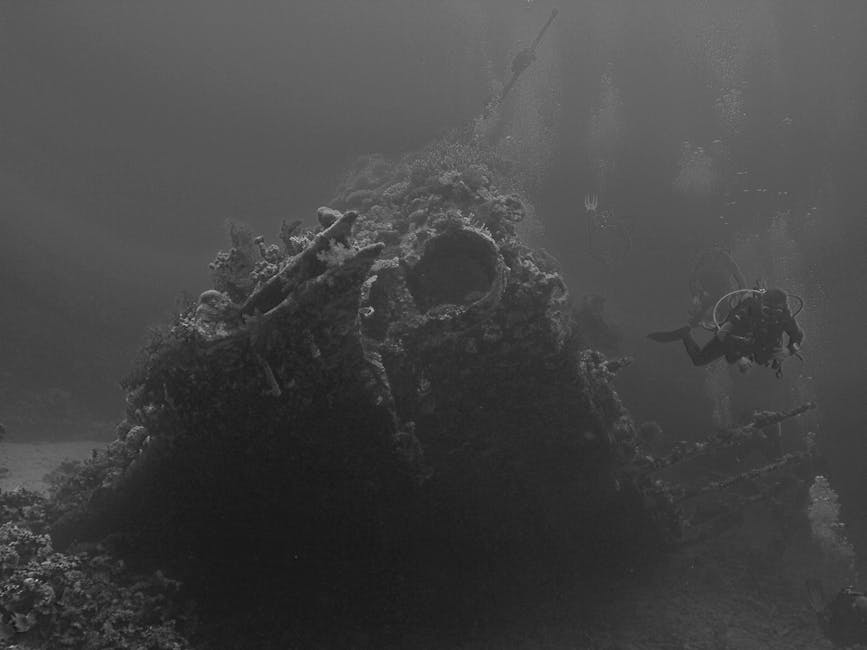
- The Bay of Gibraltar holds a record 30 ancient shipwrecks, dating back to the 5th century BC, providing a unique glimpse into the region’s rich history.
- The discovery of these shipwrecks highlights the strategic importance of the Bay of Gibraltar as a maritime hub, connecting Europe and Africa.
- The shipwrecks found in the Bay of Gibraltar belong to various cultures, including the Phoenicians, Romans, British, and Spanish, showcasing the region’s diverse history.
- The sheer scale of the find has sent shockwaves through the archaeological community, offering a treasure trove of insights into human endeavor and tragedy.
- Each shipwreck discovered in the Bay of Gibraltar tells a unique story of human ingenuity, trade, and cultural exchange throughout history.
The Bay of Gibraltar, a tranquil stretch of water nestled between the southern port of Algeciras and the iconic Rock of Gibraltar, holds a secret that has lain undisturbed for millennia. Researchers have identified an astonishing array of ancient shipwrecks, with some dating as far back as the fifth century BC, at the bottom of the sea. This remarkable discovery has sent shockwaves through the archaeological community, offering a fascinating glimpse into the region’s rich and diverse history. The sheer scale of the find, with over 30 wrecks documented, is a testament to the importance of the Bay of Gibraltar as a maritime hub, where vessels from Europe and beyond came to trade, seek refuge, or meet their demise.
Unveiling the Past

The Bay of Gibraltar has long been recognized as a strategic location, with the narrow strait that separates Europe from Africa creating a natural bottleneck for maritime traffic. As a result, the area has been a magnet for traders, explorers, and conquerors throughout history. The discovery of these ancient shipwrecks is a poignant reminder of the region’s enduring significance, with each wreck telling a unique story of human endeavor, ingenuity, and sometimes, tragedy. From the Phoenicians to the Romans, and later, the British and Spanish, the Bay of Gibraltar has played host to a diverse array of cultures, each leaving their mark on the region’s history.
Shipwrecks of the Ages

The shipwrecks discovered in the Bay of Gibraltar are a testament to the region’s complex and often tumultuous past. The wrecks, which include Phoenician and Roman vessels, as well as British, Spanish, and other European ships, span an impressive range of historical periods. The earliest wrecks date back to the fifth century BC, a time when the Phoenicians were establishing trade routes across the Mediterranean. Other wrecks, such as those from the Roman era, highlight the region’s importance as a hub for maritime commerce and cultural exchange. The more recent wrecks, including those from the Second World War, serve as a reminder of the region’s strategic significance in modern times.
Unraveling the Mysteries
As researchers continue to study the shipwrecks, they are gaining a deeper understanding of the historical context in which they sank. The analysis of the wrecks and their contents is providing valuable insights into the lives of the people who built, sailed, and traded on these vessels. The discovery of artifacts such as coins, ceramics, and other cargo is helping to shed light on the economic and cultural exchanges that took place in the region. Furthermore, the study of the wrecks themselves is revealing details about shipbuilding techniques, navigation, and the challenges faced by mariners in the past. By examining the causes and effects of these shipwrecks, researchers can gain a more nuanced understanding of the complex factors that have shaped the region’s history.
Implications and Significance
The discovery of these ancient shipwrecks in the Bay of Gibraltar has significant implications for our understanding of the region’s history and cultural heritage. The wrecks serve as a tangible connection to the past, offering a unique window into the lives of people who lived and worked in the area. The findings also highlight the importance of preserving our cultural heritage, both on land and under the sea. As the world becomes increasingly interconnected, the study of these shipwrecks can help to promote cross-cultural understanding and appreciation, while also informing strategies for the conservation and management of our shared cultural resources.
Expert Perspectives
Experts in the field of archaeology and maritime history are hailing the discovery of the shipwrecks in the Bay of Gibraltar as a major breakthrough. According to Dr. Maria Rodriguez, a leading authority on ancient shipwrecks, ‘The discovery of these wrecks is a game-changer for our understanding of the region’s history. It’s a testament to the power of interdisciplinary research and collaboration.’ Dr. John Taylor, a historian specializing in the Mediterranean region, adds, ‘The shipwrecks in the Bay of Gibraltar offer a unique insight into the complex cultural and economic exchanges that have shaped the region over time.’
As researchers continue to study the shipwrecks and their contents, they are likely to uncover even more secrets about the region’s past. The discovery of these ancient vessels is a reminder that there is still much to be learned from the sea, and that the study of maritime history can continue to reveal new and exciting insights into the human experience. As we look to the future, it will be fascinating to see how this discovery informs our understanding of the past and shapes our appreciation of the cultural heritage that surrounds us.