- 70% of car buyers are now considering electric vehicles, up from last year due to soaring gas prices.
- Improved technology in EVs has led to longer ranges and faster charging times, making them more practical.
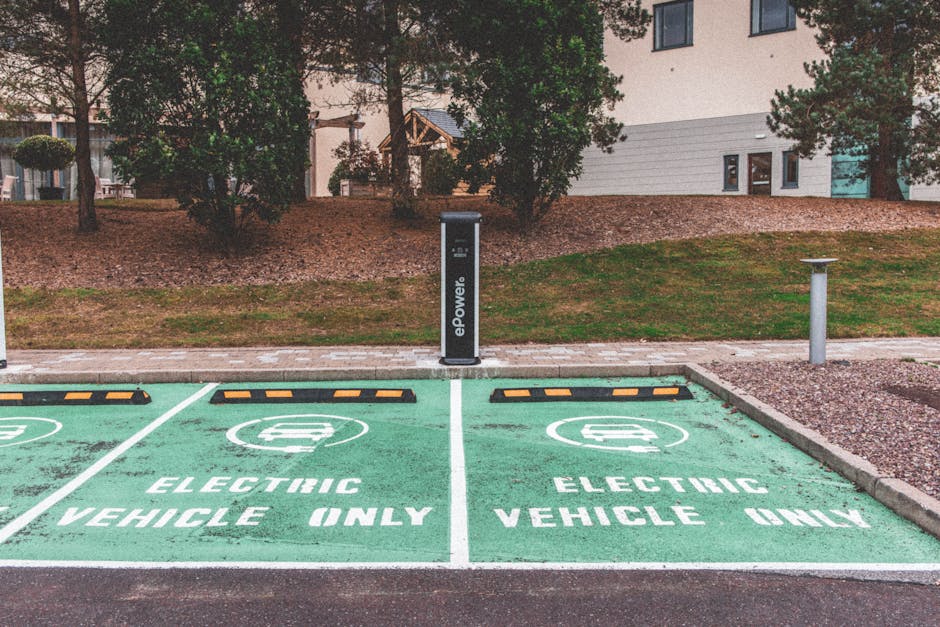
- Governments are encouraging EV adoption through tax incentives and investments in charging infrastructure.
- Major manufacturers are now offering electric models, increasing the variety of options available to consumers.
- The Tesla Model 3 and Chevrolet Bolt are among the top choices for buyers looking for electric cars.
As gas prices continue to soar, with the national average reaching unprecedented heights, many auto shoppers are turning their attention to electric cars. In fact, a recent survey found that over 70% of car buyers are now considering an electric vehicle as their next purchase, a significant increase from just a year ago. With the war in Iran disrupting global oil supplies and pushing prices higher, it’s no wonder that consumers are looking for alternatives. And with many strong electric models on the market, there’s never been a better time to make the switch.
The Rise of Electric Vehicles

The past few years have seen a significant shift in the automotive industry, with electric vehicles (EVs) becoming increasingly popular. This is due in part to improving technology, which has led to longer ranges and faster charging times, making EVs a more practical option for many drivers. Additionally, governments around the world have implemented policies to encourage the adoption of electric vehicles, such as tax incentives and investments in charging infrastructure. As a result, many major manufacturers are now offering electric models, and the selection has never been greater.
Key Models to Consider

For those in the market for an electric car, there are many strong models to consider. The Tesla Model 3 is a popular option, known for its range and features. The Chevrolet Bolt is another top choice, offering an impressive range and affordable price point. Other notable models include the Nissan Leaf, the Hyundai Kona Electric, and the Audi e-tron. And for those on a budget, there are many used electric cars available, with prices starting at under $10,000. Whether you’re looking for a compact city car or a luxury sedan, there’s an electric model to suit your needs.
Market Analysis
So what’s driving the growth of the electric car market? One major factor is the increasing concern about climate change and the role that transportation plays in greenhouse gas emissions. As governments implement stricter emissions regulations, manufacturers are responding by investing in electric technology. Additionally, the falling cost of batteries has made electric vehicles more competitive with their gas-powered counterparts. And with the current disruption to global oil supplies, many consumers are looking for ways to reduce their reliance on fossil fuels. As a result, the electric car market is expected to continue to grow, with many analysts predicting that EVs will reach price parity with gas-powered cars within the next few years.
Implications for Consumers
The rise of electric cars has significant implications for consumers. For one, it offers a way to save money on fuel costs, as electricity is generally cheaper than gasoline. Additionally, electric vehicles require less maintenance than traditional cars, with fewer moving parts and no oil changes needed. And with the growing selection of models available, consumers have more choices than ever before. However, there are also some challenges to consider, such as the limited range of some models and the need for charging infrastructure. As the market continues to evolve, it’s likely that these issues will be addressed, making electric cars an even more attractive option for consumers.
Expert Perspectives
Experts in the field have differing opinions on the future of electric cars. Some, like Tesla CEO Elon Musk, predict that EVs will become the dominant form of transportation within the next decade. Others, like some industry analysts, are more cautious, citing the need for further investment in charging infrastructure and the potential for disruptions to the global supply chain. However, most agree that electric cars are here to stay, and that they will play an increasingly important role in the automotive market in the years to come.
Looking ahead, it will be interesting to see how the electric car market continues to evolve. Will we see further innovations in technology, such as improved battery range and faster charging times? How will governments respond to the growing demand for electric vehicles, and what incentives will they offer to encourage adoption? And what will be the impact on the traditional automotive industry, as electric cars become an increasingly popular option? These are just a few of the questions that will be worth watching in the months and years to come.