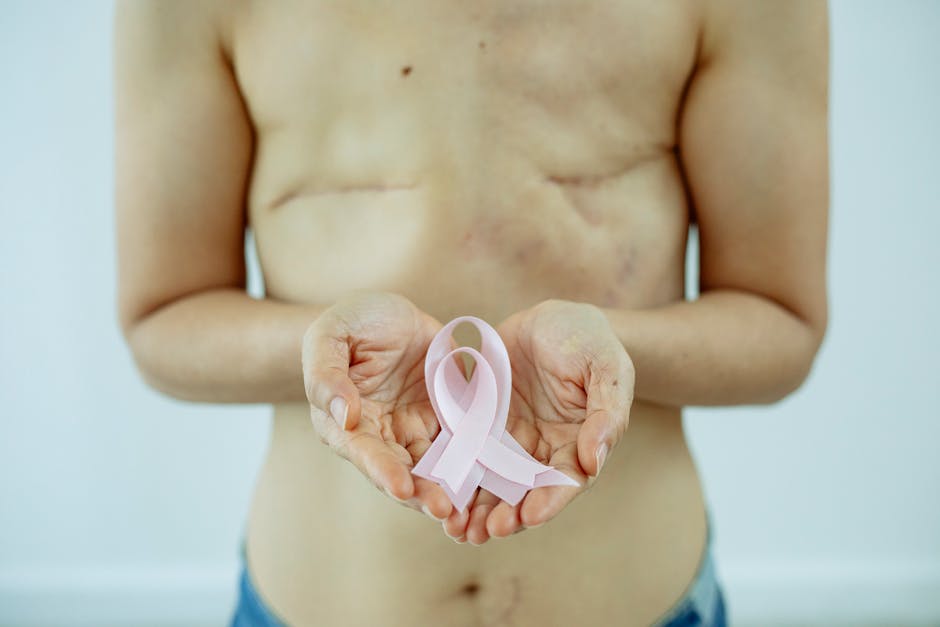
- The COVID-19 pandemic led to a significant backlog in breast reconstruction surgeries, leaving thousands of women waiting for procedures.
- Over 10,000 women are still waiting for breast reconstruction surgeries in the UK as of 2023, according to the National Health Service (NHS).
- The pandemic disrupted healthcare systems, causing non-urgent procedures like breast reconstruction to be postponed in favor of prioritizing COVID-19 patients.
- Breast cancer patients who underwent mastectomies during the pandemic were promised reconstructive surgery, but many are now facing delays and uncertainty.
- The emotional toll of delayed breast reconstruction surgeries is substantial, affecting patients, their families, and their overall quality of life.
At the height of the Covid-19 pandemic, hundreds of cancer patients underwent mastectomies without the reconstructive surgery that would normally follow. The promise was clear: they would eventually receive the reconstructive procedures to help them regain a sense of normalcy. However, for many, that promise feels increasingly distant and meaningless. Julie Ford, a 45-year-old mother from Manchester, is one such woman. Every time she lifts her arms to get dressed or hang out her washing, she is reminded of the terrifying experience of losing her right breast and lymph nodes in a bid to stop breast cancer from spreading. This was a necessary but traumatic decision, made alone and masked, at 7am on a cold April morning in 2021.
The Pandemic’s Impact on Breast Reconstruction

The pandemic disrupted healthcare systems globally, causing significant delays in non-urgent procedures, including breast reconstruction. While mastectomies were deemed essential, reconstructive surgeries were often postponed to prioritize resources for Covid-19 patients. This decision, while understandable from a public health perspective, has left many women in a limbo of physical and emotional recovery. According to the National Health Service (NHS), the backlog of reconstructive surgeries has grown exponentially, with over 10,000 women still waiting for their procedures as of 2023. The emotional toll of this delay is profound, affecting not only the patients but also their families and support networks.
Julie Ford’s Story

Julie Ford’s journey began in early 2021 when she was diagnosed with breast cancer. She underwent a mastectomy, a surgery that removed her right breast and lymph nodes, to prevent the cancer from spreading. The procedure was successful, but the promised reconstructive surgery has yet to materialize. “I feel like I’m living in a half-finished state,” she says. “Every day, I look in the mirror and see a reminder of what I’ve been through, and it’s hard to move on.” Julie is one of many women who were told their reconstructive surgery would be scheduled as soon as possible, only to find themselves on a seemingly endless waiting list. The delay has not only affected her physical well-being but has also taken a significant psychological toll.
The Causes and Effects of Delayed Reconstructive Surgery
The reasons behind the delays in breast reconstruction are multifaceted. The pandemic forced hospitals to reallocate resources, including staff, beds, and operating theaters, to manage the surge of Covid-19 patients. This shift left little room for elective procedures, including reconstructive surgeries. Additionally, the initial lockdowns and subsequent waves of the virus created a backlog that the healthcare system is still struggling to clear. The effects of these delays are far-reaching. Women like Julie experience ongoing physical discomfort and emotional distress, which can lead to depression, anxiety, and a diminished quality of life. Data from the NHS shows that the average waiting time for reconstructive surgery has increased by over 50%, with some women waiting more than two years.
The Emotional and Psychological Impact
The emotional and psychological impact of delayed breast reconstruction cannot be overstated. Many women who have undergone mastectomies describe feeling incomplete and self-conscious. For Julie, the physical changes are a constant reminder of her battle with cancer. “I just want to feel like me again,” she says. “It’s hard to feel whole when a part of you is missing.” The delay in reconstructive surgery has also affected her relationships and daily life, making it difficult to engage in activities she once enjoyed. The sense of uncertainty and frustration is shared by many women in similar situations, leading to a collective struggle for mental health and well-being.
Expert Perspectives
Healthcare professionals and advocacy groups have differing views on the current state of breast reconstruction services. Dr. Emily Carter, a breast cancer surgeon, acknowledges the challenges but emphasizes the necessity of prioritizing life-saving procedures during the pandemic. “It was a difficult decision, but we had to focus on what was most critical,” she says. In contrast, Sarah Thompson, a patient advocate, argues that the delays are unacceptable and that more could have been done to maintain a balanced approach. “These women are suffering, and we need to find a way to address their needs more effectively,” Thompson states. The debate highlights the ongoing tension between resource allocation and patient care.
As the healthcare system continues to grapple with the pandemic’s aftermath, the future for women waiting for breast reconstruction remains uncertain. What can be done to expedite these procedures and alleviate the emotional and physical burden on patients? Advocates and healthcare professionals are calling for increased funding and a more strategic approach to managing the backlog. The question remains: how long will women like Julie have to wait to feel whole again?