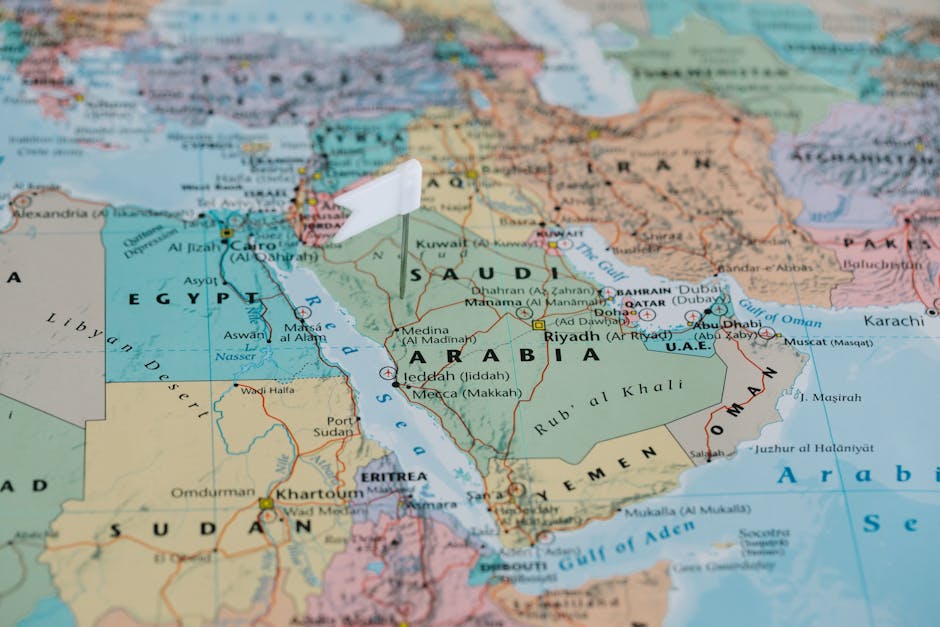
- The Strait of Hormuz is a critical waterway connecting the Persian Gulf to the Arabian Sea, through which 20% of the world’s oil passes.
- President Trump’s decision to impose a blockade on the Strait of Hormuz aims to cripple Iran’s oil exports, a crucial component of the country’s economy.
- The Strait of Hormuz is a symbol of the complex interplay between economic and geopolitical interests in the region.
- A blockade on the Strait of Hormuz could lead to potential price spikes and supply chain disruptions in global oil markets.
- The current standoff between the US and Iran is a culmination of years of escalating tension over regional stability.
The Strait of Hormuz, a slender waterway connecting the Persian Gulf to the Arabian Sea, has become the focal point of an escalating game of economic endurance between the United States and Iran. With approximately 20% of the world’s oil passing through this strategic chokepoint, the stakes are high. President Trump’s decision to impose a blockade on the Strait of Hormuz in response to heightened tensions with Iran has set the stage for a test of which side can endure more economic pain. The move is designed to cripple Iran’s oil exports, a crucial component of the country’s economy, but the Iranians are betting that President Trump’s tolerance for the political fallout will be limited.
The Strategic Importance of the Strait of Hormuz

The Strait of Hormuz is not just a critical transit point for oil; it is also a symbol of the complex interplay between economic and geopolitical interests in the region. The blockade has significant implications for global oil markets, with potential price spikes and supply chain disruptions looming on the horizon. As the world’s most important oil transit chokepoint, the Strait of Hormuz is a vulnerability that both the US and Iran are seeking to exploit. For Iran, the strait is a lifeline, providing the country with its primary source of revenue. For the US, it is an opportunity to exert pressure on a regime that it views as a threat to regional stability. The current standoff is a culmination of years of escalating tensions, with the US withdrawal from the Joint Comprehensive Plan of Action (JCPOA) in 2018 marking a significant turning point in the relationship between the two countries.
Key Players and Interests

The blockade of the Strait of Hormuz involves a complex array of players and interests. The US Navy’s Fifth Fleet, based in Bahrain, is responsible for maintaining a military presence in the region and enforcing the blockade. Iran, meanwhile, has threatened to close the strait in response to the US actions, a move that would have far-reaching consequences for global oil markets. Other countries, including China, the European Union, and India, are also affected by the blockade, as they rely heavily on oil imports from the region. The International Maritime Organization (IMO) has expressed concern over the safety of maritime traffic in the region, while the United Nations has called for calm and restraint. As the situation continues to unfold, it is clear that the blockade of the Strait of Hormuz is not just a bilateral issue between the US and Iran, but a global problem with significant economic and geopolitical implications.
Analysis and Implications
From an economic perspective, the blockade of the Strait of Hormuz has the potential to be devastating for Iran. The country’s oil exports are expected to plummet, leading to a significant decline in revenue and a potential economic crisis. The US, on the other hand, is betting that its own economy is resilient enough to withstand the potential price shocks and supply chain disruptions that may result from the blockade. However, there are also risks for the US, including the potential for Iran to retaliate against US interests in the region or to disrupt global oil markets in other ways. The situation is further complicated by the fact that the US is not unified in its approach to Iran, with some lawmakers and policymakers advocating for a more diplomatic approach. As the blockade continues, it is likely that the economic and geopolitical implications will become increasingly clear, and the world will be watching to see which side blinks first.
Humanitarian and Regional Consequences
The blockade of the Strait of Hormuz also has significant humanitarian and regional consequences. The potential for a prolonged economic crisis in Iran could have far-reaching implications for the country’s population, including food and medicine shortages. The region as a whole is also at risk, as the blockade has the potential to destabilize an already volatile area. The US and its allies must carefully consider these implications as they navigate the complex web of interests and alliances in the region. The international community has a critical role to play in mitigating the humanitarian consequences of the blockade and in promoting a peaceful resolution to the conflict. As the situation continues to unfold, it is clear that the blockade of the Strait of Hormuz is not just a test of economic endurance, but also a test of humanitarian and regional leadership.
Expert Perspectives
Experts are divided on the likely outcome of the blockade, with some arguing that the US has the upper hand and others suggesting that Iran may be able to withstand the pressure. According to Dr. Sanam Vakil, a specialist in Middle East politics at Chatham House, “The US has significant economic leverage, but Iran has a history of resilience in the face of adversity.” In contrast, Dr. Michael Singh, a senior fellow at the Washington Institute for Near East Policy, argues that “The blockade is a necessary step to counter Iran’s aggressive behavior, and the US must be prepared to see it through to its conclusion.” As the situation continues to evolve, it is clear that there are no easy answers, and the world will be watching to see how the blockade of the Strait of Hormuz plays out.
Looking ahead, the key question is what will happen next. Will the US and Iran be able to find a way out of the current impasse, or will the blockade lead to a further escalation of tensions? The answer to this question will depend on a variety of factors, including the actions of other countries in the region, the response of the international community, and the willingness of the US and Iran to negotiate. One thing is certain, however: the blockade of the Strait of Hormuz has significant implications for global oil markets, regional stability, and the future of US-Iran relations. As the world watches and waits, it is clear that the coming weeks and months will be critical in determining the outcome of this high-stakes game of economic endurance.