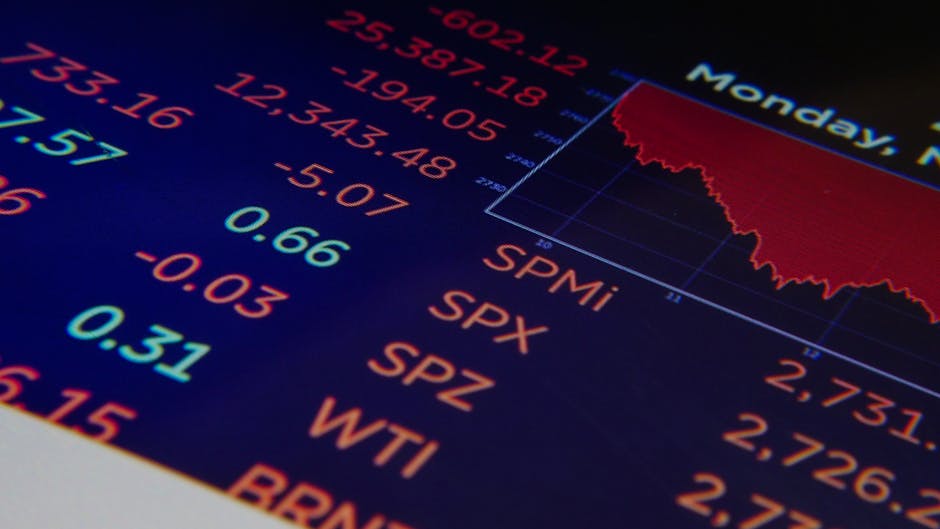
The S&P 500 has achieved a remarkable feat, recouping all its losses since the Middle East war started on February 28, in a stunning display of resilience that has left many investors and analysts alike scratching their heads. As of the latest market close, the index has not only regained its pre-war footing but has also demonstrated a notable bullish trend, with some investors embracing a “vibe shift” that seems to defy the typical market response to geopolitical turmoil. This unexpected rebound has significant implications for investors, policymakers, and the broader economy, raising important questions about the underlying drivers of this phenomenon and its potential sustainability.
War and the Market: A Complex Relationship

The relationship between war and the stock market is inherently complex and influenced by a multitude of factors, including the scope and intensity of the conflict, global economic conditions, and the responses of governments and central banks. Historically, markets have often reacted negatively to the onset of war due to the uncertainty and potential for widespread economic disruption it entails. However, the current situation appears to be bucking this trend, with the S&P 500’s rebound suggesting that investors are either becoming desensitized to geopolitical risks or are betting on a quick resolution to the conflict. This background is crucial in understanding why the market’s reaction to the current war is particularly noteworthy and why it matters now more than ever.
Key Players and Events

The key details surrounding the wartime stock rebound are closely tied to the evolving nature of the conflict and the strategic decisions made by major investors and financial institutions. As the war unfolded, initial fears of a prolonged and devastating conflict led to a sharp decline in stock prices. However, as the situation has stabilized and efforts towards a diplomatic resolution have gained traction, investor sentiment has begun to shift. The involvement of major economic powers and their commitment to maintaining global economic stability have also played a significant role in reassuring investors. Furthermore, the actions of central banks, including the Federal Reserve, in maintaining accommodative monetary policies have helped to bolster market confidence, contributing to the rebound.
Analyzing the Causes and Effects
An analysis of the causes and effects of the wartime stock rebound reveals a complex interplay of geopolitical, economic, and psychological factors. On one hand, the data suggests that investors are becoming increasingly adept at distinguishing between different types of geopolitical events, with some conflicts being viewed as more contained and thus less likely to have a lasting impact on global markets. On the other hand, the surge in stock prices could also be attributed to a broader trend of risk-on behavior among investors, fueled by low interest rates and the search for yield in a low-return environment. Expert analysis also points to the role of sentiment and narrative in driving market trends, with the “vibe shift” among investors reflecting a growing optimism about the future of the economy and corporate earnings.
Implications for Investors and the Economy
The implications of the wartime stock rebound are far-reaching, affecting not only investors but also the broader economy. For investors, the rebound presents both opportunities and challenges, as they must navigate the complexities of a market that seems to be disconnecting from geopolitical realities. The surge in stock prices could lead to increased consumer and business confidence, potentially boosting economic growth. However, it also raises concerns about the market becoming detached from fundamental valuations, setting the stage for a potential correction. Moreover, the rebound underscores the importance of diversification and the need for investors to remain vigilant and adaptable in the face of rapidly changing market conditions.
Expert Perspectives
Experts offer contrasting viewpoints on the wartime stock rebound, reflecting the complexity and uncertainty of the situation. Some view the rebound as a sign of market resilience and the ability of investors to look beyond short-term geopolitical risks, while others warn of complacency and the potential for a sharp correction if the conflict escalates. According to one expert, “The market’s reaction is a testament to its ability to price in and adjust to new information quickly, but it also highlights the risks of ignoring geopolitical factors altogether.” Another expert notes, “The current situation is unprecedented, and investors would do well to remain cautious and focused on the long-term fundamentals of the economy and corporations.
Looking forward, the key question on everyone’s mind is what to watch for next. Will the wartime stock rebound continue, or will geopolitical tensions eventually catch up with the market? The answer lies in a combination of factors, including the trajectory of the conflict, the responses of major economies, and the evolving sentiment of investors. As investors and analysts alike seek to make sense of this complex and rapidly changing landscape, one thing is clear: the interplay between geopolitics and the stock market will remain a critical area of focus, with significant implications for the global economy and investor portfolios.