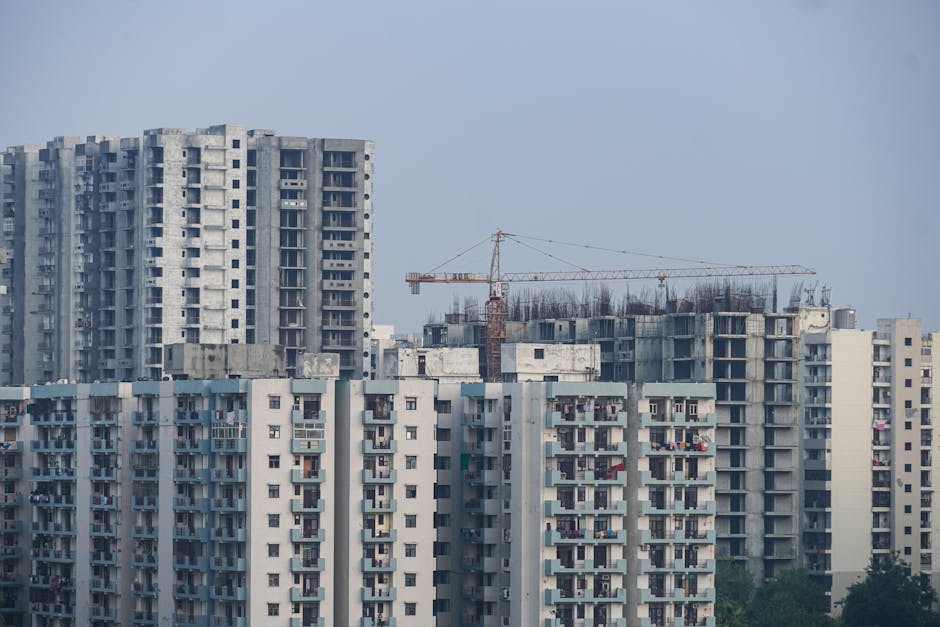
- Evergrande’s fall highlights the fragility of China’s real estate giants due to unchecked expansion and financial mismanagement.
- Hui Ka Yan’s guilty plea underscores the broader economic risks associated with the decline of China’s real estate sector.
- Evergrande’s collapse is a stark reminder of the consequences of overleveraging and cooling demand in China’s real estate market.
- The company’s debt crisis has become a microcosm of the challenges facing China’s real estate market, including overleveraged developers and declining demand.
- The fall of Evergrande Group signals a new era in China’s real estate market, with potential implications for the global economy.
Once a symbol of China’s booming real estate sector, Evergrande Group has now become a cautionary tale. The company’s founder, Hui Ka Yan, has pleaded guilty to multiple fraud charges, a move that has sent ripples through global financial markets. This development not only underscores the fragility of China’s real estate giants but also highlights the broader economic risks associated with the sector’s decline. With a stock market valuation that once exceeded $50 billion, Evergrande’s fall from grace is a stark reminder of the consequences of unchecked expansion and financial mismanagement.
The Rise and Fall of a Real Estate Giant

Evergrande Group, founded in 1996 by Hui Ka Yan, rapidly grew to become one of China’s largest and most recognizable real estate developers. The company’s aggressive expansion strategy, fueled by massive debt, saw it build luxury properties and residential complexes across the country. However, the bubble began to burst in 2021 when Evergrande’s financial troubles came to light, leading to a series of defaults and a significant drop in its stock price. The company’s debt crisis has since become a microcosm of the broader challenges facing China’s real estate market, which has been grappling with overleveraged developers and cooling demand.
Hui Ka Yan’s Guilty Plea

Hui Ka Yan’s guilty plea to fraud charges is a pivotal moment in the ongoing saga of Evergrande. The charges, which include misrepresenting the company’s financial health and misusing funds, have been building for months. This plea comes as part of a broader investigation into the company’s financial practices and is expected to have far-reaching implications for both Evergrande and the wider real estate industry. Hui, who was once one of China’s richest men, now faces potential imprisonment and significant financial penalties, which could further destabilize the already fragile market.
Causes and Consequences
The roots of Evergrande’s collapse can be traced back to its heavy reliance on debt to fund its expansion. As the Chinese government tightened regulations and credit conditions, Evergrande found itself unable to meet its financial obligations. The company’s opaque financial practices and alleged misrepresentations to investors and regulators exacerbated the situation. The consequences of this financial mismanagement have been severe, with thousands of homebuyers left in limbo and numerous suppliers and contractors owed significant sums. Economists and financial analysts warn that the ripple effects of Evergrande’s downfall could dampen consumer confidence and slow down economic growth in China.
Implications for the Real Estate Market
The guilty plea of Evergrande’s founder has far-reaching implications for the Chinese real estate market. It signals a shift in the government’s tolerance for financial irregularities and may lead to stricter oversight and regulation of the sector. For homebuyers, the news is a double-edged sword: while it may bring some closure to those affected by the company’s defaults, it also raises concerns about the stability of other major developers. The potential for a broader market downturn is a significant worry, as the real estate sector is a key driver of China’s economy, contributing to both employment and GDP growth.
Expert Perspectives
Financial experts are divided on the long-term impact of Hui Ka Yan’s guilty plea. Some argue that it could serve as a deterrent for other developers engaging in risky financial practices, ultimately leading to a more stable and sustainable real estate market. Others, however, warn that the harsh penalties and the resulting market instability could have a chilling effect on investment and development, potentially stifling economic growth. Regardless of the outcome, the case has brought the issue of corporate governance and transparency to the forefront of China’s economic agenda.
Moving forward, the key question is how the Chinese government will manage the fallout from Evergrande’s collapse. Will it provide a bailout to prevent a more significant economic crisis, or will it allow the market to correct itself? The coming months will be crucial in determining the path forward and the long-term health of China’s real estate sector. Investors and analysts will be closely watching for any signs of policy changes or market interventions that could provide clarity and stability.