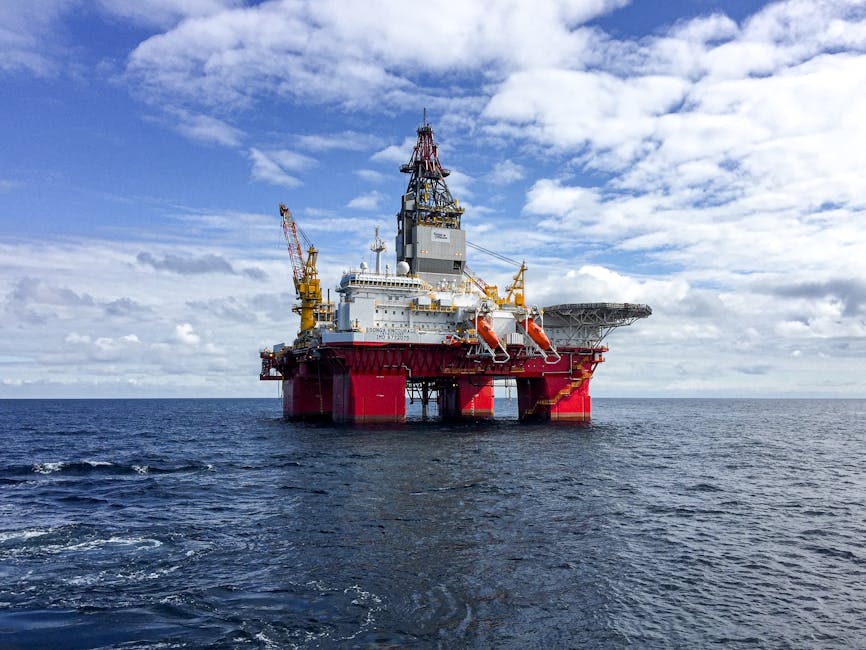
- The North Sea has seen a significant decline in drilling operations over the past decade, but soaring oil prices may revive this activity.
- Scotland’s First Minister, John Swinney, has shifted his stance on North Sea drilling to prioritize energy security and a reliable energy supply.
- The decision may have far-reaching implications for the region’s economy and environment, requiring a balanced approach to energy production.
- Energy security is now the primary concern, reflecting a growing recognition that the transition to renewable energy sources must be carefully managed.
- The Scottish government’s nuanced perspective acknowledges the need for a balanced approach to navigating the complexities of the energy sector.
The North Sea, once a hub of intense oil and gas activity, has seen a significant decline in drilling operations over the past decade. However, with oil prices soaring to unprecedented heights, Scotland’s First Minister, John Swinney, has announced a softened stance on North Sea drilling. This shift in policy prioritizes energy security, acknowledging the need for a reliable and consistent energy supply. As the global energy landscape continues to evolve, Swinney’s decision may have far-reaching implications for the region’s economy and environment. The move is seen as a pragmatic response to the current energy crisis, with oil prices reaching record levels and showing no signs of abating.
Reevaluating Energy Priorities

The First Minister’s change of heart on North Sea drilling is a timely acknowledgment of the complex interplay between energy security, economic stability, and environmental concerns. As the world grapples with the challenges of climate change, the need for a balanced approach to energy production has become increasingly evident. Swinney’s emphasis on energy security as a primary concern reflects a growing recognition that the transition to renewable energy sources must be carefully managed to avoid compromising the reliability of the energy supply. This nuanced perspective underscores the Scottish government’s commitment to navigating the intricacies of the energy sector, where competing priorities often necessitate difficult trade-offs.
Drilling Down to the Details

The specifics of Swinney’s revised policy on North Sea drilling are still emerging, but it is clear that the decision will have significant implications for the oil and gas industry. The North Sea, which has been a major source of oil and gas for decades, is expected to see an increase in drilling activity as companies seek to capitalize on the current price surge. While this may provide a much-needed boost to the local economy, it also raises concerns about the environmental impact of increased drilling operations. As the industry moves forward, it will be essential to strike a balance between economic imperatives and environmental responsibilities, ensuring that the extraction of oil and gas is conducted in a responsible and sustainable manner.
Analyzing the Consequences
The decision to soften the stance on North Sea drilling will likely have far-reaching consequences, both positive and negative. On the one hand, increased drilling activity is expected to generate significant revenue for the Scottish economy, creating jobs and stimulating local economic growth. On the other hand, the environmental implications of expanded drilling operations cannot be ignored, with potential risks to marine ecosystems and the potential for increased greenhouse gas emissions. As the situation continues to unfold, it will be crucial to carefully monitor the effects of the policy shift, ensuring that the benefits of increased energy production are not outweighed by the costs to the environment. By taking a data-driven approach to policy-making, the Scottish government can work to mitigate the negative consequences of increased drilling while maximizing the economic benefits.
Implications and Concerns
The repercussions of Swinney’s decision will be felt across various sectors, from the oil and gas industry to local communities and environmental groups. As the North Sea drilling activities increase, concerns about the potential environmental impact will likely escalate, with many calling for greater transparency and accountability from the industry. Meanwhile, the economic benefits of the policy shift will be closely watched, as the Scottish government seeks to balance the need for energy security with the imperative to protect the environment. As the situation continues to evolve, it will be essential to engage in open and informed dialogue, acknowledging the complexities of the issue and working towards a solution that balances competing priorities.
Expert Perspectives
Experts in the field offer contrasting viewpoints on the revised policy, with some hailing it as a necessary step towards energy security and others expressing concerns about the environmental implications. According to Dr. Maria Rodriguez, a leading energy expert, “The decision to soften the stance on North Sea drilling reflects a pragmatic recognition of the need for a reliable energy supply, but it is crucial that we do not compromise our environmental commitments in the process.” In contrast, Dr. John Taylor, an environmental scientist, argues that “the increased drilling activity will inevitably lead to significant environmental degradation, and we must carefully consider the long-term consequences of this policy shift.”
As the debate continues, one thing is clear: the future of North Sea drilling will be shaped by a complex interplay of economic, environmental, and political factors. As the situation unfolds, it will be essential to remain vigilant, monitoring the effects of the policy shift and working towards a solution that balances competing priorities. The open question remains: can the Scottish government successfully navigate the challenges of energy security, economic stability, and environmental protection, or will the consequences of increased drilling activity ultimately outweigh the benefits?