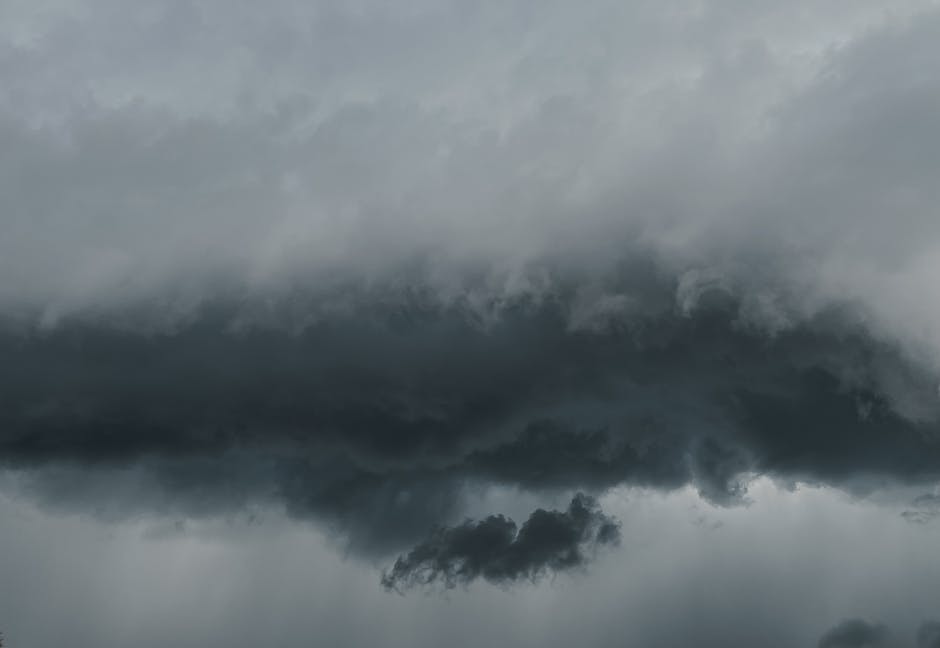
- Super Typhoon Sinlaku is a major concern due to its extreme strength and potential landfall in the Northern Mariana Islands and Guam.
- The storm is expected to bring heavy rainfall, powerful winds, and storm surges, posing a significant threat to the region.
- The Pacific Islands are vulnerable to tropical cyclones due to climate change, which has led to an increase in intense storms.
- The unique geography of the islands, with low-lying areas and coastal communities, makes them particularly susceptible to typhoon damage.
- Emergency services and disaster management teams are working to prepare for the worst, evacuating residents and distributing essential supplies.
As the Pacific Ocean continues to witness an increase in intense tropical cyclones, Super Typhoon Sinlaku is the latest storm to make headlines, bearing down on the Northern Mariana Islands and Guam with sustained winds of up to 120mph. The slow-moving typhoon, which has been categorized as a super typhoon due to its extreme strength, is expected to bring dangerous conditions to the region, including heavy rainfall, powerful winds, and storm surges. With the storm’s projected path indicating a potential landfall in the coming days, residents of the affected areas are bracing themselves for the worst, highlighting the need for urgent action and preparedness to mitigate the impact of such natural disasters.
Background and Current Situation

The formation of Super Typhoon Sinlaku is a stark reminder of the vulnerability of the Pacific Islands to tropical cyclones, which have been intensifying in recent years due to climate change. The region’s unique geography, with its low-lying islands and coastal communities, makes it particularly susceptible to the devastating effects of typhoons, including flooding, landslides, and storm surges. As the storm season peaks, the Northern Mariana Islands and Guam are on high alert, with emergency services and disaster management teams working tirelessly to prepare for the worst, evacuating residents from low-lying areas and distributing essential supplies to those in need.
Key Details of the Storm

According to the latest updates from the Joint Typhoon Warning Center, Super Typhoon Sinlaku is currently located approximately 200 miles southeast of Guam, moving northwest at a speed of 10mph. The storm’s maximum sustained winds have decreased slightly to 120mph, but it is still expected to bring hazardous conditions to the region, including heavy rainfall totals of up to 10 inches and storm surges of up to 10 feet. The National Weather Service has issued a typhoon warning for the Northern Mariana Islands and a tropical storm watch for Guam, emphasizing the need for residents to take immediate action to protect themselves and their properties.
Analysis and Projections
Experts analyzing the storm’s trajectory and intensity predict that Super Typhoon Sinlaku will continue to weaken as it approaches the Northern Mariana Islands and Guam, but its impact will still be significant. The storm’s slow movement is expected to exacerbate the effects of heavy rainfall and powerful winds, leading to widespread flooding and damage to infrastructure. Furthermore, the storm surge is predicted to cause significant coastal erosion and inundation, particularly in low-lying areas, emphasizing the need for evacuation and relocation of residents to higher ground. As the region prepares for the storm’s arrival, emergency services are working to ensure that all necessary measures are in place to respond to the disaster and provide aid to those affected.
Implications and Potential Impact
The potential impact of Super Typhoon Sinlaku on the Northern Mariana Islands and Guam cannot be overstated, with thousands of residents at risk of displacement, injury, or even loss of life. The storm’s effects will also be felt in the region’s economy, with significant damage to infrastructure, agriculture, and tourism expected. As the storm approaches, the international community is urged to provide support and assistance to the affected regions, including humanitarian aid, emergency funding, and technical expertise to help mitigate the disaster and support the recovery efforts.
Expert Perspectives
Experts in the field of meteorology and disaster management are weighing in on the situation, offering contrasting viewpoints on the storm’s potential impact and the effectiveness of current disaster preparedness measures. While some experts praise the efforts of emergency services and disaster management teams in preparing for the storm, others emphasize the need for more robust and sustainable infrastructure to mitigate the effects of such natural disasters. As the situation continues to unfold, it is clear that a coordinated and multi-faceted approach will be necessary to respond to the disaster and support the affected communities.
As the region looks to the future, one question remains: what can be done to prevent or mitigate the impact of such intense tropical cyclones in the Pacific? As experts and policymakers consider this question, it is clear that a long-term strategy will be necessary, one that takes into account the complex interplay of climate change, geography, and human activity. For now, the focus remains on responding to the immediate crisis posed by Super Typhoon Sinlaku, and providing support and assistance to those affected by the storm.