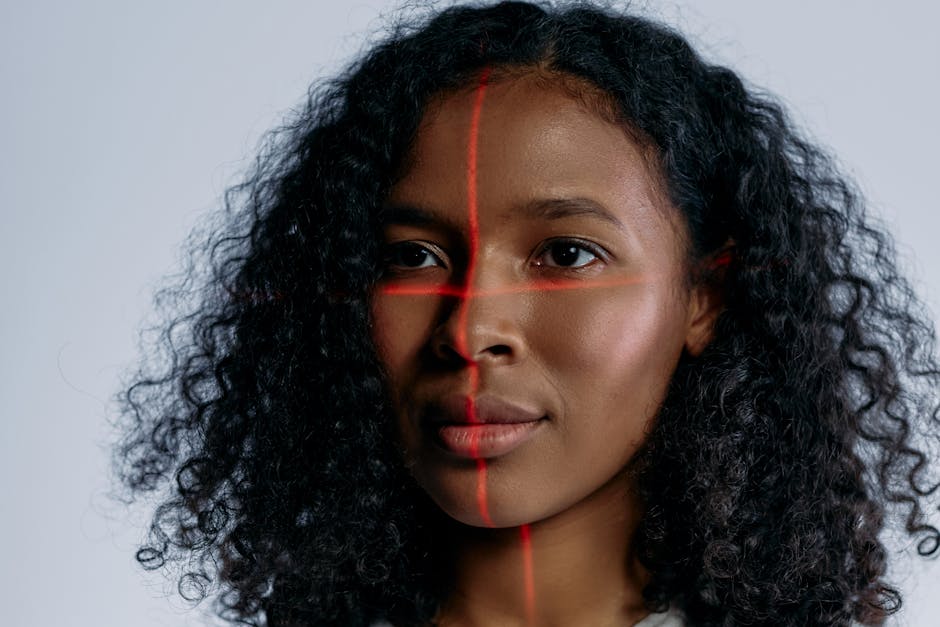
- 75 organizations are warning Meta about the planned facial recognition feature in smart glasses due to serious privacy concerns.
- The use of facial recognition technology in smart glasses raises questions about the balance between innovation and individual rights.
- Companies like Meta are under scrutiny for prioritizing profits over people’s rights with facial recognition technology.
- The global debate over facial recognition technology and its impact on society has reached a boiling point.
- The planned facial recognition feature in Meta’s smart glasses may lead to a dystopian future with widespread surveillance.
A striking fact has emerged in the world of technology: 75 organizations have come together to warn Meta over its planned facial recognition feature in smart glasses, citing a serious threat to privacy. This development has sparked a global debate over the use of facial recognition technology and its potential impact on society. As the world becomes increasingly reliant on smart devices, the concern over privacy and surveillance has grown exponentially, with many experts warning of a potential dystopian future. The use of facial recognition technology in smart glasses has raised questions about the balance between innovation and individual rights, and whether companies like Meta are prioritizing profits over people.
The Rise of Facial Recognition Technology

The use of facial recognition technology has become increasingly prevalent in recent years, with many companies incorporating it into their products and services. However, this technology has also raised concerns over privacy and surveillance, with many experts warning of its potential misuse. The planned facial recognition feature in Meta’s smart glasses has brought this issue to the forefront, with many organizations and individuals speaking out against it. The concern is that this technology could be used to track and monitor individuals without their consent, potentially infringing on their right to privacy. As the use of facial recognition technology continues to grow, it is essential to consider the potential implications and ensure that it is used in a responsible and ethical manner.
Key Details of the Controversy

The controversy surrounding Meta’s planned facial recognition feature in smart glasses has been sparked by a warning issued by 75 organizations, including privacy and civil liberties groups. These organizations have expressed concern over the potential misuse of this technology, citing the risk of mass surveillance and the erosion of individual privacy. The warning has also highlighted the lack of transparency and accountability in the development and deployment of facial recognition technology, with many companies failing to provide clear guidelines on how this technology will be used. As the debate over facial recognition technology continues to grow, it is essential to consider the key details of this controversy and the potential implications for society.
Analysis of the Issue
The issue of facial recognition technology in smart glasses is complex and multifaceted, with many different factors at play. One of the primary concerns is the potential for mass surveillance, with facial recognition technology allowing companies and governments to track and monitor individuals without their consent. This has raised questions about the balance between national security and individual privacy, with many experts warning that the use of facial recognition technology could have a chilling effect on free speech and expression. Furthermore, the use of facial recognition technology has also raised concerns over bias and discrimination, with many algorithms exhibiting racial and gender biases. As the use of facial recognition technology continues to grow, it is essential to consider these factors and ensure that this technology is used in a responsible and ethical manner.
Implications of the Technology
The implications of facial recognition technology in smart glasses are far-reaching and potentially profound. If this technology is allowed to be developed and deployed without proper oversight and regulation, it could have a significant impact on individual privacy and autonomy. The potential for mass surveillance and the erosion of individual rights could have a chilling effect on free speech and expression, with many individuals becoming hesitant to express themselves freely. Furthermore, the use of facial recognition technology could also have a disproportionate impact on marginalized communities, who may already be subject to discrimination and bias. As the debate over facial recognition technology continues to grow, it is essential to consider these implications and ensure that this technology is used in a responsible and ethical manner.
Expert Perspectives
Experts have weighed in on the controversy surrounding facial recognition technology in smart glasses, with many expressing concern over the potential implications. Some have argued that this technology has the potential to be used for good, such as in the prevention of crime and the protection of national security. However, others have warned of the potential risks and consequences, citing the potential for mass surveillance and the erosion of individual privacy. As the debate over facial recognition technology continues to grow, it is essential to consider these expert perspectives and ensure that this technology is used in a responsible and ethical manner.
As the world continues to grapple with the implications of facial recognition technology, one question remains: what does the future hold for this technology? Will it be used to enhance individual privacy and autonomy, or will it be used to erode these rights? The answer to this question will depend on the actions of companies like Meta, as well as governments and regulatory bodies. As the debate over facial recognition technology continues to grow, it is essential to consider the potential implications and ensure that this technology is used in a responsible and ethical manner. The future of individual privacy and autonomy may depend on it.