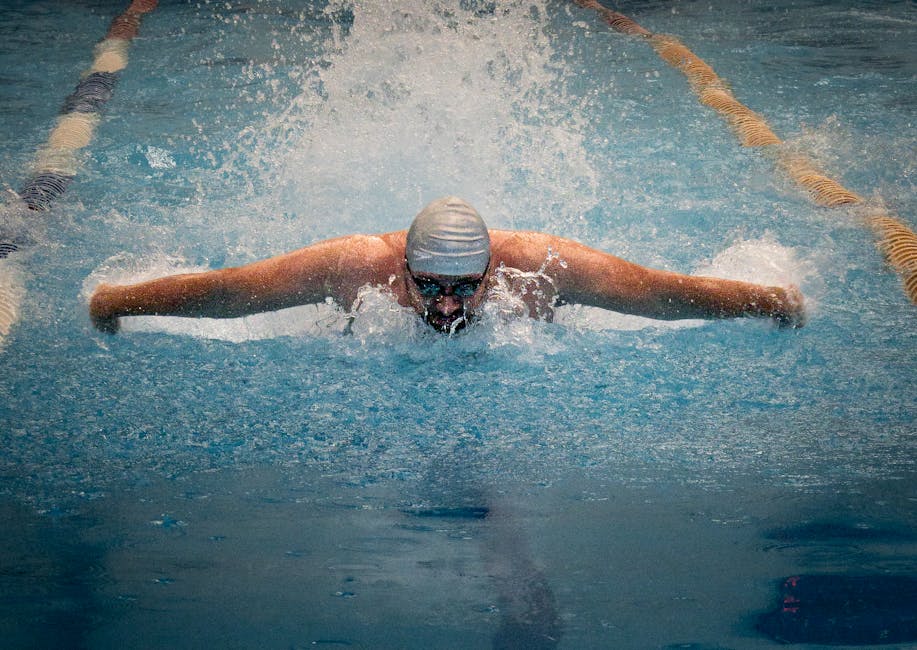
- The international governing body for swimming has lifted restrictions on Russian and Belarusian athletes, allowing them to compete under their national flags.
- The decision marks a significant shift in policy towards athletes from the two countries, who have faced intense scrutiny and penalties since the start of Ukraine conflict.
- Russian and Belarusian athletes will be allowed to compete freely in international sports competitions, sparking debate about fairness and accountability.
- The easing of restrictions on Russian and Belarusian swimmers is seen as a major development in the debate about the fairness of penalties imposed on athletes from the two countries.
- The move has far-reaching implications for international sports competitions, with many questioning the motivations behind the easing of restrictions.
In a striking reversal, the international governing body for swimming has dropped its restrictions on Russian and Belarusian athletes, allowing them to compete under their national flags and anthems once again. This move marks a significant shift in policy towards athletes from the two countries, who have faced intense scrutiny and penalties since the start of the conflict in Ukraine. The decision is expected to have far-reaching implications for international sports competitions, with many questioning the motivations behind the easing of restrictions. As the world of sports continues to grapple with the complexities of geopolitics, the fate of Russian and Belarusian athletes has become a contentious issue, with some arguing that they should be allowed to compete freely, while others believe that they should be held accountable for their country’s actions.
Background and Context

The restrictions on Russian and Belarusian athletes were initially imposed in response to the conflict in Ukraine, with many sports-governing bodies seeking to punish the two countries for their actions. However, as the conflict has dragged on, there has been growing debate about the fairness of these restrictions, with some arguing that they unfairly penalize individual athletes who have no control over their country’s actions. The easing of restrictions on Russian and Belarusian swimmers is seen as a significant development in this debate, with many wondering whether other sports-governing bodies will follow suit. As the international sports community continues to navigate the complex web of geopolitics, the decision to allow Russian and Belarusian athletes to compete under their national flags and anthems is a significant one, with far-reaching implications for the world of sports.
Key Details and Developments

The decision to drop restrictions on Russian and Belarusian swimmers was made after a thorough review of the current situation, with the international governing body for swimming citing a desire to allow athletes to compete freely, regardless of their nationality. The move has been welcomed by Russian and Belarusian athletes, who have faced significant barriers to competition in recent years. However, not everyone is happy with the decision, with some arguing that it sends the wrong message and undermines the efforts of those working to promote peace and stability in the region. As the news of the easing of restrictions spreads, there are likely to be intense discussions and debates about the implications of this decision, with many seeking to understand the motivations behind it and the potential consequences for international sports competitions.
Analysis and Implications
The easing of restrictions on Russian and Belarusian swimmers has significant implications for the world of sports, with many arguing that it sets a precedent for other sports-governing bodies to follow. The decision has been seen as a victory for those who believe that athletes should be allowed to compete freely, regardless of their nationality, and has raised hopes that other Russian and Belarusian athletes may soon be allowed to compete under their national flags and anthems once again. However, others have expressed concerns about the potential consequences of this decision, arguing that it may be seen as a sign of weakness or a lack of commitment to promoting peace and stability in the region. As the international sports community continues to grapple with the complexities of geopolitics, the decision to allow Russian and Belarusian athletes to compete under their national flags and anthems is a significant one, with far-reaching implications for the world of sports.
Implications and Consequences
The easing of restrictions on Russian and Belarusian swimmers is likely to have significant implications for athletes from the two countries, who have faced intense scrutiny and penalties in recent years. The decision is expected to pave the way for other Russian and Belarusian athletes to compete under their national flags and anthems once again, and has raised hopes that the international sports community may be moving towards a more inclusive and tolerant approach. However, the decision has also raised concerns about the potential consequences for international sports competitions, with some arguing that it may create tensions and divisions between athletes from different countries. As the news of the easing of restrictions spreads, there are likely to be intense discussions and debates about the implications of this decision, with many seeking to understand the motivations behind it and the potential consequences for the world of sports.
Expert Perspectives
Experts have offered contrasting viewpoints on the decision to ease restrictions on Russian and Belarusian swimmers, with some arguing that it is a positive step towards promoting inclusivity and tolerance in international sports competitions. Others have expressed concerns about the potential consequences of the decision, arguing that it may undermine the efforts of those working to promote peace and stability in the region. As the debate continues, it is clear that there are strongly held views on both sides, and that the decision to allow Russian and Belarusian athletes to compete under their national flags and anthems once again is a complex and contentious issue.
Looking to the future, it is unclear what the long-term consequences of the easing of restrictions on Russian and Belarusian swimmers will be. However, it is clear that the decision has significant implications for the world of sports, and that it will be closely watched by athletes, officials, and fans around the world. As the international sports community continues to navigate the complex web of geopolitics, one thing is certain: the fate of Russian and Belarusian athletes will remain a contentious issue, with many seeking to understand the motivations behind the easing of restrictions and the potential consequences for international sports competitions.