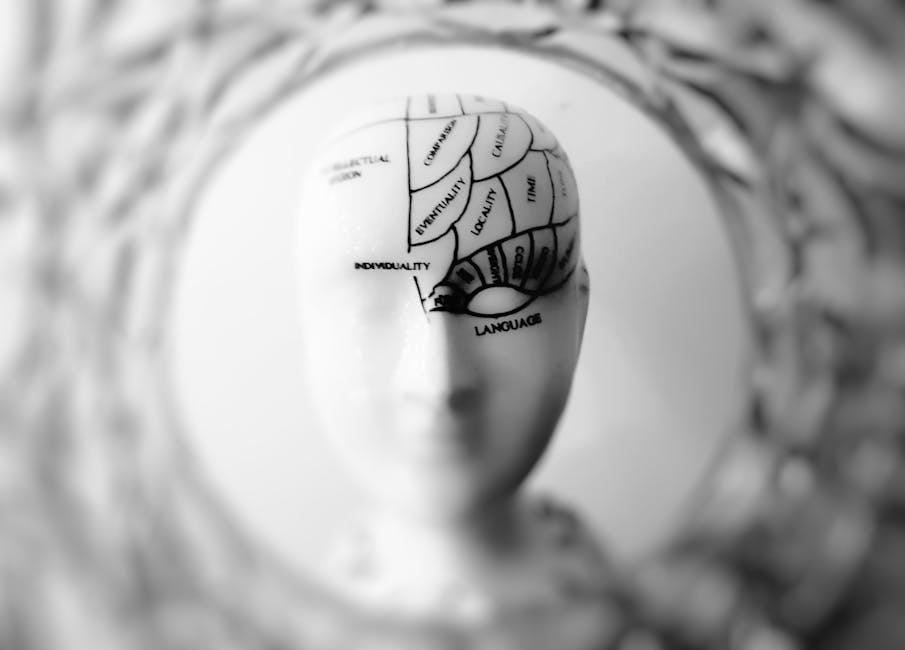
- Certain gut bacteria can recycle discarded sex hormones, including oestrogens, back into the body.
- Research suggests that industrialised societies have higher levels of these bacteria, linked to hormone-related disorders.
- The gut-brain-hormone axis is a complex ecosystem where gut bacteria influence hormone metabolism.
- Diet, lifestyle, and environmental exposures may influence the process of oestrogen reabsorption.
- Disrupted hormone balance due to modern living could have significant consequences for human health and wellbeing.
A striking fact has emerged in the field of endocrinology: certain gut bacteria have the ability to recycle discarded sex hormones, such as oestrogens, back into the body. This phenomenon has significant implications for our understanding of hormone regulation and its potential consequences for human health. Research suggests that the level of these bacteria is higher in industrialised societies, which could be contributing to the increasing incidence of hormone-related disorders. As we delve into the intricacies of this relationship, it becomes clear that modern living may be having a profound impact on our oestrogen levels.
The Gut-Brain-Hormone Axis

The human gut is home to a complex ecosystem of microorganisms, with some species playing a crucial role in hormone metabolism. The discovery that certain bacteria can recycle oestrogens has sparked intense interest in the scientific community, as it challenges our previous understanding of hormone regulation. This process, known as oestrogen reabsorption, may be influenced by various factors, including diet, lifestyle, and environmental exposures. As we navigate the complexities of modern life, it is essential to consider the potential consequences of disrupted hormone balance on our overall health and wellbeing.
Uncovering the Mechanisms

Studies have identified specific species of gut bacteria that are capable of recycling oestrogens, including Escherichia and Enterobacter. These bacteria possess enzymes that break down oestrogen conjugates, allowing the hormone to be reabsorbed into the bloodstream. The level of these bacteria appears to be higher in individuals from industrialised societies, suggesting a potential link between modern living and oestrogen levels. Further research is needed to fully elucidate the mechanisms underlying this relationship and to explore the potential consequences for human health.
Analysis and Implications
The potential consequences of disrupted oestrogen balance are far-reaching, with implications for reproductive health, bone density, and even cognitive function. Elevated oestrogen levels have been linked to an increased risk of certain cancers, such as breast and endometrial cancer, as well as metabolic disorders like polycystic ovary syndrome (PCOS). As we consider the potential effects of modern living on our oestrogen levels, it is essential to adopt a holistic approach, taking into account the interplay between lifestyle, environment, and hormone regulation. By examining the complex relationships between these factors, we may uncover new strategies for mitigating the negative consequences of oestrogen imbalance.
Broader Consequences
The impact of modern living on oestrogen levels may extend beyond individual health, with potential consequences for public health and the environment. As we continue to urbanise and adopt Westernised lifestyles, the incidence of hormone-related disorders may increase, placing a significant burden on healthcare systems. Furthermore, the environmental impact of hormone disruption should not be overlooked, as altered hormone levels can have far-reaching consequences for ecosystems and wildlife. By acknowledging the intricate relationships between human health, environment, and hormone regulation, we may uncover new opportunities for promoting sustainable health and wellbeing.
Expert Perspectives
Experts in the field of endocrinology offer contrasting viewpoints on the significance of gut bacteria in oestrogen regulation. Some argue that the relationship between modern living and oestrogen levels is still in its infancy, requiring further research to fully understand the mechanisms and implications. Others propose that the evidence is compelling, suggesting that we should reassess our lifestyle choices and environmental exposures to mitigate the negative consequences of oestrogen imbalance. As we move forward, it is essential to consider the diverse perspectives and expertise in this field, fostering a nuanced understanding of the complex relationships between modern living, gut bacteria, and hormone regulation.
As we look to the future, a pressing question remains: how can we balance the demands of modern living with the need to maintain optimal hormone balance? The answer may lie in adopting a more holistic approach to health, one that takes into account the intricate relationships between lifestyle, environment, and hormone regulation. By exploring the complex interplay between these factors, we may uncover new strategies for promoting sustainable health and wellbeing, ultimately reducing the risk of hormone-related disorders and promoting a healthier future for generations to come.