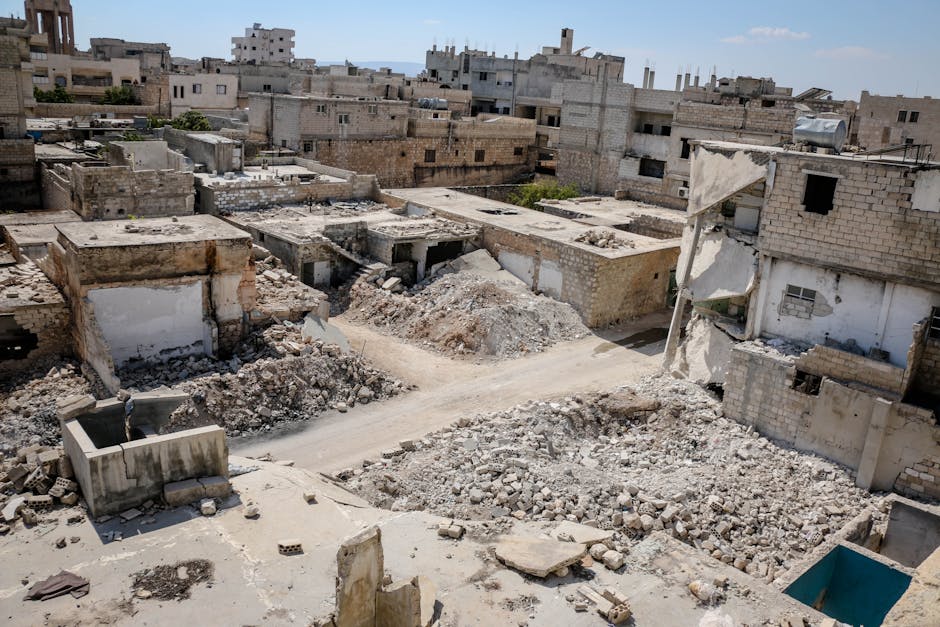
- French cement giant Lafarge was found guilty of financing the Islamic State of Iraq and the Levant (ISIL) in Syria to keep its cement plant ran.
- The company and eight former employees were convicted of paying off the terrorist group to maintain their Syrian operations.
- Lafarge’s decision to continue operations in conflict-ridden Syria was heavily criticized for compromising on ethical standards.
- The trial marked a significant milestone in the global fight against terrorism financing by a multinational company.
- Lafarge’s actions allegedly enabled the safe passage of employees and supplies through conflict zones.
In a landmark ruling, French cement giant Lafarge has been found guilty of financing the Islamic State of Iraq and the Levant (ISIL) in Syria, marking a significant milestone in the global fight against terrorism financing. The company, along with eight of its former employees, was convicted by a French court for paying off the terrorist group to keep its Syrian cement plant running. This shocking revelation has sent shockwaves throughout the corporate world, raising questions about the extent to which multinational companies are willing to go to protect their business interests, even if it means compromising on ethical standards.
Background on Lafarge’s Syrian Operations

The Lafarge cement plant in Jalabiya, Syria, was a crucial asset for the company, providing a significant source of revenue and cement production capacity. However, as the Syrian civil war escalated, the plant found itself in the midst of a conflict zone, with various factions, including ISIL, vying for control. Despite the risks, Lafarge chose to maintain its operations, allegedly paying off ISIL and other groups to ensure the safe passage of employees and supplies. This decision has been widely criticized, with many arguing that it amounted to financing terrorism and perpetuating human rights abuses.
The Trial and Conviction

The trial, which began in 2020, saw Lafarge and its former employees facing charges of financing terrorism and endangering the lives of their employees. Prosecutors presented evidence of payments made to ISIL and other groups, totaling over $15 million, which were allegedly used to facilitate the company’s operations in Syria. The court heard testimony from former employees, who described a culture of fear and intimidation, with management prioritizing profits over safety and ethics. In the end, the court found Lafarge and its former employees guilty, handing down significant fines and prison sentences.
Analysis of the Ruling’s Implications
The conviction of Lafarge and its former employees has significant implications for multinational companies operating in conflict zones. It highlights the need for companies to prioritize ethics and human rights over profits, even in the face of adversity. The ruling also underscores the importance of robust due diligence and risk assessment, to prevent companies from inadvertently or deliberately financing terrorism. Furthermore, the case sets a precedent for holding companies accountable for their actions, sending a strong message that financing terrorism will not be tolerated. As the global community continues to grapple with the challenges of terrorism financing, the Lafarge case serves as a timely reminder of the need for vigilance and cooperation.
Implications for the Corporate World
The Lafarge conviction is likely to have far-reaching implications for the corporate world, with companies re-examining their operations and risk management strategies in conflict zones. The ruling may also lead to increased scrutiny of companies’ human rights records and their compliance with anti-terrorism financing regulations. Moreover, the case may prompt governments and regulatory bodies to reassess their policies and guidelines for companies operating in high-risk areas, potentially leading to more stringent regulations and enforcement mechanisms. As companies navigate this new landscape, they will need to balance their business interests with the need to uphold ethical standards and comply with the law.
Expert Perspectives
Experts have welcomed the Lafarge conviction, hailing it as a major victory in the fight against terrorism financing. However, some have also cautioned that the ruling may have unintended consequences, such as discouraging companies from operating in high-risk areas or leading to increased costs and bureaucracy. Others have argued that the case highlights the need for more effective international cooperation and information sharing, to prevent companies from exploiting loopholes and weaknesses in regulatory frameworks. As the debate continues, one thing is clear: the Lafarge conviction marks a significant turning point in the global effort to combat terrorism financing, and its implications will be felt for years to come.
Looking ahead, the key question is how companies will respond to the Lafarge conviction, and what steps they will take to prevent similar incidents in the future. Will they prioritize ethics and human rights, or will they continue to pursue profits at any cost? The answer to this question will depend on a variety of factors, including regulatory pressures, public scrutiny, and the companies’ own values and culture. As the world watches, one thing is certain: the Lafarge case has set a new standard for corporate accountability, and companies will be expected to meet it.