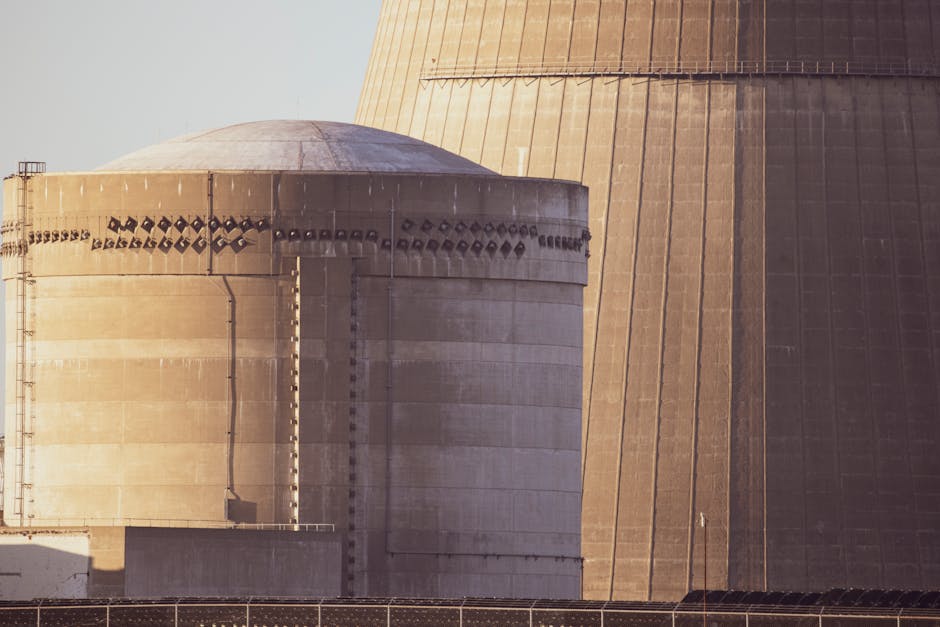
- The US is demanding a 20-year moratorium on Iran’s nuclear activity, a key sticking point in negotiations.
- Iran’s nuclear program has significant implications for the global economy, particularly in the energy sector.
- Tensions between the US and Iran have escalated, sparking concerns about the potential impact on global energy markets.
- The US has imposed stringent sanctions on Iran, which have had a devastating impact on the country’s economy.
- The dispute over Iran’s nuclear program dates back to 2002, with the international community seeking a deal to limit Iran’s nuclear ambitions.
The United States is pushing Iran to agree to a 20-year moratorium on nuclear activity, a demand that has been a major sticking point in negotiations between the two nations. This move has significant implications for the global economy, particularly in the energy sector, as Iran is a major oil producer. The demand for a 20-year freeze on uranium enrichment has been a barrier to progress on talks, with Iran refusing to back down. As a result, tensions between the US and Iran have escalated, sparking concerns about the potential impact on global energy markets. The US has imposed stringent sanctions on Iran, which have had a devastating impact on the country’s economy. With the global economy still recovering from the COVID-19 pandemic, the last thing it needs is another major disruption.
The Background to the Dispute

The dispute between the US and Iran over nuclear activity dates back to 2002, when Iran’s nuclear program was first exposed. Since then, the international community has been trying to negotiate a deal that would limit Iran’s nuclear ambitions. The 2015 Joint Comprehensive Plan of Action (JCPOA) was hailed as a major breakthrough, but the US withdrew from the deal in 2018, sparking a new round of tensions. The US has since imposed stringent sanctions on Iran, which have had a devastating impact on the country’s economy. The Iranian rial has lost significant value, and the country is struggling to import basic goods, including food and medicine. The economic impact of the sanctions has been felt across the region, with many countries that do business with Iran also being affected.
The Key Details of the Dispute

The key details of the dispute center on the US demand that Iran halt all uranium enrichment activities. Iran has refused to back down, arguing that it has the right to develop its nuclear program for peaceful purposes. The US has offered to lift some of the sanctions in exchange for Iran’s agreement to a 20-year moratorium on nuclear activity, but Iran has so far refused. The European Union has been trying to broker a deal, but its efforts have been hindered by the US’s hardline stance. The situation has been further complicated by the election of a new hardline president in Iran, who has vowed to take a tougher stance on the nuclear issue. The US has responded by imposing even more sanctions, which has sparked a major crisis in the region.
Analysis of the Dispute
Analysis of the dispute suggests that the US is using the nuclear issue as a pretext to exert pressure on Iran. The US is concerned about Iran’s growing influence in the region and its support for militant groups. By imposing sanctions and demanding a 20-year moratorium on nuclear activity, the US is trying to limit Iran’s ability to project power. However, this approach has been criticized by many experts, who argue that it is counterproductive and will only serve to strengthen hardline elements in Iran. The economic impact of the sanctions has also been significant, with many Iranians struggling to make ends meet. The situation has been further complicated by the COVID-19 pandemic, which has had a devastating impact on Iran’s economy.
Implications of the Dispute
The implications of the dispute are far-reaching, with the potential to impact not just the Middle East but the global economy as a whole. If the US and Iran are unable to reach a deal, the sanctions will remain in place, causing further economic hardship for the Iranian people. The situation could also spark a wider conflict, drawing in other countries in the region. The global economy is already facing significant challenges, including the COVID-19 pandemic and a slowdown in trade. The last thing it needs is another major disruption, which is why it is essential that the US and Iran find a way to resolve their differences. The EU has been trying to broker a deal, but its efforts have been hindered by the US’s hardline stance. The situation is further complicated by the fact that the US is not the only country with sanctions on Iran, with many other countries also imposing their own sanctions.
Expert Perspectives
Experts are divided on the best way to resolve the dispute, with some arguing that the US should take a tougher stance and others arguing that it should be more flexible. Some experts believe that the US should offer more concessions to Iran, including the lifting of some of the sanctions. Others believe that the US should maintain its hardline stance, arguing that it is the only way to prevent Iran from developing a nuclear bomb. The EU has been trying to broker a deal, but its efforts have been hindered by the US’s hardline stance. The situation is further complicated by the fact that the US is not the only country with sanctions on Iran, with many other countries also imposing their own sanctions. The global economy is already facing significant challenges, and the last thing it needs is another major disruption.
Looking ahead, it is unclear what the future holds for the US and Iran. The US has made it clear that it will not back down on its demand for a 20-year moratorium on nuclear activity, and Iran has refused to agree to this demand. The situation is further complicated by the fact that the US is not the only country with sanctions on Iran, with many other countries also imposing their own sanctions. The global economy is already facing significant challenges, and the last thing it needs is another major disruption. One thing is certain, however: the dispute between the US and Iran has the potential to impact not just the Middle East but the global economy as a whole. The US and Iran must find a way to resolve their differences, or risk sparking a wider conflict that could have far-reaching consequences for the global economy.