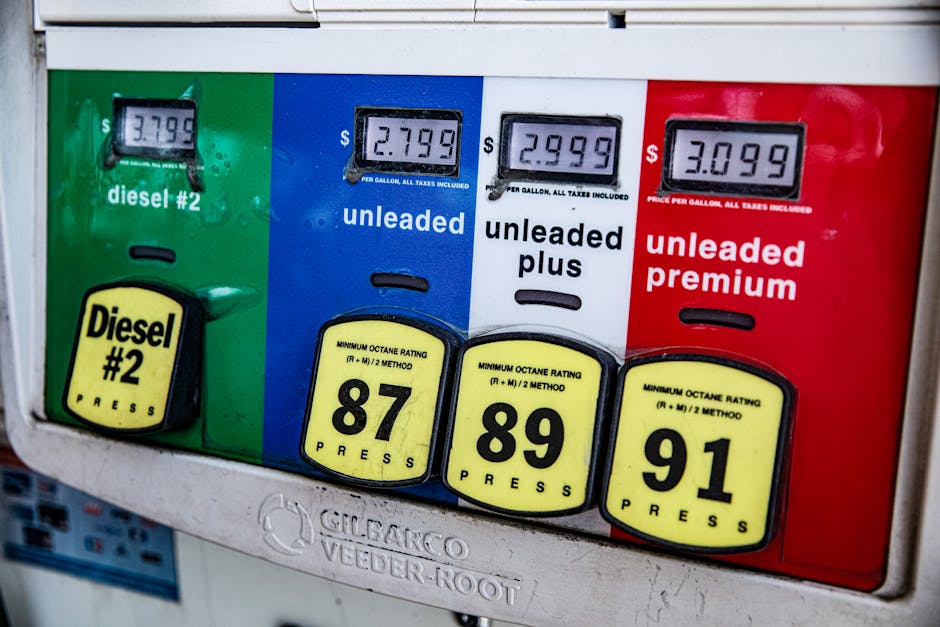
- High oil prices are not the main driver of inflation, according to renowned economist Steve Hanke.
- The true culprit behind inflation lies in expansionary monetary policies, not oil prices, Hanke argues.
- The oil crisis will eventually subside, but inflation is a deeply ingrained issue.
- Central banks’ expansionary policies have driven up asset prices and created lasting inflationary pressures.
- Hanke’s contrarian view challenges conventional wisdom on the root cause of inflation.
The current inflation landscape has been largely attributed to the rising cost of oil, with many on Wall Street pointing to the commodity’s price surge as the primary driver of increasing prices. However, Steve Hanke, a renowned economist at Johns Hopkins University, is challenging this conventional wisdom. Hanke argues that the focus on oil prices is misguided and that the true culprit behind inflation lies elsewhere. This contrarian view has sparked intense debate among economists and investors, with some hailing Hanke as a visionary and others dismissing his theory as overly simplistic. As the global economy continues to grapple with the challenges of inflation, Hanke’s perspective is certainly worth considering.
The End of the Oil Crisis

The oil crisis, sparked by the ongoing conflict, has indeed led to a significant increase in oil prices, which in turn has driven up inflation. However, Hanke predicts that the oil crisis will eventually subside, and with it, the upward pressure on prices will ease. The inflation predicament, on the other hand, is a more deeply ingrained issue that will persist long after the oil crisis has ended. According to Hanke, the root cause of inflation is not the price of oil, but rather the expansionary monetary policies implemented by central banks in recent years. These policies have flooded the economy with liquidity, driving up asset prices and creating inflationary pressures that will not be easily alleviated.
Key Details of the Inflation Conundrum

Hanke’s argument is based on a detailed analysis of the relationship between oil prices, monetary policy, and inflation. He points out that the correlation between oil prices and inflation is not as straightforward as many assume. While it is true that rising oil prices can drive up inflation, Hanke argues that this relationship is often overstated. In fact, he cites numerous examples of periods in which oil prices have risen without leading to significant inflation. The key factor, according to Hanke, is the state of the money supply and the overall direction of monetary policy. When central banks are printing money and keeping interest rates low, the conditions are ripe for inflation, regardless of the price of oil.
Analysis of the Causes and Effects
A closer examination of the data reveals that Hanke’s argument is not without merit. The expansionary monetary policies implemented in response to the pandemic have indeed led to a significant increase in the money supply, which in turn has driven up asset prices and created inflationary pressures. Furthermore, the ongoing conflict has disrupted global supply chains, leading to shortages and price increases in a range of commodities. However, Hanke’s analysis suggests that these factors are secondary to the primary driver of inflation, which is the monetary policy environment. As such, he argues that policymakers should focus on tightening monetary policy and reducing the money supply, rather than simply trying to manage the price of oil.
Implications for the Global Economy
The implications of Hanke’s theory are far-reaching and have significant consequences for the global economy. If he is correct, and the true driver of inflation is not oil prices but rather monetary policy, then the current focus on managing oil prices may be misplaced. Instead, policymakers should be focusing on tightening monetary policy and reducing the money supply, which could have a more lasting impact on inflation. This would require a significant shift in the way that central banks approach monetary policy, with a greater emphasis on controlling the money supply and less emphasis on managing asset prices. The potential consequences of such a shift are profound, with implications for everything from interest rates to employment levels.
Expert Perspectives
Not all experts agree with Hanke’s assessment, and some have argued that his theory oversimplifies the complex relationships between oil prices, monetary policy, and inflation. Others have pointed out that the current inflationary environment is driven by a range of factors, including supply chain disruptions, labor market tightness, and rising commodity prices. While Hanke’s theory may have some merit, it is unlikely to be the only factor driving inflation, and policymakers should be cautious not to oversimplify the challenges they face. As one expert noted, ‘inflation is a multifaceted phenomenon that cannot be reduced to a single cause or solution.’
Looking ahead, the key question is what policymakers will do next. Will they continue to focus on managing oil prices, or will they take a more nuanced approach that acknowledges the role of monetary policy in driving inflation? As Hanke noted, ‘the inflation predicament is a long-term challenge that requires a long-term solution.’ As such, policymakers should be prepared to take a step back and reassess their approach to monetary policy, with a view to developing a more sustainable and effective strategy for managing inflation. Only time will tell if Hanke’s contrarian view will be vindicated, but one thing is certain – the debate over the causes and consequences of inflation will continue to be a major theme in the global economy for years to come.