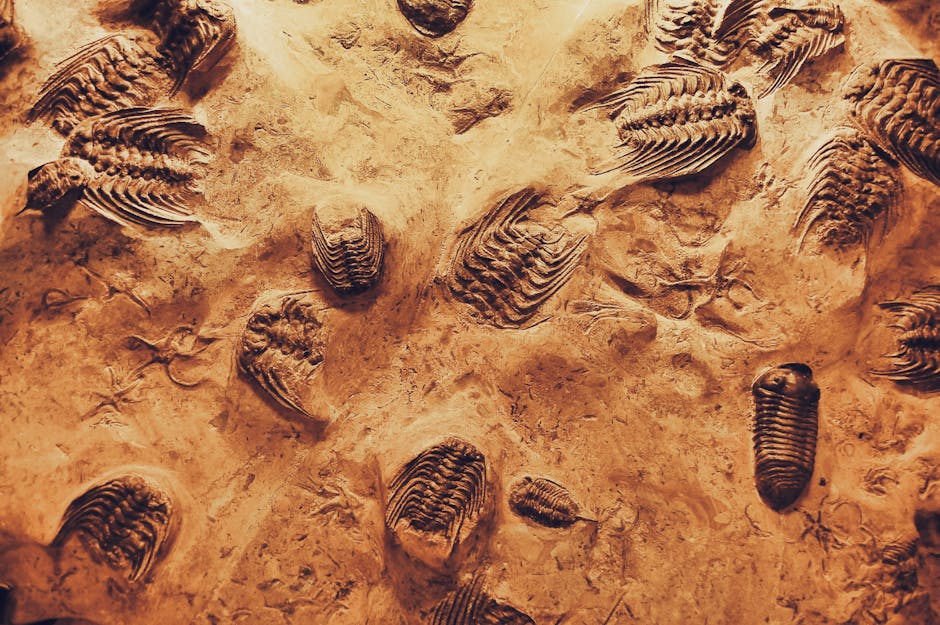
- Giant echidnas weighing 15kg once roamed the state of Victoria in Australia.
- The discovery of giant echidnas in Victoria highlights the importance of re-examining existing fossil collections.
- The finding has significant implications for understanding the evolutionary history of echidnas.
- Giant echidnas in Victoria raise questions about the environmental conditions and ecosystems that supported them.
- Studying fossil evidence and comparing it to modern-day species can reveal complex relationships between species and their environments.
A striking fact has emerged from the world of paleontology, shedding new light on the history of Australian wildlife. Giant echidnas, weighing a massive 15kg, once roamed the state of Victoria, leaving behind a trail of evidence that has only recently come to light. The discovery was made possible by a skull fragment found in a tray of unsorted fossils collected over a century ago, highlighting the importance of re-examining existing collections for hidden gems. This finding has significant implications for our understanding of the evolutionary history of echidnas and the ecosystems they inhabited.
The Discovery of Giant Echidnas

The discovery of giant echidnas in Victoria is a timely reminder of the importance of paleontological research in understanding the history of our planet. As scientists continue to study the fossil record, new insights emerge that challenge our existing knowledge and push the boundaries of our understanding. The fact that these giant echidnas existed in Victoria, a region not typically associated with such large species, raises important questions about the environmental conditions and ecosystems that supported them. By studying the fossil evidence and comparing it to modern-day species, researchers can gain a deeper understanding of the complex relationships between species and their environments.
Uncovering the Evidence

The key to this discovery lay in a skull fragment found in a tray of unsorted fossils collected more than a century ago. The fragment, which had been overlooked for decades, was finally identified as belonging to a giant echidna species. Further analysis revealed that the species was previously unknown to science, and its existence has significant implications for our understanding of echidna evolution. The fact that the evidence was hiding in plain sight, in a collection of fossils that had been gathered over a century ago, highlights the importance of re-examining existing collections and the potential for new discoveries to be made from old data. The researchers involved in the study have praised the diligence and attention to detail of their colleagues, who painstakingly sorted through the fossils to uncover the crucial evidence.
Analyzing the Findings
The analysis of the fossil evidence has provided valuable insights into the biology and ecology of the giant echidnas. By studying the morphology of the skull fragment and comparing it to other fossil specimens, researchers have been able to reconstruct the appearance and behavior of these ancient creatures. The findings suggest that the giant echidnas were well adapted to their environment, with powerful claws and a robust body that would have allowed them to thrive in a variety of ecosystems. The discovery has also sparked interest in the potential for other unknown species to be lurking in existing fossil collections, waiting to be discovered. As researchers continue to study the fossil record, they are reminded of the importance of considering the complex interplay between species and their environments, and the potential for new discoveries to challenge our existing understanding of the natural world.
Implications of the Discovery
The implications of this discovery are far-reaching, with significant consequences for our understanding of the evolutionary history of echidnas and the ecosystems they inhabited. The existence of giant echidnas in Victoria raises important questions about the environmental conditions and ecosystems that supported them, and highlights the potential for other unknown species to be discovered in the region. The findings also have implications for conservation efforts, as researchers seek to understand the complex relationships between species and their environments. By studying the fossil evidence and comparing it to modern-day species, researchers can gain a deeper understanding of the factors that contribute to species extinction and the importance of preserving biodiversity. The discovery of giant echidnas in Victoria serves as a timely reminder of the importance of continued research and exploration, as we seek to understand the complex and fascinating history of our planet.
Expert Perspectives
Experts in the field of paleontology have welcomed the discovery of giant echidnas in Victoria, praising the diligence and attention to detail of the researchers involved. The findings have sparked a lively debate about the potential for other unknown species to be lurking in existing fossil collections, waiting to be discovered. Some researchers have suggested that the discovery highlights the importance of re-examining existing collections and the potential for new discoveries to be made from old data. Others have noted that the findings have significant implications for our understanding of the evolutionary history of echidnas and the ecosystems they inhabited, and highlight the need for continued research and exploration in the field of paleontology. As the scientific community continues to study the fossil evidence and consider the implications of the discovery, one thing is clear: the discovery of giant echidnas in Victoria is a significant finding that will have far-reaching consequences for our understanding of the natural world.
As researchers look to the future, they are keenly aware of the potential for new discoveries to be made and the importance of continued exploration and research. The discovery of giant echidnas in Victoria serves as a reminder that there is still much to be learned about the history of our planet, and that even the most unexpected discoveries can have significant implications for our understanding of the natural world. As scientists continue to study the fossil record and push the boundaries of our knowledge, one question remains: what other secrets lie hidden in the fossil collections of the world, waiting to be uncovered?