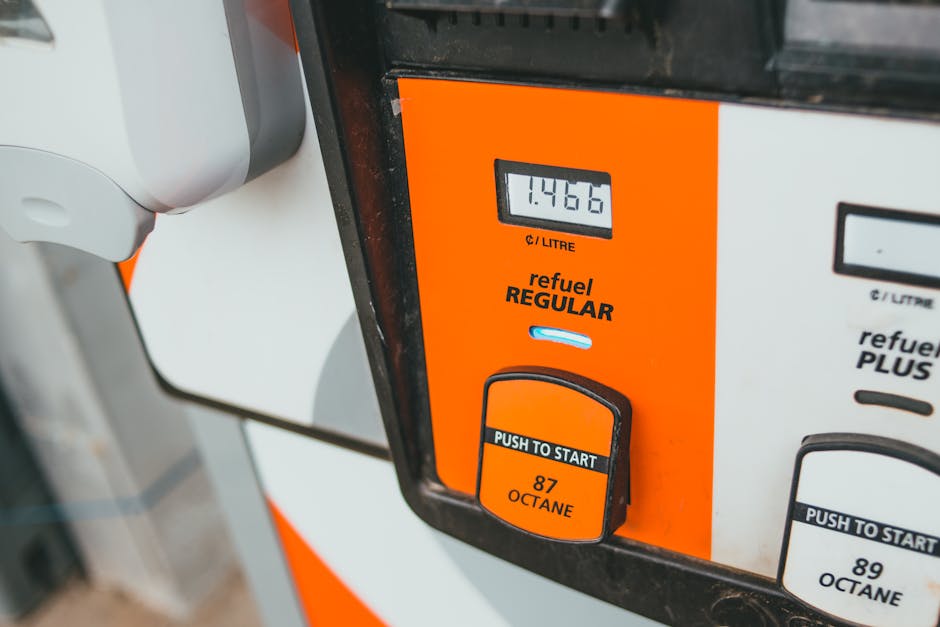
- The average fuel price in the UK has stopped rising after 43 consecutive days of increases.
- The prolonged surge in fuel prices has led to a significant rise in fuel costs affecting millions of motorists.
- Petrol prices have reached a record high, while diesel prices have also soared to unprecedented levels.
- Global demand, geopolitical tensions, and supply chain disruptions have contributed to the recent fuel price surge.
- Fuel prices could start to come down over the next couple of weeks, providing relief to consumers.
The average price of fuel in the UK has stopped rising after a staggering 43 days of consecutive increases, marking a significant shift in the market. According to the RAC, this prolonged surge has led to a substantial rise in fuel costs, affecting millions of motorists across the country. The motoring group’s data indicates that the average price of petrol has reached a record high, with diesel prices also soaring to unprecedented levels. This development has sparked concerns among drivers, businesses, and policymakers, who are eagerly awaiting a potential decline in fuel prices. The RAC’s findings suggest that prices could start to come down over the next couple of weeks, providing much-needed relief to consumers.
Fuel Price Trends: Understanding the Context

The recent surge in fuel prices can be attributed to a combination of factors, including global demand, geopolitical tensions, and supply chain disruptions. The COVID-19 pandemic has led to a significant increase in fuel consumption, as countries around the world have begun to recover from the economic downturn. Additionally, the ongoing conflict in Ukraine has resulted in sanctions on Russian oil exports, further exacerbating the global fuel shortage. As a result, fuel prices have skyrocketed, affecting not only individual motorists but also businesses that rely heavily on fuel for their operations. The RAC’s data provides valuable insights into the current state of the fuel market, highlighting the need for a comprehensive approach to addressing the underlying causes of price volatility.
The RAC’s Analysis: Key Findings

The RAC’s analysis of fuel price trends reveals that the average price of petrol has increased by over 10% in the past 43 days, with diesel prices rising by a similar margin. The motoring group’s data also indicates that fuel prices have been rising at an unprecedented rate, with some areas of the country experiencing even higher price hikes. The RAC’s experts attribute this surge to a perfect storm of global events, including the pandemic, geopolitical tensions, and supply chain disruptions. Furthermore, the organization’s research suggests that fuel prices may start to decline in the coming weeks, as global demand begins to slow down and supply chains start to recover. This forecast provides a glimmer of hope for motorists, who have been bearing the brunt of rising fuel costs.
Causes and Consequences: A Deeper Dive
A closer examination of the causes and consequences of the fuel price surge reveals a complex interplay of factors. On the one hand, the global economy’s recovery from the pandemic has led to an increase in fuel demand, driving up prices. On the other hand, the conflict in Ukraine has resulted in sanctions on Russian oil exports, further reducing global supply and exacerbating price volatility. The consequences of this surge are far-reaching, affecting not only individual motorists but also businesses, industries, and the broader economy. As fuel prices continue to rise, consumers may be forced to reduce their spending on other essential items, potentially leading to a decline in economic activity. The RAC’s analysis highlights the need for policymakers to develop a comprehensive strategy to address the root causes of fuel price volatility and mitigate its effects on the economy.
Implications for Motorists and the Economy
The implications of the fuel price surge are significant, affecting millions of motorists and businesses across the UK. As fuel prices continue to rise, consumers may be forced to reduce their spending on other essential items, potentially leading to a decline in economic activity. Furthermore, the increased cost of fuel may lead to higher transportation costs, affecting businesses that rely heavily on fuel for their operations. The RAC’s forecast suggests that fuel prices may start to decline in the coming weeks, providing much-needed relief to consumers and businesses. However, the organization’s experts caution that the fuel market remains highly volatile, and prices may fluctuate in response to global events. As such, motorists and businesses must remain vigilant, adapting to changing market conditions and developing strategies to mitigate the effects of fuel price volatility.
Expert Perspectives
Experts in the field offer contrasting viewpoints on the future of fuel prices. Some analysts predict that prices will continue to rise, driven by ongoing global demand and supply chain disruptions. Others, however, believe that prices may decline in the coming weeks, as global demand begins to slow down and supply chains start to recover. The RAC’s experts emphasize the need for a comprehensive approach to addressing the underlying causes of fuel price volatility, including investments in renewable energy and improvements to fuel efficiency. As the fuel market continues to evolve, experts will be closely watching developments, providing valuable insights and forecasts to help motorists and businesses navigate the complex landscape.
Looking ahead, the key question is what the future holds for fuel prices. Will prices continue to rise, driven by ongoing global demand and supply chain disruptions? Or will they decline, as global demand begins to slow down and supply chains start to recover? The RAC’s experts believe that the next few weeks will be crucial in determining the trajectory of fuel prices, and motorists and businesses must remain vigilant, adapting to changing market conditions and developing strategies to mitigate the effects of fuel price volatility. As the situation continues to unfold, one thing is certain – the fuel market will remain a key area of focus for policymakers, businesses, and consumers alike, with far-reaching implications for the economy and beyond.