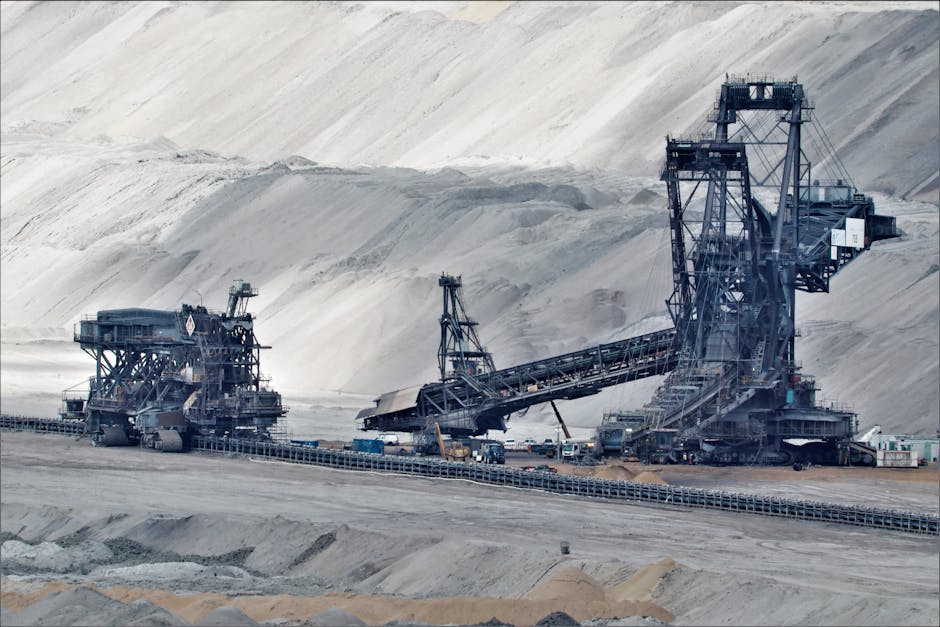
- Deep-sea mining poses significant risks to the environment, including habitat destruction and the release of toxic chemicals.
- A recent study highlights the need for baseline data on deep-sea ecosystems before mining can begin.
- Deep-sea mining operations are moving forward without baseline data, threatening the long-term health of our planet.
- The deep sea is a complex and poorly understood environment, with many species and ecosystems still unknown to science.
- A better understanding of deep-sea ecosystems is necessary before mining can begin to prevent irreparable harm.
The deep sea, a vast and largely unexplored environment, is facing a new threat: mining. As technology advances and demand for minerals increases, companies are turning to the deep sea as a potential source of wealth. However, this rush to exploit the deep sea’s resources must be halted until we have a better understanding of the potential consequences. A recent study published in Nature highlights the need for baseline data on deep-sea ecosystems before mining can begin. Without this data, we risk causing irreparable harm to these unique and fragile environments.
The Importance of Baseline Data

The deep sea is a complex and poorly understood environment, with many species and ecosystems still unknown to science. As such, it is essential that we gather baseline data on these ecosystems before any mining activity begins. This data will allow us to understand the potential impacts of mining and to develop effective strategies for mitigating them. However, despite the importance of baseline data, many deep-sea mining operations are moving forward without it. This is a reckless and short-sighted approach that threatens the long-term health of our planet.
The Risks of Deep-Sea Mining

Deep-sea mining poses significant risks to the environment, including the destruction of habitats, the release of toxic chemicals, and the disruption of delicate ecosystems. The deep sea is home to a unique and diverse array of species, many of which are found nowhere else on Earth. These species have evolved over millions of years to thrive in the deep sea’s harsh conditions, and they play a critical role in the health of our planet. However, deep-sea mining threatens to destroy these habitats and disrupt the delicate balance of the deep-sea ecosystem.
Analysis of the Consequences
The consequences of deep-sea mining without baseline data are far-reaching and potentially disastrous. Without a clear understanding of the potential impacts, we risk causing irreparable harm to the deep-sea ecosystem. This could have significant consequences for the health of our planet, including the loss of biodiversity, the disruption of nutrient cycles, and the release of toxic chemicals into the environment. Furthermore, the lack of regulation and oversight in the deep-sea mining industry means that companies are often able to operate with impunity, without being held accountable for their actions.
Implications for the Future
The implications of deep-sea mining without baseline data are significant, and they will be felt for generations to come. The deep sea is a unique and fragile environment that requires careful management and protection. However, the current approach to deep-sea mining is reckless and short-sighted, and it threatens the long-term health of our planet. It is essential that we take a more cautious and sustainable approach to deep-sea mining, one that prioritizes the protection of the environment and the preservation of biodiversity.
Expert Perspectives
Experts in the field are unanimous in their call for caution when it comes to deep-sea mining. Dr. Maria Rodriguez, a leading expert on deep-sea ecosystems, notes that “the deep sea is a complex and poorly understood environment, and we must be careful not to disrupt the delicate balance of the ecosystem.” Dr. John Taylor, a marine biologist, adds that “deep-sea mining poses significant risks to the environment, and we must prioritize the protection of the deep-sea ecosystem.”
As we move forward, it is essential that we take a cautious and sustainable approach to deep-sea mining. This means prioritizing the protection of the environment, preserving biodiversity, and ensuring that companies are held accountable for their actions. The future of our planet depends on it, and it is our responsibility to ensure that we are managing the deep sea in a way that is sustainable and responsible. We must continue to monitor the situation and to advocate for the protection of the deep-sea ecosystem, and we must be prepared to take action to prevent the irreparable harm that deep-sea mining could cause.