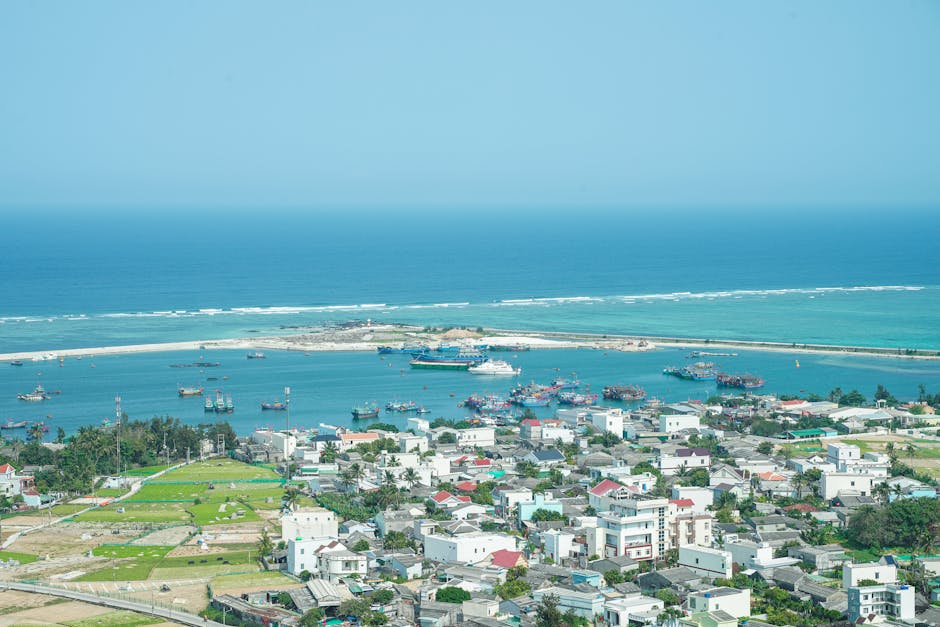
- Cyanide use in the South China Sea threatens the marine ecosystem and countless species of fish and other marine life.
- The disputed atoll in question is home to a grounded warship, which has been stranded for several years.
- The use of cyanide is a striking example of the escalating conflict in the region, with potentially disastrous consequences for the environment and regional stability.
- The South China Sea has long been a source of contention between the Philippines and China, with both countries claiming sovereignty over the disputed territory.
- The Philippines has consistently maintained that the atoll is part of its territory, while China has insisted that it is part of its own sovereign territory.
The South China Sea has become a focal point of tension between the Philippines and China, with the latest incident involving the alleged use of cyanide to poison a disputed atoll. According to Philippine officials, the toxic chemicals could have devastating effects on the marine ecosystem, harming countless species of fish and other marine life. The atoll in question is also home to a grounded warship, which has been stranded for several years. The use of cyanide in this context is a striking example of the escalating conflict in the region, with potentially disastrous consequences for the environment and regional stability.
The Disputed Atoll: A History of Tension

The South China Sea has long been a source of contention between the Philippines and China, with both countries claiming sovereignty over the disputed territory. The atoll, which is home to a diverse array of marine life, has been the subject of numerous diplomatic rows and military standoffs. The Philippines has consistently maintained that the atoll is part of its territory, while China has insisted that it is part of its own sovereign territory. The latest incident involving the alleged use of cyanide has raised the stakes, with Philippine officials warning of the potentially catastrophic consequences for the marine ecosystem.
Allegations of Environmental Sabotage

According to Philippine officials, the cyanide was used to poison the atoll’s marine life, potentially weakening the reef that supports the grounded warship. The warship, which has been stranded for several years, has become a symbol of the conflict in the region. The use of cyanide in this context is a serious allegation, with potentially far-reaching consequences for the environment and regional stability. The Philippines has called on China to cease its alleged environmental sabotage, warning that the consequences of inaction could be devastating. The incident has also raised questions about China’s commitment to protecting the environment, with critics arguing that the country’s actions are reckless and irresponsible.
Analysis: Causes, Effects, and Consequences
The alleged use of cyanide to poison the atoll’s marine life is a complex issue, with multiple causes and effects. One possible explanation is that China is attempting to weaken the reef that supports the grounded warship, potentially making it easier to remove or destroy the vessel. However, this tactic is fraught with risk, as the use of cyanide could have devastating effects on the marine ecosystem. The incident has also raised questions about the role of environmental protection in international relations, with some arguing that the use of toxic chemicals is a violation of international law. Experts warn that the consequences of inaction could be severe, with the potential for long-term damage to the marine ecosystem and regional stability.
Implications: A Region in Peril
The alleged use of cyanide to poison the atoll’s marine life has significant implications for the region, with potentially far-reaching consequences for the environment and regional stability. The incident has raised tensions between the Philippines and China, with both countries digging in for a long and potentially bloody conflict. The use of toxic chemicals has also raised questions about the role of environmental protection in international relations, with some arguing that the incident is a wake-up call for the international community. The Philippines has called on the international community to condemn China’s actions, warning that the consequences of inaction could be devastating for the region and the world at large.
Expert Perspectives
Experts are divided on the significance of the incident, with some arguing that it is a serious escalation of the conflict in the region. “The use of cyanide to poison the atoll’s marine life is a reckless and irresponsible tactic,” said one expert. “It raises serious questions about China’s commitment to protecting the environment and its willingness to use toxic chemicals to achieve its goals.” Others argue that the incident is a symptom of a larger problem, with the conflict in the region driven by a complex array of factors. “The incident is a wake-up call for the international community,” said another expert. “It highlights the need for a comprehensive and sustainable solution to the conflict in the region, one that takes into account the environmental and humanitarian consequences of the conflict.”
As the situation continues to unfold, one thing is clear: the conflict in the South China Sea is unlikely to be resolved anytime soon. The alleged use of cyanide to poison the atoll’s marine life is just the latest incident in a long and bloody conflict, one that has significant implications for the region and the world at large. As the international community watches with bated breath, one question remains: what’s next for the South China Sea? Will the incident mark a turning point in the conflict, or will it simply be another chapter in a long and ongoing saga?