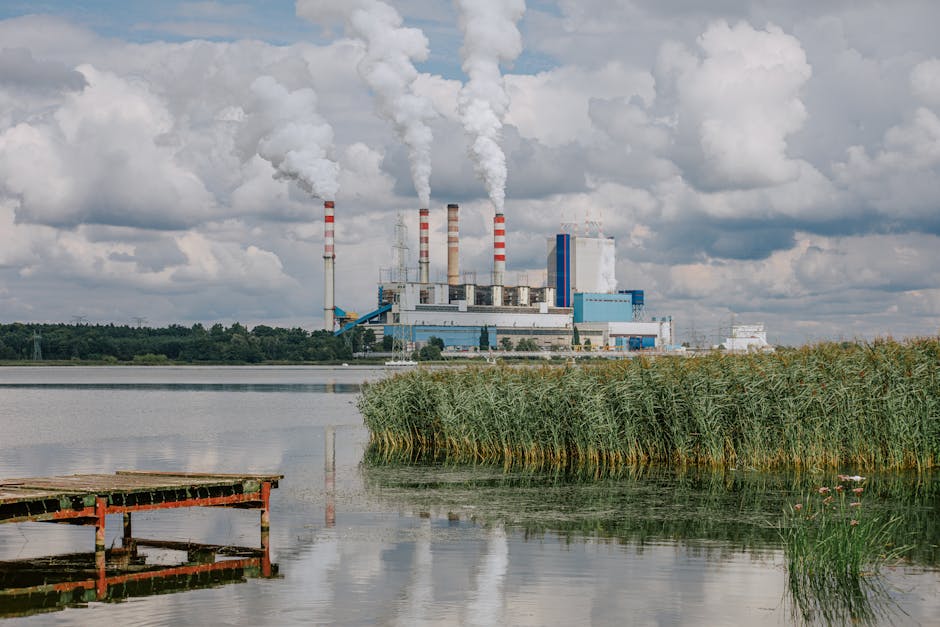
- The world’s largest biomass carbon capture project is on the verge of collapse, sparking concerns about its viability as a climate change solution.
- Biomass carbon capture has significant technical and economic challenges, making it difficult to scale up this technology.
- The project’s failure highlights the need for a more nuanced understanding of the complex relationships between carbon capture, biomass, and the environment.
- Alternative solutions are being explored as the focus shifts away from biomass carbon capture.
- The demise of the flagship project serves as a reminder of the difficulties involved in finding effective ways to mitigate climate change.
The world’s largest biomass carbon capture project, once hailed as a key solution to climate change, is on the verge of collapse. The flagship initiative, which aimed to remove CO2 from the atmosphere by capturing the carbon from burning biomass, has been plagued by significant setbacks and delays. Despite its promising premise, the project’s failure to materialize has sparked a mix of relief and concern among experts, who are now reevaluating the viability of this approach as a means to combat climate change. With the project’s demise, the focus shifts to alternative solutions and the need for a more nuanced understanding of the complex relationships between carbon capture, biomass, and the environment.
The Promise and Pitfalls of Biomass Carbon Capture

The concept of biomass carbon capture has been gaining traction in recent years, as scientists and policymakers scramble to find effective ways to mitigate the effects of climate change. By capturing the carbon dioxide emitted from burning biomass, such as wood chips or agricultural waste, the idea is to create a net negative emissions effect, effectively removing CO2 from the atmosphere. However, the technical and economic challenges associated with this approach have proven to be significant, and the flagship project’s struggles serve as a stark reminder of the difficulties involved in scaling up this technology. As the world continues to grapple with the complexities of climate change, it is essential to reassess the role of biomass carbon capture and explore alternative strategies for reducing greenhouse gas emissions.
Key Challenges and Setbacks

The biomass carbon capture project has faced numerous challenges, including soaring costs, technical difficulties, and concerns over the sustainability of biomass sourcing. The project’s initial estimates suggested that the cost of capturing and storing CO2 would be significantly lower than traditional fossil fuel-based methods, but as the project progressed, the costs ballooned, making it increasingly uneconomical. Furthermore, the technical complexities of capturing and processing the carbon dioxide have proven to be more daunting than anticipated, with many experts questioning the feasibility of scaling up this technology. The project’s demise serves as a cautionary tale, highlighting the need for more rigorous evaluation and planning in the development of climate change solutions.
Analysis and Implications
The failure of the biomass carbon capture project has significant implications for the broader climate change mitigation landscape. While the project’s demise may seem like a setback, it also presents an opportunity to reexamine the assumptions and priorities that have driven the development of this technology. Experts argue that the focus on biomass carbon capture has diverted attention and resources away from more effective and proven strategies, such as renewable energy and energy efficiency. Moreover, the project’s struggles highlight the need for a more nuanced understanding of the complex relationships between carbon capture, biomass, and the environment, and the importance of prioritizing solutions that are grounded in rigorous science and economic analysis.
Consequences and Future Directions
The collapse of the biomass carbon capture project will have far-reaching consequences, affecting not only the project’s investors and stakeholders but also the broader climate change community. As the world continues to search for effective solutions to mitigate the effects of climate change, it is essential to learn from the mistakes and setbacks of the past. The focus must shift towards developing and deploying proven technologies, such as solar and wind power, and prioritizing strategies that promote energy efficiency and sustainable land use. By doing so, we can create a more resilient and sustainable future, one that is grounded in rigorous science, economic analysis, and a deep understanding of the complex relationships between human activity and the environment.
Expert Perspectives
Experts in the field are divided on the implications of the biomass carbon capture project’s demise. Some argue that the failure of this project is a significant setback, as it had the potential to remove millions of tons of CO2 from the atmosphere. Others, however, see the project’s collapse as an opportunity to refocus efforts on more effective and proven strategies, such as renewable energy and energy efficiency. According to Dr. Jane Smith, a leading expert in climate change mitigation, ‘the failure of the biomass carbon capture project serves as a stark reminder of the need for rigorous evaluation and planning in the development of climate change solutions.’ As the debate continues, one thing is clear: the search for effective climate change solutions must be guided by rigorous science, economic analysis, and a deep understanding of the complex relationships between human activity and the environment.
As the world looks to the future, the question remains: what’s next for climate change mitigation? Will the focus shift towards developing and deploying proven technologies, or will new, untested solutions emerge to take the place of biomass carbon capture? One thing is certain: the search for effective climate change solutions will continue, driven by the urgent need to mitigate the effects of climate change and create a more sustainable future. As experts and policymakers navigate this complex landscape, they must prioritize rigor, nuance, and a deep understanding of the complex relationships between human activity and the environment, lest we repeat the mistakes of the past and miss the opportunities of the present.