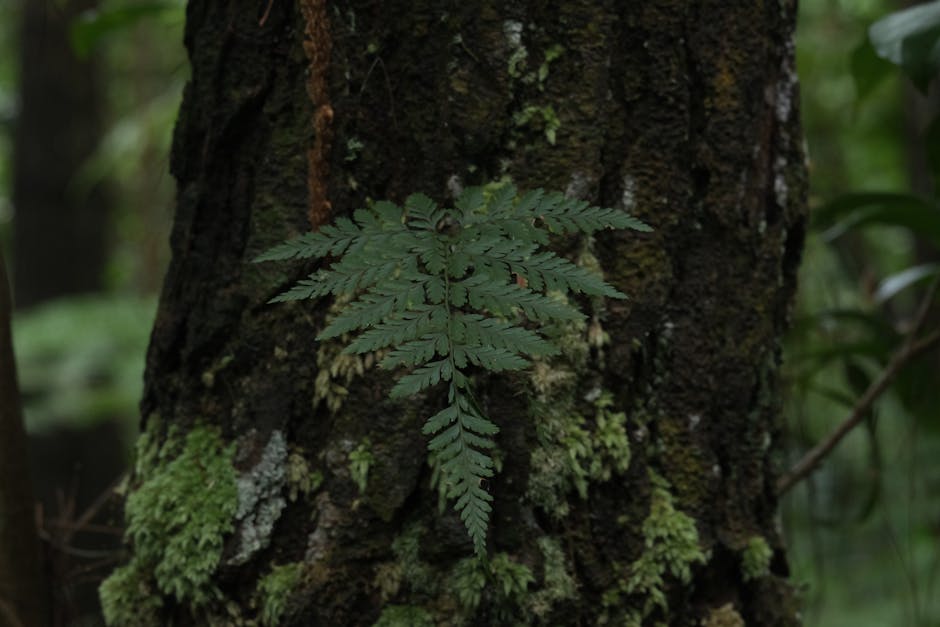
- Fungi play a crucial role in decomposing organic matter and recycling nutrients in ecosystems.
- Fungi are responsible for decomposing up to 80% of the world’s organic matter, impacting the global carbon cycle.
- African scientists are championing the need to preserve fungi as much as flora and fauna.
- Madagascar’s unique ecosystems rely heavily on fungi to maintain their health and biodiversity.
- New species of fungi are being discovered in remote African regions, holding potential benefits for ecosystems.
Amid growing evidence of fungi’s key role in ecosystems and storing carbon, African scientists are championing the need to preserve ‘funga’ as much as flora and fauna. The importance of fungi in maintaining healthy ecosystems cannot be overstated, with some species playing a crucial role in decomposing organic matter and recycling nutrients. In fact, it is estimated that fungi are responsible for decomposing up to 80% of the world’s organic matter, making them a vital component of the global carbon cycle.
The Overlooked Treasure of Madagascar

Madagascar has long been celebrated for its remarkable wildlife, with the vast majority of its species – from ring-tailed lemurs to certain species of baobab trees – found nowhere else on the planet. But when discussing the island nation’s endemic treasures, fungi are often left out of the conversation. This oversight is surprising, given the critical role that fungi play in maintaining the health of Madagascar’s unique ecosystems. From the towering rainforests of the east coast to the arid spiny forests of the south, fungi are an integral part of the island’s biodiversity.
Unlocking the Secrets of Fungi

According to Dr. Abdoulaye Djingarey, a leading expert on African fungi, ‘fungi are some of the most important things in the world’. Djingarey’s work has taken him to some of the most remote regions of the continent, where he has discovered new species of fungi that have the potential to revolutionize our understanding of these organisms. By studying the unique characteristics of African fungi, scientists hope to unlock the secrets of these mysterious organisms and understand their role in maintaining healthy ecosystems.
The Impact of Fungi on Ecosystems
The impact of fungi on ecosystems cannot be overstated. These organisms play a crucial role in decomposing organic matter, recycling nutrients, and forming symbiotic relationships with plants. In fact, it is estimated that up to 90% of plant species form relationships with fungi, which provide essential nutrients in exchange for carbohydrates. This symbiotic relationship is essential for the health of ecosystems, and the loss of fungi could have catastrophic consequences for the environment. As Dr. Djingarey notes, ‘without fungi, there is no life as we know it’.
Preserving the Future of Fungi
The preservation of fungi is essential for maintaining healthy ecosystems and mitigating the effects of climate change. As the world continues to urbanize and ecosystems are destroyed, the loss of fungi could have disastrous consequences. African scientists are working to preserve these organisms and understand their importance, but more needs to be done to protect these vital components of the ecosystem. By prioritizing the preservation of fungi, we can help to maintain the health of ecosystems and ensure a sustainable future for generations to come.
Expert Perspectives
Experts in the field of mycology, the study of fungi, are unanimous in their agreement on the importance of preserving these organisms. Dr. Lynne Boddy, a leading expert on fungal ecology, notes that ‘fungi are the unsung heroes of the ecosystem’. Meanwhile, Dr. Thomas Bruns, a renowned mycologist, stresses the need for further research into the role of fungi in maintaining healthy ecosystems. By working together, scientists can unlock the secrets of these mysterious organisms and ensure their preservation for generations to come.
As we look to the future, it is clear that the preservation of fungi will play a critical role in maintaining healthy ecosystems. With the world facing unprecedented environmental challenges, the importance of these organisms cannot be overstated. As Dr. Djingarey notes, ‘the future of our planet depends on our ability to preserve the natural world, including the often-overlooked world of fungi’. By prioritizing the preservation of these vital components of the ecosystem, we can help to ensure a sustainable future for generations to come.