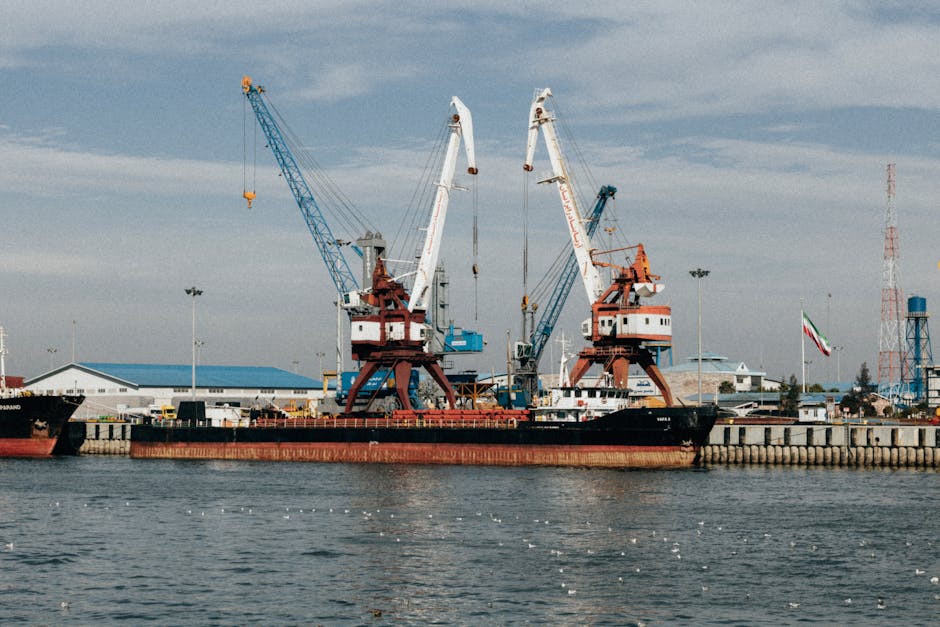
- The US-Iran conflict has escalated further with a 46-day blockade of Iranian ports, straining relations and sparking concerns of an all-out war.
- The blockade has severely impacted Iran’s economy, raising fears of a humanitarian crisis amidst heightened tensions.
- US President Donald Trump has hinted at a possible deal for Tehran, but the future of the region remains uncertain.
- The conflict stems from a long-standing dispute over Iran’s nuclear program and alleged support of terrorist organizations.
- The US withdrawal from the JCPOA nuclear deal in 2015 marked a significant escalation in tensions with Iran.
The ongoing US-Iran conflict has marked its 46th day, with the US maintaining a firm blockade on Iranian ports. This move has significantly escalated tensions between the two nations, sparking concerns of a potential all-out war. The blockade, which was imposed in response to Iran’s alleged aggressive actions in the region, has had a profound impact on the country’s economy and has raised fears of a humanitarian crisis. Despite the heightened tensions, US President Donald Trump has stated that there is still a chance for Tehran to reach a deal, leaving many to wonder what the future holds for the region.
Background to the Conflict

The current conflict between the US and Iran has its roots in a long-standing dispute over Iran’s nuclear program and its alleged support of terrorist organizations in the region. The US has been critical of Iran’s actions, and in response, imposed severe economic sanctions on the country. The situation took a turn for the worse when the US withdrew from the Joint Comprehensive Plan of Action (JCPOA), a nuclear deal signed between Iran, the US, and several other countries in 2015. Since then, tensions have continued to rise, with both sides engaging in a war of words and provocative actions. The blockade of Iranian ports is the latest development in this ongoing saga, and it remains to be seen how the situation will unfold.
Key Developments in the Conflict

The blockade of Iranian ports has been a significant development in the conflict, with the US Navy patrolling the waters and preventing any ships from entering or leaving the ports. This move has had a devastating impact on Iran’s economy, which is heavily reliant on oil exports. The country’s oil exports have plummeted, and the value of its currency has dropped significantly. The Iranian government has vowed to find ways to circumvent the blockade, but it remains to be seen how effective these efforts will be. The US has also imposed strict sanctions on several Iranian officials, including the country’s supreme leader, Ayatollah Ali Khamenei. The international community has called for calm and restraint, but so far, there has been little progress in resolving the crisis.
Analysis of the Situation
Analysts say that the blockade of Iranian ports is a high-risk strategy that could have far-reaching consequences. The move has already sparked a significant increase in oil prices, which could have a major impact on the global economy. Furthermore, the blockade has raised concerns of a potential military conflict, which could draw in other countries in the region. The US has stated that it is committed to a peaceful resolution of the crisis, but its actions suggest otherwise. Iran, on the other hand, has vowed to defend its sovereignty and territorial integrity, and has threatened to take drastic measures if the blockade is not lifted. The situation is complex and multifaceted, and it remains to be seen how it will unfold.
Implications of the Conflict
The implications of the US-Iran conflict are far-reaching and could have a significant impact on the region and beyond. The blockade of Iranian ports has already had a major impact on the country’s economy, and the humanitarian consequences could be severe. The conflict has also raised concerns of a potential military conflict, which could draw in other countries in the region. The international community has called for calm and restraint, but so far, there has been little progress in resolving the crisis. The US and Iran must find a way to resolve their differences peacefully, or risk sparking a wider conflict that could have devastating consequences for the region and the world.
Expert Perspectives
Experts are divided on the best way to resolve the crisis, with some calling for a negotiated settlement and others advocating for a more robust response to Iran’s actions. Some analysts believe that the US should take a more diplomatic approach, engaging in talks with Iran to find a peaceful resolution to the crisis. Others argue that the US must take a firm stance against Iran’s aggressive actions, and that the blockade is a necessary measure to prevent further escalation. The situation is complex and multifaceted, and it remains to be seen which approach will ultimately prevail.
As the situation continues to unfold, one thing is clear: the US-Iran conflict has the potential to spark a wider crisis that could have far-reaching consequences for the region and the world. The international community must remain vigilant and work towards a peaceful resolution of the crisis, before it’s too late. The question on everyone’s mind is: what will happen next? Will the US and Iran find a way to resolve their differences peacefully, or will the conflict escalate into a full-blown war? Only time will tell.