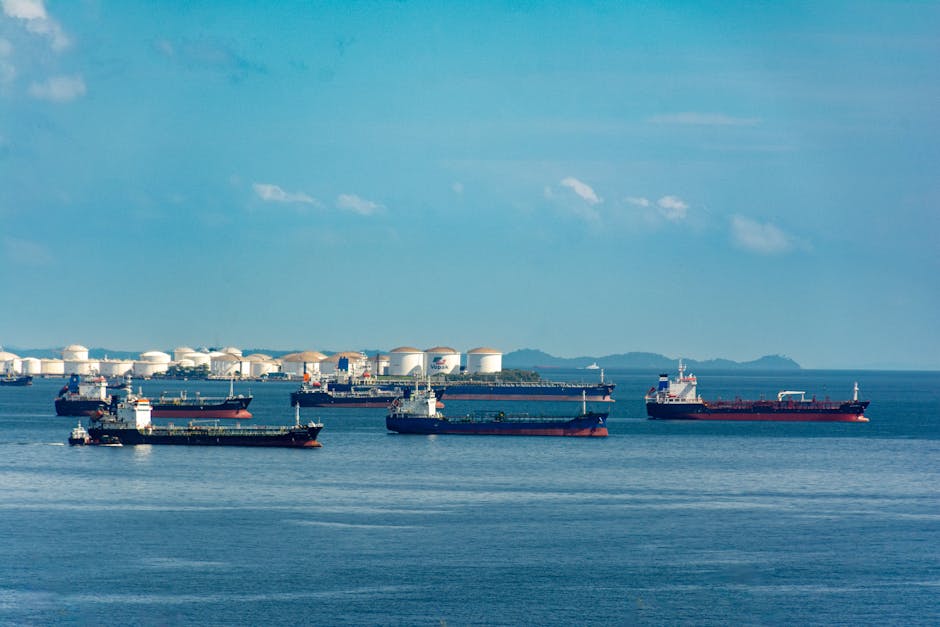
- The US blockade in the Strait of Hormuz has sparked widespread outrage in Iran, with thousands of protesters taking to the streets of Tehran.
- The blockade has significant implications for global oil markets, with oil prices surging and potential shortages looming.
- The US claims the blockade is necessary to prevent Iran from exporting oil, which it claims is being used to fund terrorist activities.
- Iran has denied these claims, accusing the US of trying to strangle its economy and defend its sovereignty.
- The blockade has raised concerns about the potential for a wider conflict in the region, with many experts warning of a potential war.
The ongoing tensions between the US and Iran have reached a boiling point, with the US blockade in the Strait of Hormuz sparking widespread outrage in Iran. Thousands of protesters have taken to the streets of Tehran, accusing the US of committing piracy and vowing to defend their country’s sovereignty. The blockade, which began earlier this week, has significant implications for global oil markets and regional stability, with many experts warning of a potential war between the two nations. The US has stated that the blockade is necessary to prevent Iran from exporting oil, which it claims is being used to fund terrorist activities. However, Iran has denied these claims, and has instead accused the US of trying to strangle its economy.
The Blockade’s Impact on Global Oil Markets

The US blockade in the Strait of Hormuz has significant implications for global oil markets. The strait is a critical waterway, with over 20% of the world’s oil passing through it every day. The blockade has already caused oil prices to surge, with many experts warning of a potential shortage of oil in the coming weeks. The impact of the blockade will be felt globally, with many countries relying on oil from the Middle East to meet their energy needs. The European Union, in particular, is likely to be heavily affected, as it relies heavily on oil from Iran and other Middle Eastern countries. The blockade has also raised concerns about the potential for a wider conflict in the region, with many experts warning of a potential war between the US and Iran.
The US-Iran Conflict: A History of Tensions

The conflict between the US and Iran has a long and complex history, with tensions between the two nations dating back to the 1970s. The US has long been critical of Iran’s human rights record and its support for terrorist groups, while Iran has accused the US of trying to undermine its sovereignty and impose its will on the region. The conflict has escalated in recent years, with the US withdrawing from the Iran nuclear deal and imposing strict sanctions on the country. The sanctions have had a devastating impact on Iran’s economy, with many experts warning of a potential collapse of the country’s financial system. The US has also been critical of Iran’s military activities in the region, particularly its support for militant groups in Iraq and Syria.
Analysis of the Conflict
The conflict between the US and Iran is complex and multifaceted, with many different factors at play. One of the key drivers of the conflict is the issue of oil, with the US seeking to prevent Iran from exporting its oil and Iran seeking to maintain its right to do so. The conflict is also driven by ideological differences, with the US and Iran having fundamentally different visions for the region. The US has long been committed to promoting democracy and human rights in the Middle East, while Iran has sought to promote its own brand of Islamic ideology. The conflict has significant implications for regional stability, with many experts warning of a potential war between the US and Iran. The conflict is also likely to have significant implications for global oil markets, with the potential for a shortage of oil and a surge in prices.
Implications of the Conflict
The implications of the conflict between the US and Iran are far-reaching and significant. The conflict has the potential to destabilize the entire region, with many countries being drawn into the conflict. The conflict also has significant implications for global oil markets, with the potential for a shortage of oil and a surge in prices. The conflict is also likely to have significant humanitarian implications, with many civilians being caught in the crossfire. The US and Iran must work to find a peaceful resolution to the conflict, one that takes into account the interests and concerns of all parties involved. This will require a significant amount of diplomacy and negotiation, as well as a willingness to compromise and find common ground.
Expert Perspectives
Experts are divided on the best way to resolve the conflict between the US and Iran. Some have called for a military solution, arguing that the US must take a strong stance against Iran’s aggressive behavior. Others have argued that a diplomatic solution is the only way forward, citing the need for dialogue and negotiation. Dr. Sanam Vakil, a specialist in Middle East politics, has argued that the US and Iran must work to find a peaceful resolution to the conflict, one that takes into account the interests and concerns of all parties involved. “The US and Iran have a long and complex history, and there are many different factors at play in this conflict. However, it is clear that a military solution is not the answer, and that diplomacy and negotiation are the only way forward,” she said.
As the conflict between the US and Iran continues to escalate, it is clear that a peaceful resolution will not be easy to achieve. The US and Iran have fundamentally different visions for the region, and there are many different factors at play in the conflict. However, it is also clear that a military solution is not the answer, and that diplomacy and negotiation are the only way forward. The international community must work to support a peaceful resolution to the conflict, one that takes into account the interests and concerns of all parties involved. This will require a significant amount of diplomacy and negotiation, as well as a willingness to compromise and find common ground. The question on everyone’s mind is: what will happen next? Will the US and Iran be able to find a peaceful resolution to the conflict, or will the situation continue to escalate? Only time will tell, but one thing is certain: the world will be watching with bated breath as this crisis unfolds.