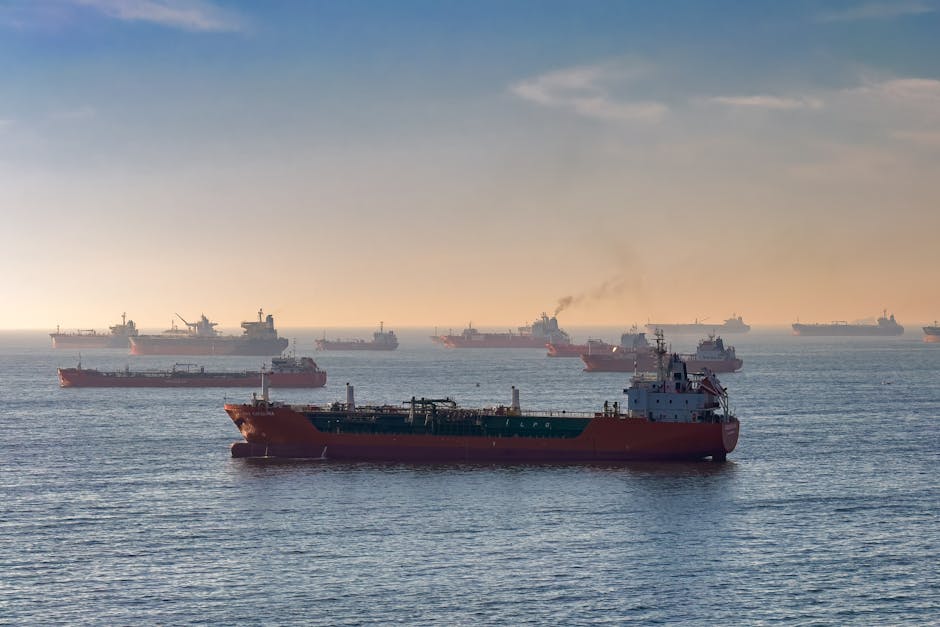
- The Strait of Hormuz is a critical shipping lane, with 20% of the world’s oil passing through it, making it a significant factor in the global energy market.
- The strait is a 90-nautical-mile-wide waterway connecting the Persian Gulf to the Gulf of Oman, and it is the only route for oil tankers to pass from the Persian Gulf to the open ocean.
- Rising tensions between Iran and the United States have sparked fears of a potential conflict that could disrupt global trade and have far-reaching economic consequences.
- The UN Secretary-General has urged all parties to respect the freedom of navigation in the region, highlighting the strait’s strategic importance to global trade and stability.
- The Strait of Hormuz is a vital waterway, with numerous cargo ships and tankers traversing the waterway on a daily basis, making it a crucial passageway for international trade.
The Strait of Hormuz, a vital waterway connecting the Persian Gulf to the Gulf of Oman, has become a focal point of international concern, with the UN Secretary-General urging all parties to respect the freedom of navigation in the region. The strait is a critical shipping lane, with approximately 20% of the world’s oil passing through it, making it a significant factor in the global energy market. The UN’s call to action comes amidst rising tensions between Iran and the United States, which have sparked fears of a potential conflict that could disrupt global trade and have far-reaching economic consequences.
The Strategic Importance of the Strait of Hormuz

The Strait of Hormuz is a 90-nautical-mile-wide waterway that connects the Persian Gulf to the Gulf of Oman, and it is the only route for oil tankers to pass from the Persian Gulf to the open ocean. The strait’s strategic importance cannot be overstated, as it is the primary shipping lane for oil exports from countries such as Saudi Arabia, Iraq, and Iran. The strait is also a critical passageway for international trade, with numerous cargo ships and tankers traversing the waterway on a daily basis. The UN’s call for respect of navigation in the strait is a clear acknowledgment of the region’s significance to global trade and stability.
Rising Tensions in the Region

Tensions in the Strait of Hormuz have been escalating in recent months, with the United States and Iran engaging in a war of words over issues such as oil exports, nuclear proliferation, and regional security. The situation took a turn for the worse in May 2019, when four oil tankers were attacked in the Gulf of Oman, with the United States blaming Iran for the incident. The attacks sparked a significant escalation of tensions, with the United States deploying additional military assets to the region and Iran threatening to close the Strait of Hormuz in retaliation. The situation remains volatile, with both sides engaging in a series of provocative actions that have raised fears of a potential conflict.
Analysis of the Crisis
The crisis in the Strait of Hormuz is a complex issue, with multiple factors at play. On one hand, the United States is seeking to maintain its influence in the region and protect its interests, while on the other hand, Iran is seeking to assert its sovereignty and resist what it sees as American aggression. The situation is further complicated by the presence of other regional actors, such as Saudi Arabia and the United Arab Emirates, which have their own interests and agendas. According to experts, the crisis in the Strait of Hormuz is a classic example of a security dilemma, where one side’s efforts to increase its security are perceived as a threat by the other side, leading to an escalation of tensions.
Implications of the Crisis
The implications of the crisis in the Strait of Hormuz are far-reaching and significant. A potential conflict in the region could disrupt global oil supplies, leading to a significant increase in oil prices and a potential recession. The crisis could also have a major impact on international trade, with the potential for cargo ships and tankers to be detained or attacked. Furthermore, the crisis could lead to a significant escalation of tensions between the United States and Iran, with the potential for a wider conflict that could draw in other regional actors. The UN’s call for respect of navigation in the strait is a clear acknowledgment of the potential consequences of a conflict in the region.
Expert Perspectives
Experts are divided on the best course of action to resolve the crisis in the Strait of Hormuz. Some experts argue that the United States should take a more conciliatory approach, engaging in diplomatic efforts to resolve the crisis and reduce tensions. Others argue that the United States should take a more assertive approach, using its military power to protect its interests and maintain stability in the region. According to Dr. Sanam Vakil, a Middle East expert at the Chatham House think tank, “the key to resolving the crisis is to address the underlying issues of sovereignty and security that are driving the tensions between the United States and Iran.”
Looking ahead, the situation in the Strait of Hormuz remains volatile, with the potential for a significant escalation of tensions. The international community will be watching the situation closely, with the UN’s call for respect of navigation in the strait serving as a reminder of the potential consequences of a conflict in the region. As the situation continues to unfold, one thing is clear: the Strait of Hormuz will remain a critical factor in global trade and stability, and the international community must work together to ensure that the region remains stable and secure.