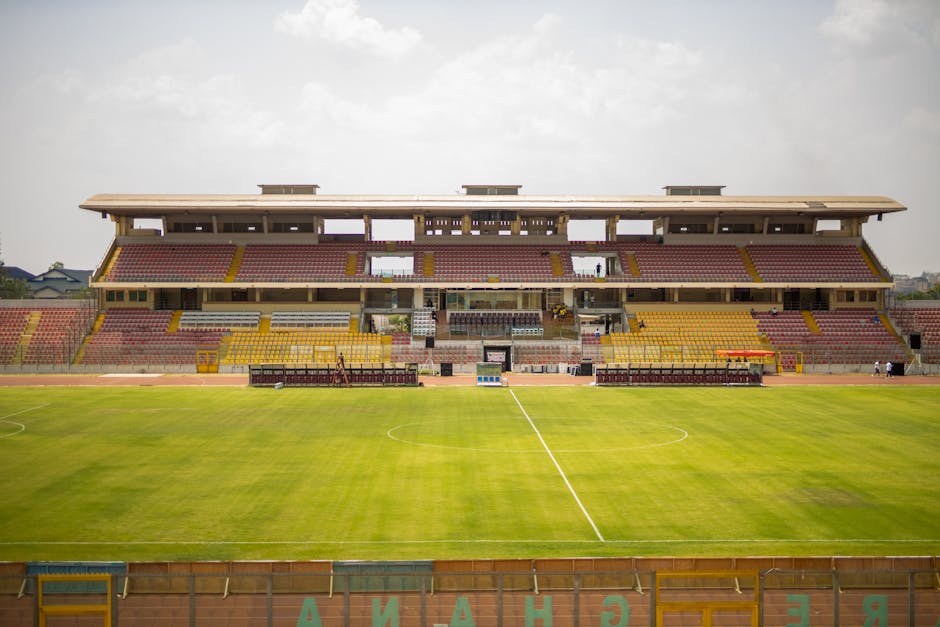
- Ghana’s Black Stars have appointed new head coach Carlos Queiroz, a tactical expert in tactical acumen and player motivation.
- The decision comes at a critical time for the West African nation ahead of the FIFA World Cup.
- Queiroz faces a tight deadline to prepare the team for the biggest stage in international football.
- The Ghana Football Association is eager to restore the team’s former glory and make a meaningful World Cup impact.
- Queiroz’s proven track record and adaptability make him an attractive choice for Ghana at this pivotal moment.
The appointment of Carlos Queiroz as the new head coach of Ghana’s national football team, the Black Stars, comes at a critical juncture for the West African nation. With the FIFA World Cup looming on the horizon, the Ghana Football Association’s decision to sack Otto Addo and bring in the experienced Portuguese coach underscores the high stakes involved. Queiroz, known for his tactical acumen and ability to motivate players, faces the daunting task of preparing his new team for the biggest stage in international football, all within a tight timeframe.
A New Era for Ghanaian Football

The background to Queiroz’s appointment is marked by the recent underperformance of the Black Stars, culminating in the dismissal of Otto Addo. The Ghana Football Association, eager to restore the team’s former glory and make a meaningful impact at the World Cup, has turned to a coach with a proven track record. Queiroz’s career spans multiple continents and includes stints as the head coach of the Iranian and Colombian national teams, among others. His experience in navigating the complexities of international football, coupled with his ability to adapt to new environments, makes him an attractive choice for Ghana at this pivotal moment.
The Road to the World Cup

Key details of Queiroz’s contract and the specific goals set out for him by the Ghana Football Association have begun to emerge, painting a picture of high expectations. The new coach will not only be tasked with leading the Black Stars through the World Cup but also with laying the groundwork for a more sustainable future for Ghanaian football. This includes developing young talent, improving the team’s technical and tactical prowess, and fostering a cohesive unit capable of competing against the world’s best. The challenges are significant, but Queiroz’s reputation as a meticulous planner and motivator suggests he is well-equipped to tackle them head-on.
Analysis and Expectations
An analysis of Queiroz’s coaching style and the current state of the Ghanaian team reveals both opportunities and challenges. On one hand, Queiroz’s emphasis on discipline, tactical flexibility, and player development could address some of the Black Stars’ recent shortcomings. On the other, the short time frame before the World Cup and the need to integrate new players and strategies into the team pose significant hurdles. Data from Queiroz’s previous coaching roles indicates an ability to improve team performances over time, but the immediate task of readying Ghana for the World Cup demands quick results. Expert opinion suggests that while Queiroz’s appointment is a positive step, the real test of his mettle will come on the pitch.
Implications for Ghana and Beyond
The implications of Queiroz’s appointment extend beyond the football pitch, with potential effects on national morale, sports development, and even diplomatic relations. For Ghana, a successful World Cup campaign could galvanize the nation, inspiring a new generation of footballers and fans alike. Conversely, a disappointing performance could lead to renewed criticism of the football association and questions about the wisdom of hiring a foreign coach. The impact on African football as a whole could also be significant, as a strong showing by Ghana could reflect positively on the continent’s sporting prowess and attract more international attention and investment.
Expert Perspectives
Expert perspectives on Queiroz’s appointment are mixed, with some hailing it as a masterstroke and others expressing skepticism about the decision to bring in a new coach so close to the World Cup. Some analysts point to Queiroz’s extensive experience and success in similar roles, arguing that his leadership could be the catalyst for a Ghanaian resurgence. Others, however, question whether any coach can make a meaningful difference in such a short period, suggesting that the team’s fate may already be sealed. These contrasting viewpoints highlight the complexity of the situation and the challenges Queiroz faces in his new role.
Looking forward, the key question on everyone’s mind is how Queiroz will fare in his first major tournament as Ghana’s head coach. Will he be able to galvanize the team and lead them to a respectable finish, or will the Black Stars succumb to the intense pressure and competition of the World Cup? As the football world watches with bated breath, Queiroz and his team prepare to face their destiny, aware that their performance will have far-reaching consequences for Ghanaian football and beyond.