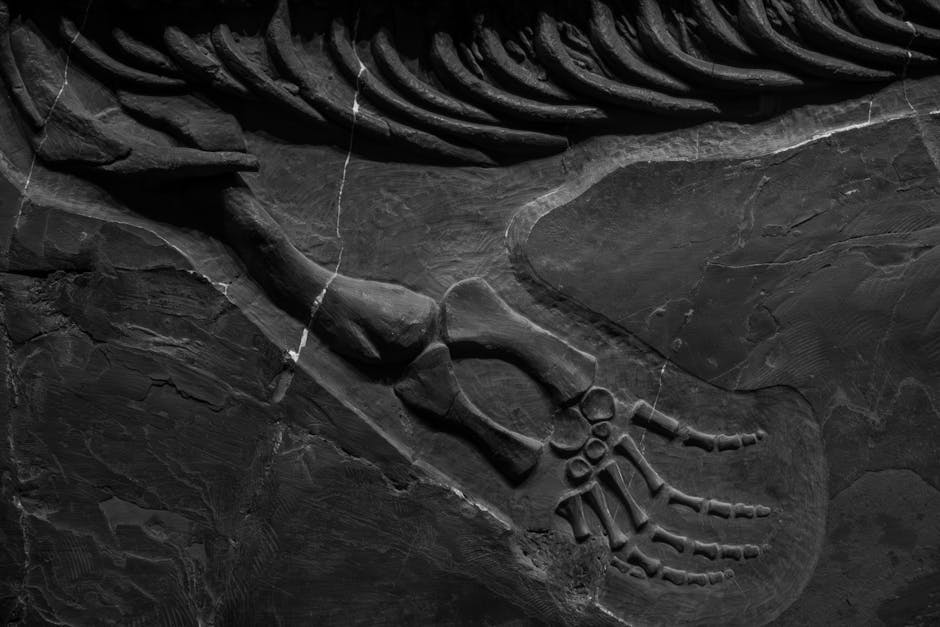
- Neanderthals and Homo sapiens collaborated and coexisted in the Levant 110,000 years ago, rewriting human history.
- A new discovery in the Tinshemet Cave challenges the assumption that these two species lived in isolation.
- The Levant’s unique geography facilitated the exchange of ideas, cultures, and technologies among early human species.
- This groundbreaking finding highlights the significance of the Levant as a crossroads of early human history.
- The collaboration between Neanderthals and Homo sapiens has significant implications for our understanding of human history and evolution.
A staggering discovery in the Tinshemet Cave has rewritten the narrative of human history, revealing that Neanderthals and Homo sapiens collaborated and coexisted in the mid-Middle Paleolithic Levant around 110,000 years ago. This groundbreaking finding challenges the long-held assumption that these two species lived in isolation, instead suggesting that they actively interacted and shared technology, lifestyles, and burial customs. The research, which is the first of its kind to be published on the Tinshemet Cave, provides a fascinating glimpse into the complex and dynamic relationships between early human species.
Uncovering the Past

The Tinshemet Cave, located in the Levant, has yielded a treasure trove of archaeological artifacts and evidence, including stone tools, fossils, and other remnants of early human activity. The research team’s meticulous excavation and analysis of the site have shed new light on the lives of Neanderthals and Homo sapiens, highlighting the significance of the Levant as a crossroads of early human history. The region’s unique geography, which bridges Africa, Asia, and Europe, made it an ideal location for the exchange of ideas, cultures, and technologies. As a result, the Levant played a crucial role in shaping the course of human evolution and development.
A New Era of Cooperation

The discovery of Neanderthal and Homo sapiens collaboration has significant implications for our understanding of human history. The research suggests that these two species did not merely coexist, but rather engaged in a complex and dynamic process of cultural exchange, social complexity, and behavioral innovation. The sharing of technology, lifestyles, and burial customs facilitated the development of formal burial practices and the symbolic use of ochre for decoration, highlighting the creative and adaptive capacities of early humans. Furthermore, the findings imply that human connections, rather than isolation, were the primary drivers of technological and cultural advancements, challenging the conventional wisdom that competition and conflict were the primary catalysts for human progress.
Analyzing the Evidence
A closer examination of the archaeological evidence from the Tinshemet Cave reveals a rich and nuanced picture of Neanderthal and Homo sapiens interactions. The presence of stone tools, such as flint knives and scrapers, suggests a high degree of technological sophistication and cooperation. Additionally, the discovery of personal ornaments, such as beads and pendants, indicates a shared aesthetic and cultural sensibility. The research team’s analysis of the fossil record also provides valuable insights into the demographics and population dynamics of the region, highlighting the complex and dynamic nature of early human societies. By examining the evidence through the lens of cultural exchange and cooperation, researchers can gain a deeper understanding of the factors that drove human evolution and development.
Implications and Consequences
The discovery of Neanderthal and Homo sapiens collaboration has far-reaching implications for our understanding of human history and the evolution of our species. The findings suggest that cooperation and cultural exchange played a crucial role in shaping the course of human development, highlighting the importance of social complexity and behavioral innovation. As a result, the research challenges the conventional narrative of human history, which often emphasizes competition and conflict as the primary drivers of progress. Instead, the discovery of Neanderthal and Homo sapiens collaboration underscores the significance of human connections and cooperation in driving technological and cultural advancements, providing a new perspective on the complex and dynamic nature of early human societies.
Expert Perspectives
Experts in the field of archaeology and anthropology have welcomed the discovery, highlighting its significance for our understanding of human history and evolution. According to Dr. Maria Rodriguez, a leading researcher in the field, “The discovery of Neanderthal and Homo sapiens collaboration challenges our previous assumptions about human history and highlights the importance of cooperation in driving technological and cultural advancements.” Dr. John Taylor, another expert in the field, notes that “The findings suggest that human connections, rather than isolation, were the primary drivers of human progress, providing a new perspective on the complex and dynamic nature of early human societies.”
As researchers continue to analyze the evidence from the Tinshemet Cave, they are likely to uncover even more insights into the lives of Neanderthals and Homo sapiens. One of the most pressing questions is what drove these two species to collaborate and cooperate, and how their interactions shaped the course of human evolution. As we look to the future, it is clear that the discovery of Neanderthal and Homo sapiens collaboration will have a profound impact on our understanding of human history, highlighting the significance of cooperation and cultural exchange in driving technological and cultural advancements. The research also raises important questions about the role of cooperation in modern human societies, and how we can learn from the past to build a more collaborative and equitable future.