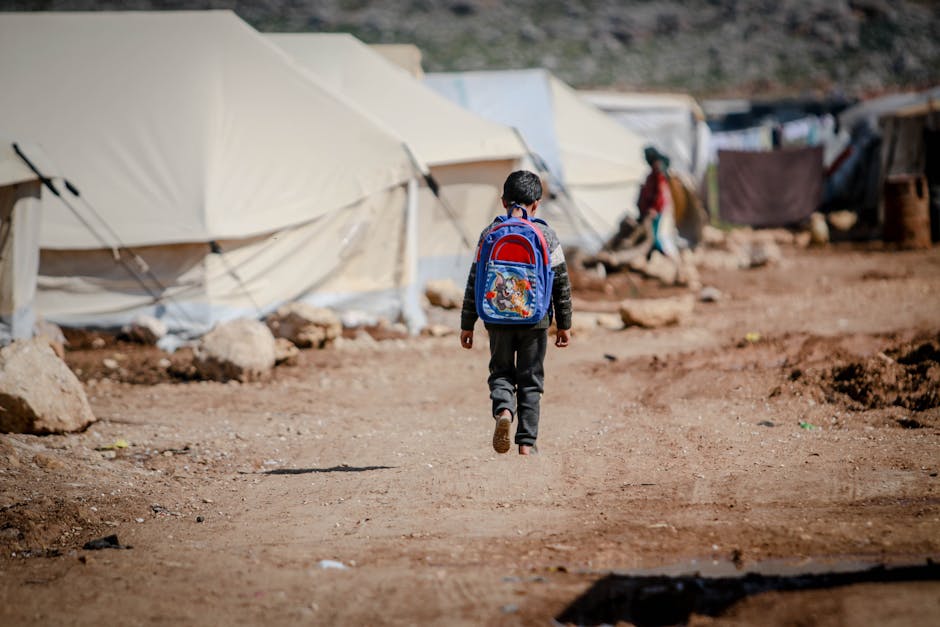
- The Red Cross has successfully delivered first aid shipments to Iran despite the ongoing war.
- At least 3,000 people have been killed in Iran, 2,020 in Lebanon, 23 in Israel, and more than a dozen in Gulf Arab states.
- The humanitarian crisis in the Middle East is exacerbated by the lack of access to basic necessities like food, water, and healthcare.
- The delivery of first aid shipments to Iran marks a significant milestone in the relief efforts.
- Millions of people affected by the war are in dire need of medical supplies and other essential aid.
The ongoing war in the Middle East has resulted in a devastating humanitarian crisis, with at least 3,000 people killed in Iran, 2,020 in Lebanon, 23 in Israel, and more than a dozen in Gulf Arab states. Despite the challenges posed by the conflict, the Red Cross has successfully delivered first aid shipments to Iran, marking a significant milestone in the relief efforts. This development comes as a welcome respite for the millions of people affected by the war, who are in dire need of medical supplies and other essential aid.
Escalating Conflict and Humanitarian Crisis

The war has been raging for months, causing widespread destruction and displacement of people. The humanitarian crisis is exacerbated by the lack of access to basic necessities like food, water, and healthcare. The situation is particularly dire in Iran, where the war has resulted in a significant number of casualties and displaced persons. The Red Cross and other humanitarian organizations have been working tirelessly to provide aid to those affected, but the challenges posed by the conflict have made it difficult to reach all those in need. The delivery of first aid shipments to Iran is a crucial step towards addressing the humanitarian crisis and providing relief to those who need it most.
Key Developments in the Relief Efforts

The Red Cross has been at the forefront of the relief efforts, working closely with local authorities and other humanitarian organizations to provide aid to those affected by the war. The delivery of first aid shipments to Iran is a significant development, as it marks the first time that humanitarian aid has reached the country since the start of the conflict. The shipments include essential medical supplies, such as bandages, antibiotics, and painkillers, which will help to alleviate the suffering of those injured in the war. The Red Cross has also been providing support to displaced persons, including food, shelter, and clothing.
Analysis of the Humanitarian Crisis
The humanitarian crisis caused by the war is a complex issue, with multiple factors contributing to the suffering of those affected. The lack of access to basic necessities like food, water, and healthcare is a major concern, as is the psychological trauma caused by the conflict. The Red Cross and other humanitarian organizations are working to address these issues, but the challenges posed by the conflict make it a difficult task. The delivery of first aid shipments to Iran is a positive development, but it is only the first step towards addressing the humanitarian crisis. More needs to be done to provide relief to those affected and to find a long-term solution to the conflict.
Implications of the Humanitarian Crisis
The humanitarian crisis caused by the war has far-reaching implications for the people of Iran, Lebanon, Israel, and the Gulf Arab states. The conflict has resulted in a significant number of casualties and displaced persons, and the lack of access to basic necessities like food, water, and healthcare is exacerbating the crisis. The delivery of first aid shipments to Iran is a welcome development, but it is only the first step towards addressing the humanitarian crisis. The international community needs to come together to provide more aid and support to those affected by the conflict, and to work towards finding a long-term solution to the crisis.
Expert Perspectives
Experts agree that the humanitarian crisis caused by the war is a complex issue that requires a comprehensive response. “The delivery of first aid shipments to Iran is a positive development, but it is only the first step towards addressing the humanitarian crisis,” said a spokesperson for the Red Cross. “More needs to be done to provide relief to those affected and to find a long-term solution to the conflict.” Other experts have called for increased international support to address the humanitarian crisis, including the provision of more aid and the establishment of a ceasefire to allow for the safe delivery of humanitarian aid.
As the conflict continues to escalate, it remains to be seen how the international community will respond to the humanitarian crisis. Will the delivery of first aid shipments to Iran mark the beginning of a new era of cooperation and support for those affected by the war, or will the conflict continue to worsen, causing even more suffering and displacement? Only time will tell, but one thing is certain: the people of Iran, Lebanon, Israel, and the Gulf Arab states need our support and aid now more than ever.