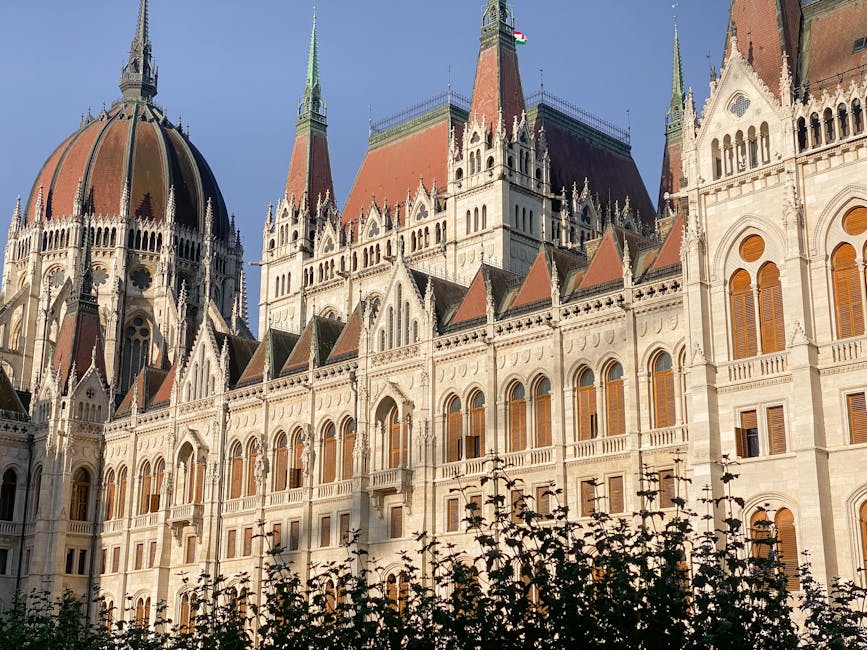
- Viktor Orban’s surprise defeat in the Hungarian election marks a significant turning point in the country’s political landscape.
- The election result is seen as a rejection of Orban’s illiberal policies and a shift towards a more democratic and progressive direction.
- Orbanism, characterized by authoritarian tendencies, nationalism, and disregard for EU norms, remains a potent force in Hungarian politics.
- Economic struggles and disillusionment with the EU contributed to the rise of Orbanism in Hungary.
- The EU’s response to the migrant crisis and economic issues has created a fertile ground for illiberal ideologies like Orbanism to flourish.
The recent Hungarian election marked a significant turning point in the country’s political landscape, as Viktor Orban, the incumbent prime minister, suffered a surprise defeat. This election result has sent shockwaves throughout Europe, with many interpreting it as a rejection of Orban’s illiberal policies and a shift towards a more democratic and progressive direction. However, despite Orban’s personal defeat, the ideology of Orbanism, which has been characterized by authoritarian tendencies, nationalism, and a disregard for EU norms, remains a potent force in Hungarian politics and beyond.
The Rise of Orbanism

The rise of Orbanism in Hungary can be attributed to a combination of factors, including the country’s complex history, economic struggles, and a sense of disillusionment with the EU. Orban’s Fidesz party has been in power since 2010, and during this time, it has systematically undermined democratic institutions, curtailed civil liberties, and promoted a nationalist agenda. The EU’s own response to the migrant crisis, as well as its handling of economic issues, has also contributed to the perception that the EU is out of touch with the concerns of ordinary citizens, creating a fertile ground for illiberal ideologies like Orbanism to flourish.
Key Players and Events

The Hungarian election was marked by a high turnout, with many voters mobilizing against Orban’s regime. The opposition, led by Peter Marki-Zay, ran a spirited campaign, focusing on issues such as corruption, economic inequality, and the need to restore democratic norms. The election result, which saw Orban’s Fidesz party lose its parliamentary majority, has been hailed as a victory for democracy and a rejection of Orban’s divisive politics. However, the fact that Orban’s party still managed to secure a significant share of the vote suggests that his ideology remains popular among a substantial segment of the Hungarian population.
Analysis and Implications
The defeat of Orban’s party has significant implications for the future of Hungarian politics and the EU as a whole. On one hand, it suggests that the EU’s democratic values and norms can still be upheld, and that illiberal tendencies can be challenged and defeated through the ballot box. On the other hand, the fact that Orbanism remains a potent force in Hungarian politics, and that similar ideologies are gaining traction in other EU member states, suggests that the EU’s own illiberal tendencies and militarism are still very much present. This raises important questions about the EU’s ability to promote and defend democratic values, and its capacity to address the underlying causes of illiberalism, such as economic inequality and social injustice.
Future Prospects
The outcome of the Hungarian election has significant implications for the future of European politics. As the EU continues to grapple with issues such as migration, economic stagnation, and geopolitical instability, the appeal of illiberal ideologies like Orbanism is likely to endure. The EU’s response to these challenges will be crucial in determining whether democratic values and norms can be upheld, or whether illiberal tendencies will continue to gain ground. The fact that Orban’s defeat was largely due to the mobilization of civil society and the opposition, rather than any significant shift in EU policy, suggests that the EU still has much work to do in promoting and defending democratic values.
Expert Perspectives
Experts are divided on the significance of Orban’s defeat, with some hailing it as a major victory for democracy, while others see it as a temporary setback for illiberal forces. According to some analysts, the EU’s own illiberal tendencies and militarism have created a fertile ground for ideologies like Orbanism to flourish, and that the EU needs to undergo a significant transformation in order to address these underlying issues. Others argue that the defeat of Orban’s party marks a significant shift in Hungarian politics, and that the EU should seize this opportunity to promote democratic values and norms.
Looking ahead, the key question is what the EU can do to address the underlying causes of illiberalism, and to promote democratic values and norms. Will the EU be able to reform itself and address the concerns of ordinary citizens, or will it continue to be seen as out of touch and distant? The answer to this question will have significant implications for the future of European politics, and the prospects for democracy and progressive values in the region.