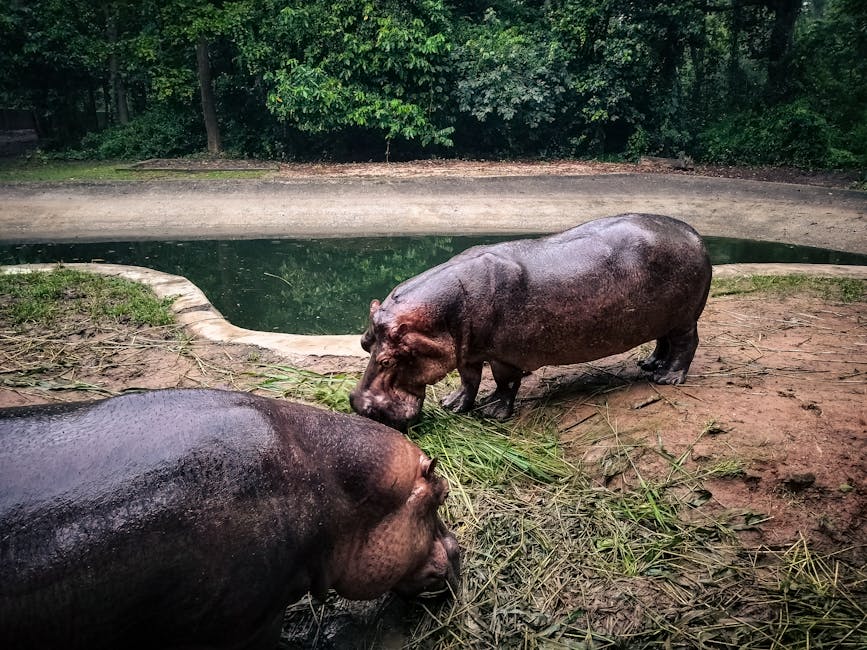
- Colombia’s wild hippo population, estimated at 120, is a legacy of Pablo Escobar’s private zoo.
- The non-native hippos pose a significant threat to the local ecosystem and human populations.
- The Colombian government has approved a plan to cull the hippo population to mitigate risks.
- The hippos escaped from Escobar’s abandoned zoo and have established themselves as an invasive species.
- The culling plan marks a significant shift in the Colombian government’s approach to managing the problem.
The presence of wild hippos in Colombia, a country in South America, is a stark reminder of the enduring legacy of infamous drug lord Pablo Escobar. With an estimated population of around 120, these hippos are descended from the private zoo of Escobar, who was killed in 1993. The hippos, which are not native to the region, have been roaming free in the countryside, posing a significant threat to both the local ecosystem and human populations. This situation has led the Colombian government to approve a plan to cull the hippo population, in an effort to mitigate the risks associated with these invasive animals.
The Hippo Invasion: A Legacy of Escobar

The story of how hippos came to inhabit the Colombian countryside is a fascinating, albeit troubling, one. After Escobar’s death, his private zoo, which housed a variety of exotic animals including hippos, was abandoned. The hippos, which were initially contained within the zoo, eventually escaped and began to thrive in their new environment. Over the years, the population has grown, and the hippos have established themselves as an invasive species, competing with native animals for resources and habitat. The Colombian government has been grappling with the issue for some time, and the recent decision to cull the population marks a significant shift in their approach to managing the problem.
Key Details of the Culling Plan

The plan to cull the hippo population has been met with a mix of relief and concern. The government has stated that the culling will be carried out in a humane manner, with the goal of reducing the population to a more manageable level. The details of the plan are still being finalized, but it is expected that a combination of methods will be used, including hunting and relocation. The government has also announced plans to work with local communities and wildlife experts to develop a long-term strategy for managing the hippo population and preventing further invasions. The success of the plan will depend on a number of factors, including the effectiveness of the culling methods and the level of cooperation from local stakeholders.
Analysis of the Hippo Problem
The presence of wild hippos in Colombia is a complex issue, with far-reaching implications for the environment, human health, and the economy. From an ecological perspective, the hippos are an invasive species, competing with native animals for resources and habitat. They are also a threat to human safety, as they are known to be aggressive and can cause significant damage to crops and property. The economic implications of the hippo population are also significant, as the damage caused by the hippos can have a major impact on local agriculture and tourism. Experts have warned that if left unchecked, the hippo population could continue to grow, leading to even more severe consequences for the environment and human populations.
Implications of the Culling Plan
The decision to cull the hippo population has significant implications for a range of stakeholders, including local communities, wildlife experts, and the environment. The plan is expected to have a major impact on the local ecosystem, as the reduction in the hippo population will allow native species to thrive. The culling plan will also have economic implications, as the reduction in damage to crops and property is expected to have a positive impact on local agriculture and tourism. However, the plan has also been met with criticism from some quarters, with concerns raised about the humane treatment of the hippos and the potential impact on the environment.
Expert Perspectives
Experts have weighed in on the issue, with some hailing the decision to cull the hippo population as a necessary step to protect the environment and human safety. Others have raised concerns about the plan, citing the need for a more humane approach and the potential risks associated with culling an invasive species. According to one expert, “the culling of the hippo population is a complex issue, and it is essential that the Colombian government takes a balanced approach, considering both the environmental and human impacts.” Another expert noted that “the hippos are a symptom of a larger problem, and the government needs to address the root causes of the issue, including the lack of effective wildlife management and the legacy of Escobar’s private zoo.”
Looking to the future, it is clear that the issue of the wild hippos in Colombia is far from resolved. The success of the culling plan will depend on a range of factors, including the effectiveness of the methods used and the level of cooperation from local stakeholders. As the situation continues to evolve, it will be important to monitor the impacts of the plan and to consider alternative approaches to managing the hippo population. One key question that remains is whether the Colombian government will be able to balance the need to protect the environment and human safety with the need to treat the hippos in a humane and respectful manner.