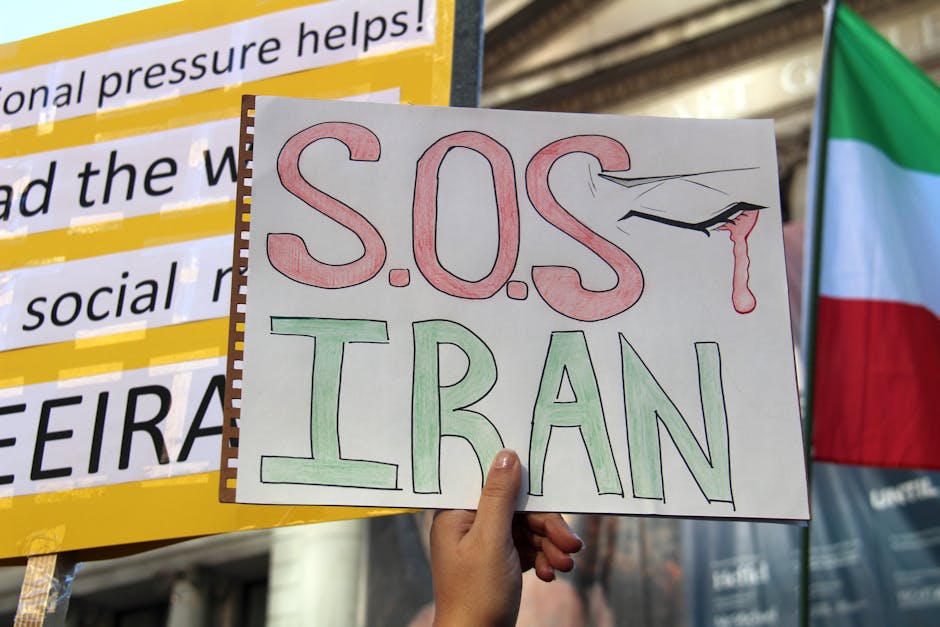
- Iran’s 45-day internet blackout has left millions disconnected from the global digital network, sparking frustration and economic risks.
- The shutdown has become a stark reminder of the state’s control over information, violating freedom of expression and fundamental human rights.
- Government officials continue to use the internet while ordinary citizens are left in the dark, highlighting the hypocrisy of the official narrative.
- The prolonged outage is hindering economic development and eroding trust between the government and its people.
- The international community, including the United Nations, has condemned the blackout as a violation of human rights and a hindrance to economic progress.
Iran has been grappling with a severe internet blackout for 45 days, a period marked by mounting frustration and growing economic risks. The shutdown, which began in response to widespread protests, has left millions of Iranians disconnected from the global digital network. This prolonged outage is not only a significant infringement on freedom of expression but also a stark reminder of the state’s control over information. Despite the official narrative that the blackout is necessary for national security, critics point out the glaring hypocrisy as government officials continue to use the internet, while ordinary citizens are left in the dark.
The Impact of the 45-Day Blackout

The internet blackout in Iran has reached a critical juncture, with widespread implications for both the economy and civil liberties. The shutdown, initiated to curb the spread of information during protests, has now extended far beyond its initial justification. This prolonged period of disconnection has sparked intense debate and criticism, not only from within Iran but also from the international community. The United Nations and various human rights organizations have condemned the blackout, calling it a violation of fundamental human rights and a hindrance to economic development. As the days turn into weeks, the trust between the government and its people continues to erode, with many Iranians feeling betrayed and disenfranchised.
Businesses Cripple Under the Blackout

The economic ramifications of the 45-day internet blackout are profound, with small businesses and startups bearing the brunt of the impact. Many companies rely on the internet for essential operations, including communication, marketing, and financial transactions. The prolonged outage has forced businesses to operate in a state of limbo, unable to conduct basic functions and facing significant financial losses. According to estimates from the Iran Chamber of Commerce, the daily economic loss due to the internet shutdown is around $30 million. This figure underscores the severe economic strain on a country already grappling with sanctions and inflation. The government’s decision to cut off internet access is seen as a desperate measure to control the narrative, but it has inadvertently exacerbated the economic crisis.
State Hypocrisy and Digital Divide
The hypocrisy of the Iranian government’s actions has not gone unnoticed. While officials justify the internet shutdown as a necessary security measure, reports and images have emerged showing government employees and high-ranking officials using the internet without restriction. This discrepancy has fueled public anger and skepticism, with many Iranians questioning the true motives behind the blackout. The digital divide created by this policy is stark, as those with access to government-controlled networks continue to operate normally, while the majority of the population is left isolated. This selective access to the internet is seen as a form of digital apartheid, further alienating citizens and undermining the government’s credibility.
Implications for Civil Society and the Economy
The 45-day internet blackout is having far-reaching implications for both civil society and the economy. For civil society, the lack of internet access is stifling the ability to organize, communicate, and share information. This has led to a suppression of dissent and a chilling effect on free speech. Economically, the impact is severe, with businesses struggling to maintain operations and international trade suffering. The loss of connectivity is also affecting education, healthcare, and other critical sectors, exacerbating the already challenging conditions in the country. The prolonged nature of the blackout is a clear indication of the government’s willingness to prioritize control over the well-being of its citizens.
Expert Perspectives
Experts have offered contrasting viewpoints on the 45-day internet blackout in Iran. Some, like Dr. Ali Akbar, a cybersecurity analyst, argue that the government’s actions are a direct response to the perceived threat of the protests and are aimed at maintaining stability. However, others, such as Professor Narges Bajoghli, a Middle East studies scholar, contend that the shutdown is a form of punishment and a means to silence dissent. Dr. Akbar suggests that the government may eventually ease restrictions as the situation stabilizes, while Professor Bajoghli warns of long-term damage to Iran’s digital infrastructure and civil liberties.
As the 45-day internet blackout continues, the international community and human rights organizations are closely monitoring the situation. The question remains: how long will the Iranian government maintain this shutdown, and what will be the long-term consequences for the country’s economy and civil society? The resilience of the Iranian people and the potential for alternative forms of communication to emerge will play a crucial role in shaping the future of this digital conflict.