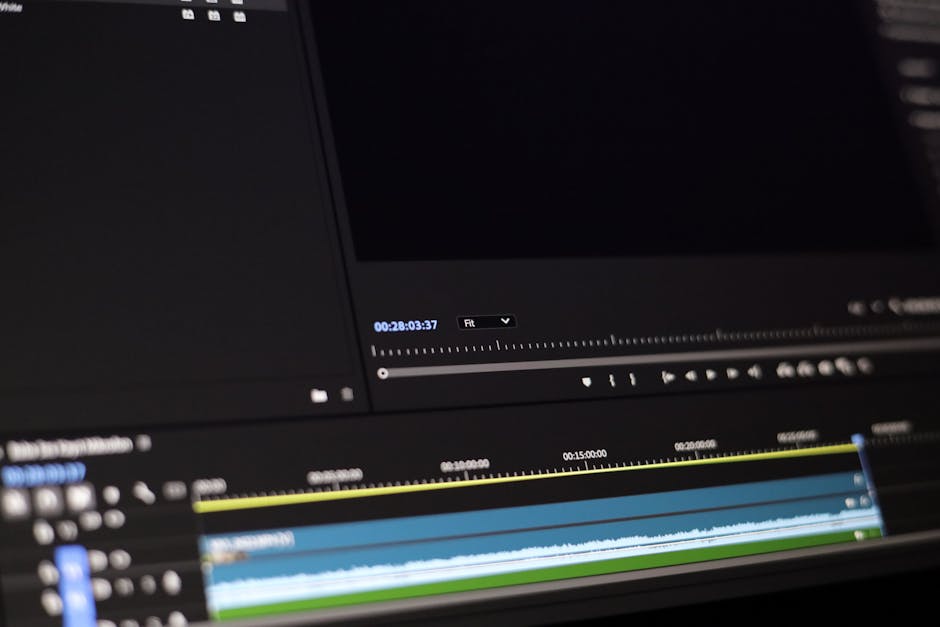
- DaVinci Resolve’s AI-powered video editing capabilities have contributed to its 20% surge in popularity over the past year.
- The software automates tedious tasks and provides real-time feedback, revolutionizing video editing and production.
- DaVinci Resolve’s user-friendly interface and wide range of features cater to diverse editing needs and skill levels.
- The software’s ability to learn and adapt to user behavior streamlines workflows and improves productivity.
- DaVinci Resolve’s AI features, including facial recognition, object detection, and audio ducking, enhance editing efficiency.
In a striking turn of events, DaVinci Resolve, a video editing software, has seen a significant surge in popularity, with a 20% increase in users over the past year. This remarkable growth can be attributed to the software’s integration of artificial intelligence (AI) and machine learning (ML) capabilities, making it an indispensable tool for filmmakers and video editors. With its ability to automate tedious tasks and provide real-time feedback, DaVinci Resolve is revolutionizing the way videos are edited and produced.
The Rise of AI-Powered Video Editing

The rise of AI-powered video editing is a testament to the rapidly evolving landscape of the film and video production industry. As technology continues to advance, the demand for efficient and effective editing tools has never been higher. DaVinci Resolve’s AI capabilities have made it an attractive option for professionals and amateurs alike, providing a user-friendly interface and a wide range of features that cater to diverse editing needs. The software’s ability to learn and adapt to user behavior has also made it an essential tool for those looking to streamline their workflow and improve productivity.
Key Features and Capabilities

DaVinci Resolve’s AI-powered video editing capabilities are built around a range of key features, including facial recognition, object detection, and audio ducking. These features enable editors to automatically detect and track objects, people, and audio levels, making it easier to create complex edits and visualize their work. The software also includes a range of collaboration tools, allowing multiple users to work on a project simultaneously and providing real-time feedback and commentary. With its robust feature set and intuitive interface, DaVinci Resolve has become the go-to choice for many professionals in the film and video production industry.
Expert Analysis and Insights
According to industry experts, DaVinci Resolve’s AI-powered video editing capabilities are a game-changer for the film and video production industry. The software’s ability to automate repetitive tasks and provide real-time feedback has significantly improved editing efficiency and productivity. Moreover, the software’s collaboration features have made it easier for teams to work together, regardless of location or time zone. As the demand for high-quality video content continues to grow, DaVinci Resolve’s AI-powered editing capabilities are poised to play a major role in shaping the future of the industry.
Implications and Future Outlook
The implications of DaVinci Resolve’s AI-powered video editing capabilities are far-reaching, with potential applications in a range of industries, from film and television production to advertising and marketing. As the software continues to evolve and improve, it is likely to have a significant impact on the way videos are created, edited, and distributed. With its ability to automate tasks and provide real-time feedback, DaVinci Resolve is poised to revolutionize the video production industry, making it easier and more efficient for creators to produce high-quality content.
Expert Perspectives
Industry experts have weighed in on the implications of DaVinci Resolve’s AI-powered video editing capabilities, with some hailing it as a revolutionary tool that will change the face of the industry. Others have expressed caution, noting that the software’s reliance on AI and ML may raise concerns about job displacement and the homogenization of creative content. As the debate continues, one thing is clear: DaVinci Resolve’s AI-powered video editing capabilities are here to stay, and their impact will be felt for years to come.
Looking ahead, it will be interesting to see how DaVinci Resolve’s AI-powered video editing capabilities continue to evolve and improve. Will the software become even more sophisticated, with advanced features and capabilities that further automate the editing process? Or will it face challenges and criticisms from those who are skeptical of its impact on the industry? As the video production landscape continues to shift and change, one thing is certain: DaVinci Resolve’s AI-powered video editing capabilities will play a major role in shaping the future of the industry.