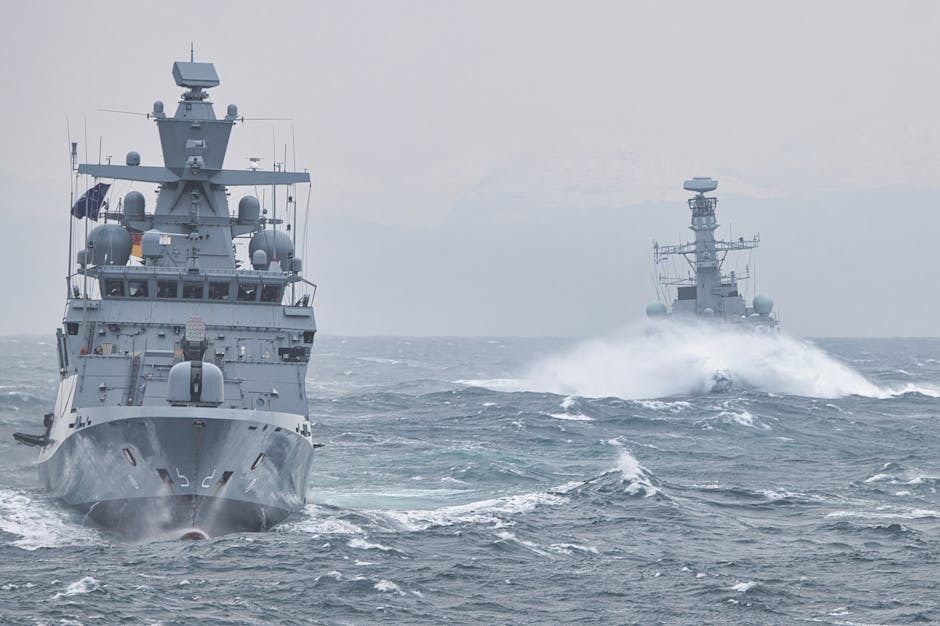
- 22 ships have been attacked in the Strait of Hormuz since the war on Iran began, highlighting the dangers faced by vessels in the region.
- The Strait of Hormuz is a critical waterway for global oil trade, with about 20% of the world’s petroleum passing through it.
- Escalating tensions between Iran and its neighbors have led to increased military activity and attacks on ships in the region.
- Ships passing through the Strait of Hormuz now face significant risks, prompting concern among ship owners and operators.
- The international community is urging for a de-escalation of tensions and a return to diplomatic solutions to prevent further disruptions.
The Strait of Hormuz, a critical waterway connecting the Persian Gulf to the Arabian Sea, has seen a significant surge in shipments in recent months. According to ship-tracking data, a total of 279 ships have passed through the strait since the war on Iran began, with 22 of these vessels being attacked. This alarming statistic highlights the escalating tensions in the region and the risks faced by ships navigating this vital trade route. The Strait of Hormuz is a major conduit for international oil trade, with approximately 20% of the world’s petroleum passing through it. As such, any disruption to shipping in the region has significant implications for the global economy.
Rising Tensions in the Region

The recent escalation of tensions in the region is largely attributed to the ongoing conflict between Iran and its neighboring countries. The war on Iran has led to a significant increase in military activity in the region, with both sides engaging in a series of attacks and counter-attacks. This has resulted in a heightened sense of insecurity among ship owners and operators, who are increasingly concerned about the safety of their vessels and crew. The Strait of Hormuz is particularly vulnerable to attack, given its narrow width and strategic importance. As such, the international community is closely monitoring the situation, with many calling for a de-escalation of tensions and a return to diplomatic negotiations.
Key Details of the Attacks

According to reports, the 22 ships that were attacked while passing through the Strait of Hormuz were primarily oil tankers and cargo vessels. The attacks were carried out by unidentified assailants, who used a combination of missiles, rockets, and other explosives to target the ships. In some cases, the attacks resulted in significant damage to the vessels, while in others, they were able to continue on their journey without major incident. The attacks have been widely condemned by the international community, with many calling for greater security measures to be put in place to protect ships navigating the region. The United States, in particular, has been vocal in its criticism of the attacks, with officials calling for Iran to take greater responsibility for ensuring the safety of ships in the region.
Analysis of the Situation
The situation in the Strait of Hormuz is complex and multifaceted, with a range of factors contributing to the escalating tensions. One key factor is the ongoing conflict between Iran and its neighboring countries, which has resulted in a significant increase in military activity in the region. Another factor is the strategic importance of the Strait of Hormuz, which makes it a critical target for attacks. The international community is also playing a role, with many countries calling for a de-escalation of tensions and a return to diplomatic negotiations. According to experts, the situation in the Strait of Hormuz is likely to continue to deteriorate unless there is a significant shift in the dynamics of the conflict. This could involve a reduction in military activity, an increase in diplomatic engagement, or a combination of both.
Implications of the Attacks
The implications of the attacks on ships passing through the Strait of Hormuz are far-reaching and significant. One of the most immediate consequences is the impact on the global oil trade, with the disruption to shipping in the region resulting in higher prices and reduced supplies. The attacks also have significant implications for the safety of ships and crew, with many vessels and their crew members being put at risk. Furthermore, the attacks have the potential to escalate the conflict in the region, with many countries calling for greater military action to be taken against those responsible. The international community is closely monitoring the situation, with many calling for a de-escalation of tensions and a return to diplomatic negotiations.
Expert Perspectives
Experts are divided on the best course of action to take in response to the attacks on ships passing through the Strait of Hormuz. Some argue that a military response is necessary to deter future attacks, while others believe that a diplomatic approach is more likely to be effective. According to one expert, the key to resolving the situation is to address the underlying causes of the conflict, rather than simply treating the symptoms. This could involve a range of measures, including diplomatic engagement, economic incentives, and security guarantees. Others argue that the international community needs to take a more robust approach, with one expert suggesting that the United Nations should play a more active role in mediating the conflict.
Looking to the future, it is clear that the situation in the Strait of Hormuz will continue to be a major concern for the international community. As such, it is essential that all parties involved work towards a de-escalation of tensions and a return to diplomatic negotiations. This could involve a range of measures, including confidence-building initiatives, security guarantees, and economic incentives. One key question that remains to be answered is what role the international community will play in resolving the conflict, and how it will balance the competing interests of the different parties involved. As the situation continues to evolve, it is likely that we will see a range of different approaches being taken, each with its own strengths and weaknesses.