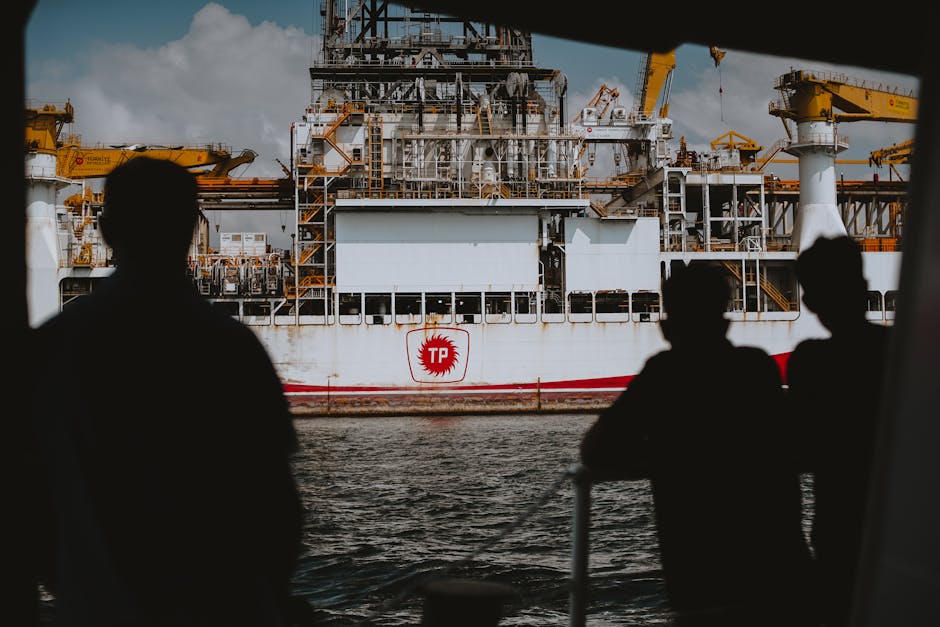
- A global energy crisis is looming, with far-reaching consequences for the economy, politics, and society.
- Iran has the world’s fourth-largest oil reserves and significant natural gas deposits, positioning it to benefit from the growing demand for energy.
- Iran’s strategic location on the Persian Gulf and Caspian Sea makes it a critical player in the global energy market.
- The energy crisis is driving a deeper geopolitical shift, with emerging economies putting pressure on global supplies and creating opportunities for countries like Iran.
- Iran’s energy sector has developed despite decades of international sanctions, positioning the country to capitalize on the growing demand for energy.
The world is on the cusp of a global energy crisis, with far-reaching consequences for the economy, politics, and society. As the crisis deepens, one country is poised to benefit from the chaos: Iran. With the world’s fourth-largest oil reserves and significant natural gas deposits, Iran is well-placed to capitalize on the growing demand for energy. The country’s strategic location, bordering the Persian Gulf and the Caspian Sea, makes it a critical player in the global energy market. As the energy crisis worsens, Iran’s influence is likely to grow, with significant implications for global politics.
The Gathering Storm

The global energy crisis is not just a matter of supply and demand; it is also a symptom of a deeper geopolitical shift. The rise of emerging economies, particularly in Asia, has led to a surge in energy demand, which is putting pressure on global supplies. At the same time, the COVID-19 pandemic has disrupted global supply chains, and the war in Ukraine has led to a significant decrease in Russian oil exports. As a result, the global energy market is becoming increasingly volatile, with prices rising and falling rapidly. This volatility is creating opportunities for countries like Iran, which have the resources and strategic location to benefit from the chaos.
Iran’s Energy Advantage

Iran’s energy sector has been subject to international sanctions for decades, but the country has continued to develop its oil and gas fields, despite the challenges. Today, Iran is one of the largest oil producers in the world, and its natural gas reserves are among the largest in the Middle East. The country’s energy sector is also becoming increasingly diversified, with a growing focus on renewable energy and nuclear power. As the global energy crisis deepens, Iran’s energy advantage is likely to become more significant, particularly if the country can navigate the complex web of international sanctions and diplomatic relationships.
Geopolitical Implications
The implications of Iran’s growing influence in the global energy market are far-reaching and complex. As the country’s energy exports increase, its relationships with other countries are likely to become more significant, particularly in the Middle East and Europe. Iran’s growing influence is also likely to be seen as a challenge by other major energy producers, such as Saudi Arabia and Russia, which could lead to increased tensions in the region. At the same time, the global energy crisis is creating new opportunities for diplomatic engagement and cooperation, particularly between Iran and European countries, which are seeking to reduce their dependence on Russian energy.
Global Consequences
The global energy crisis is not just a matter of economics; it is also a matter of politics and security. As energy prices rise and supplies become more uncertain, the risk of social and political unrest is increasing. In countries like Iran, where energy subsidies are a significant part of the government’s budget, the impact of the energy crisis could be particularly severe. At the same time, the crisis is creating new opportunities for countries like Iran, which have the resources and strategic location to benefit from the chaos. As the crisis deepens, it is likely that we will see significant changes in the global energy market, with major implications for politics, economics, and society.
Expert Perspectives
Experts are divided on the implications of Iran’s growing influence in the global energy market. Some argue that the country’s energy advantage is a significant opportunity for diplomatic engagement and cooperation, particularly with European countries. Others see Iran’s growing influence as a challenge to regional stability and global security. According to Dr. Sanam Vakil, a Middle East expert at Chatham House, “Iran’s energy sector is a critical component of its economy, and the country’s growing influence in the global energy market is likely to have significant implications for regional stability and global security.”
As the global energy crisis deepens, it is clear that time is on Iran’s side. The country’s energy advantage, combined with its strategic location and growing diplomatic influence, makes it a critical player in the global energy market. As the world struggles to navigate the challenges of the energy crisis, it is likely that Iran will emerge as a major beneficiary, with significant implications for global politics and economics. The question is, what will happen next? Will Iran use its growing influence to promote regional stability and global cooperation, or will it seek to exploit the chaos for its own advantage? Only time will tell.