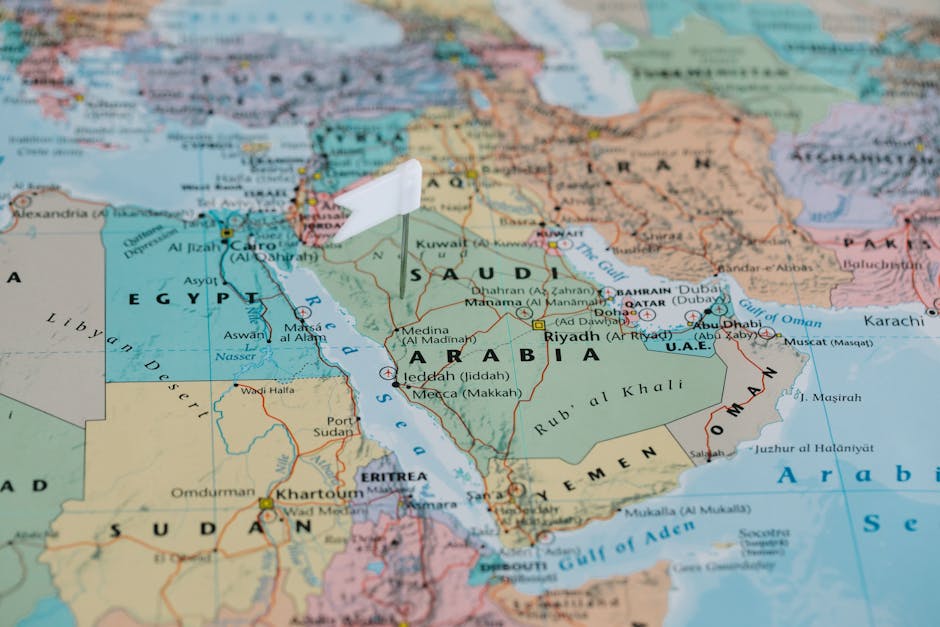
- The US has imposed a blockade on the Strait of Hormuz, a critical waterway connecting the Persian Gulf to the Arabian Sea.
- The blockade aims to counter Iran’s influence in the region and prevent it from benefiting economically from the strait’s closure.
- The Strait of Hormuz is a vital shipping lane for goods and commodities, with nearly 20% of the world’s oil passing through it daily.
- A blockade of the strait would have severe consequences for the global economy, leading to increased oil prices and disrupted supply chains.
- The US decision is a calculated move, aimed at disrupting Iran’s economic interests in the region and maintaining regional stability.
The Strait of Hormuz, a vital waterway connecting the Persian Gulf to the Arabian Sea, has become a focal point of escalating tensions between the US and Iran. In a striking move, President Trump announced that the US will impose a blockade on the strait, effectively cutting off Iran’s ability to police the waterway and reap economic benefits from its closure. This decision comes after peace talks between the two nations failed to yield a mutually acceptable agreement, leaving the global economy on edge. With nearly 20% of the world’s oil passing through the strait, the implications of this blockade are far-reaching and have the potential to disrupt the delicate balance of the global energy market.
The Strategic Importance of the Strait of Hormuz

The Strait of Hormuz is a critical chokepoint in the global oil trade, with approximately 17 million barrels of oil passing through it every day. The waterway’s significance extends beyond its role in the oil trade, as it also serves as a vital shipping lane for goods and commodities. The strait’s closure or blockade would have severe consequences for the global economy, as it would lead to a significant increase in oil prices and disrupt the supply chains of numerous industries. The US decision to blockade the strait is a calculated move to counter Iran’s influence in the region and prevent it from benefiting economically from the strait’s closure. As tensions between the US and Iran continue to escalate, the world is watching with bated breath, wondering what the consequences of this move will be.
The Failure of Peace Talks and the Road to Blockade

The US and Iran have been engaged in a war of words and diplomatic posturing for months, with the two nations struggling to find common ground on issues such as nuclear proliferation and regional security. Despite efforts to negotiate a peaceful resolution, the talks ultimately broke down, leading to the US decision to impose a blockade on the Strait of Hormuz. The blockade is a significant escalation of tensions between the two nations and marks a new chapter in their complicated and often contentious relationship. As the US and Iran engage in a game of geopolitical cat and mouse, the international community is left to wonder what the consequences of this move will be and how it will affect the global economy. The US has made it clear that it will not tolerate Iran’s aggressive behavior in the region and is willing to take drastic measures to protect its interests and those of its allies.
Analysis of the Blockade’s Impact
The US blockade of the Strait of Hormuz is a complex and multifaceted issue, with far-reaching implications for the global economy and regional security. On one hand, the blockade is a clear demonstration of the US’s commitment to countering Iran’s influence in the region and preventing it from benefiting economically from the strait’s closure. On the other hand, the move is likely to have significant consequences for the global oil market, as it will lead to a reduction in oil supplies and a subsequent increase in prices. The blockade will also have a disproportionate impact on certain industries, such as shipping and aviation, which rely heavily on the strait for the transportation of goods and commodities. As experts and analysts scramble to assess the impact of the blockade, one thing is clear: the move marks a significant escalation of tensions between the US and Iran, and its consequences will be felt for years to come.
Implications of the Blockade
The US blockade of the Strait of Hormuz will have significant implications for the global economy, particularly for nations that rely heavily on oil imports. The blockade will lead to a reduction in oil supplies, which will drive up prices and have a ripple effect on the global economy. The move will also have a disproportionate impact on certain industries, such as shipping and aviation, which will be forced to find alternative routes and modes of transportation. As the world struggles to come to terms with the implications of the blockade, one thing is clear: the move marks a significant shift in the global balance of power and will have far-reaching consequences for the global economy and regional security. The international community will be watching closely as the situation unfolds, and nations will be forced to navigate the complex and treacherous landscape of global politics.
Expert Perspectives
Experts and analysts are divided on the implications of the US blockade of the Strait of Hormuz, with some arguing that it is a necessary measure to counter Iran’s aggressive behavior in the region. Others, however, argue that the move is a reckless and provocative act that will only serve to escalate tensions between the US and Iran. As the situation continues to unfold, it is clear that the blockade will have significant implications for the global economy and regional security. Experts warn that the move could lead to a wider conflict in the region, drawing in other nations and exacerbating existing tensions. As the world waits with bated breath to see how the situation will play out, one thing is clear: the US blockade of the Strait of Hormuz marks a significant turning point in the complex and often contentious relationship between the US and Iran.
As the situation continues to unfold, the international community will be watching closely to see how the US and Iran will navigate the complex and treacherous landscape of global politics. The US blockade of the Strait of Hormuz is a significant escalation of tensions between the two nations, and its consequences will be felt for years to come. As experts and analysts scramble to assess the impact of the blockade, one thing is clear: the move marks a new chapter in the complicated and often contentious relationship between the US and Iran. The question on everyone’s mind is: what’s next? Will the US and Iran be able to find a way to resolve their differences, or will the situation continue to escalate, leading to a wider conflict in the region? Only time will tell, but one thing is certain: the US blockade of the Strait of Hormuz is a significant turning point in the history of the region, and its consequences will be felt for generations to come.