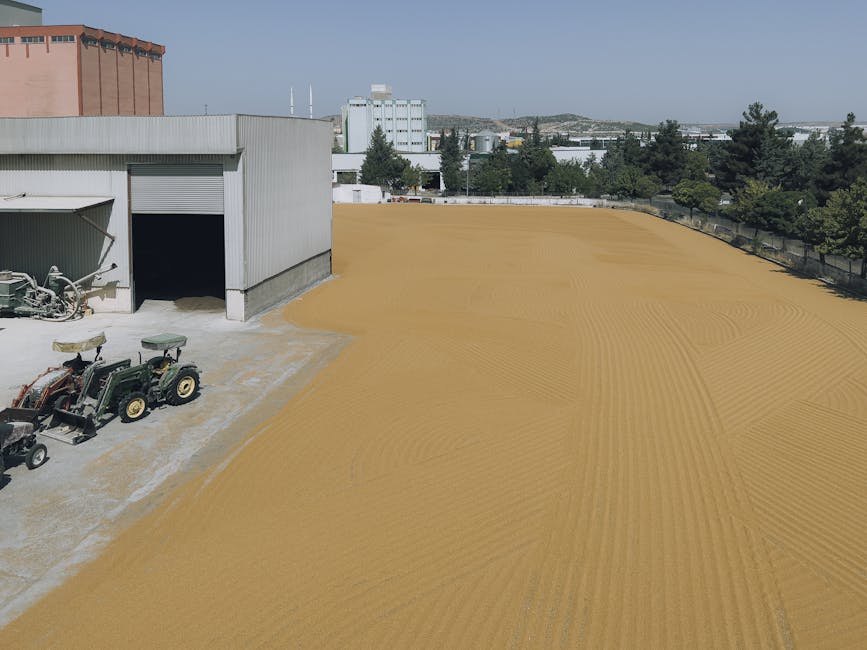
- The ongoing conflict in Iran poses a significant threat to global food security due to a decline in agricultural production.
- Food shortages and price increases in the region have sparked fears of far-reaching consequences for global food security.
- The Iran war highlights the vulnerability of global food security to geopolitical conflicts, emphasizing the need for sustainable food systems.
- Climate change, water scarcity, soil degradation, and biodiversity loss already strain the global food system.
- The global population’s projected growth to 9 billion by 2050 underscores the pressing need for secure and sustainable food systems.
The ongoing conflict in Iran has raised concerns about the potential risks to global food security, with the United Nations warning that the impact could last well beyond the conflict itself. According to recent estimates, the war has already led to a significant decline in agricultural production, resulting in food shortages and price increases in the region. This has sparked fears that the conflict could have far-reaching consequences for global food security, affecting not only the Middle East but also other parts of the world. With the global population projected to reach 9 billion by 2050, the need for sustainable and secure food systems has never been more pressing. The Iran war has highlighted the vulnerability of global food security to geopolitical conflicts, and it is essential to understand the potential risks and implications of this crisis.
The Current State of Global Food Security

The global food security landscape is already fraught with challenges, from climate change and water scarcity to soil degradation and biodiversity loss. The world’s population is growing at an unprecedented rate, putting pressure on the global food system to produce more food with limited resources. The COVID-19 pandemic has further exacerbated these challenges, disrupting food supply chains and amplifying the vulnerabilities of the global food system. In this context, the Iran war has added a new layer of complexity to the global food security equation, threatening to undermine the progress made in recent years to reduce hunger and malnutrition. The international community must take a proactive approach to address the potential risks and consequences of this conflict on global food security.
The Impact of the Iran War on Food Production

The Iran war has already had a significant impact on food production in the region, with many farmers forced to abandon their lands due to the conflict. The war has also disrupted supply chains, making it difficult for farmers to access essential inputs such as seeds, fertilizers, and equipment. As a result, agricultural production has declined sharply, leading to food shortages and price increases. The conflict has also affected the livelihoods of millions of people who depend on agriculture for their income, exacerbating poverty and food insecurity in the region. The international community must take urgent action to support farmers and agricultural communities affected by the conflict, providing them with the necessary resources and assistance to resume food production.
Analyzing the Causes and Consequences of the Crisis
The causes of the Iran war are complex and multifaceted, involving a range of geopolitical, economic, and cultural factors. However, the consequences of the conflict on global food security are clear: the war has disrupted food supply chains, led to food shortages and price increases, and exacerbated poverty and food insecurity in the region. The conflict has also highlighted the vulnerabilities of the global food system to geopolitical conflicts, underscoring the need for more resilient and sustainable food systems. To address the crisis, policymakers must take a comprehensive approach that addresses the root causes of the conflict, supports affected communities, and promotes sustainable agriculture practices. This will require a coordinated effort from the international community, involving governments, international organizations, and civil society.
Implications for Global Food Security
The implications of the Iran war for global food security are far-reaching and potentially devastating. The conflict could lead to a decline in global food availability, exacerbating hunger and malnutrition in vulnerable communities. The war could also lead to price increases, making food less affordable for millions of people around the world. Furthermore, the conflict could have a disproportionate impact on small-scale farmers and agricultural communities, who are already struggling to cope with the challenges of climate change and poverty. To mitigate these risks, policymakers must take proactive steps to support global food security, investing in sustainable agriculture practices, reducing food waste, and promoting equitable access to food for all.
Expert Perspectives
Experts warn that the Iran war poses significant risks to global food security, and that urgent action is needed to address the crisis. According to Dr. Maria Rodriguez, a food security expert at the United Nations, “the conflict in Iran has highlighted the vulnerabilities of the global food system to geopolitical conflicts, and the need for more resilient and sustainable food systems.” Dr. John Taylor, a professor of agriculture at the University of California, adds that “the war could have a devastating impact on global food security, exacerbating hunger and malnutrition in vulnerable communities.” These expert perspectives underscore the need for a coordinated and comprehensive approach to address the crisis, involving governments, international organizations, and civil society.
As the conflict in Iran continues to unfold, it is essential to watch for signs of a prolonged impact on global food security. The international community must be prepared to respond to emerging challenges and opportunities, investing in sustainable agriculture practices, reducing food waste, and promoting equitable access to food for all. One open question is how the conflict will affect the global governance of food security, and whether it will lead to a more coordinated and effective response to food security crises. As the world navigates this complex and challenging landscape, it is clear that the Iran war has significant implications for global food security, and that urgent action is needed to address the crisis.