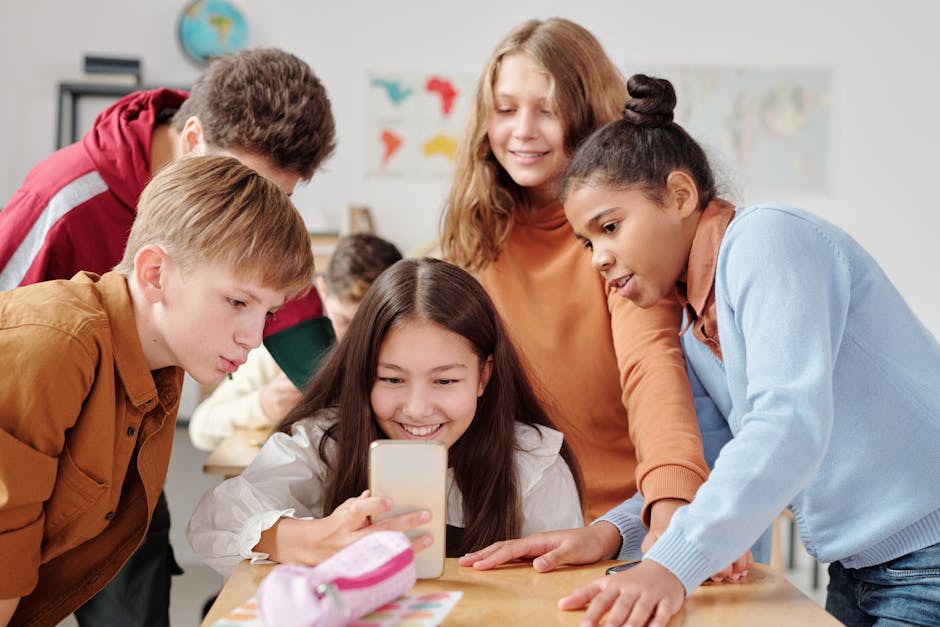
The world of role-playing chatbots has taken an interesting turn, with teenagers at the forefront of this trend. A striking fact is that over 70% of teenagers have engaged with a chatbot at least once, with many using them as a means to express themselves and explore their creativity. This phenomenon has raised eyebrows, as it reveals a complex and multifaceted relationship between teens and technology. From chatting with a block of cheese to confiding in a bot about a broken heart, the ways in which teenagers are interacting with these chatbots are as varied as they are intriguing.
The Rise of Chatbot Culture

The rise of chatbot culture among teenagers is a significant development that warrants attention. As technology continues to advance and become more integrated into daily life, it is no surprise that teens are finding new and innovative ways to utilize it. The fact that chatbots are being used as a means of role-playing and self-expression highlights the importance of understanding this trend. By examining the reasons behind this phenomenon, we can gain valuable insights into the needs and desires of teenagers in the digital age. With the proliferation of social media and online platforms, it is clear that teens are seeking out new ways to connect and interact with others, and chatbots are filling a void in this regard.
Key Players and Trends

A closer look at the key players and trends in the world of role-playing chatbots reveals a fascinating landscape. Companies such as Replika and Woebot are leading the charge, offering chatbots that can engage in conversation, provide emotional support, and even offer guidance on topics such as mental health. Teenagers are using these chatbots to talk about their feelings, share their experiences, and even engage in playful and humorous interactions. For example, some teens are using chatbots to create fictional scenarios, such as talking to a block of cheese or engaging in a fantasy world. Others are using chatbots as a means of emotional support, confiding in them about their struggles and heartbreak.
Understanding the Appeal
So why are teenagers drawn to role-playing chatbots? One reason is that these chatbots offer a sense of anonymity and freedom, allowing teens to express themselves without fear of judgment or repercussions. Additionally, chatbots provide a unique outlet for creativity and self-expression, enabling teens to explore different personas and scenarios in a safe and controlled environment. The data also suggests that chatbots are filling a void in the lives of teenagers, providing companionship and emotional support in a world where social media can often feel overwhelming and isolating. As one expert notes, “Chatbots are offering teenagers a sense of connection and community that they may not be finding elsewhere in their lives.”
Implications and Concerns
The implications of this trend are significant, and raise important questions about the impact of technology on teenage mental health and well-being. On the one hand, chatbots can provide a valuable outlet for self-expression and emotional support, helping teens to navigate the challenges of adolescence. On the other hand, there are concerns about the potential risks of relying on chatbots as a primary means of social interaction, rather than engaging with human peers. As one expert warns, “While chatbots can be a useful tool, they should not be seen as a replacement for human connection and relationships.”
Expert Perspectives
Experts in the field of technology and psychology offer contrasting viewpoints on the trend of teenagers using role-playing chatbots. Some see it as a positive development, highlighting the potential benefits of chatbots in terms of emotional support and self-expression. Others are more cautious, warning about the potential risks of relying on technology as a primary means of social interaction. As one expert notes, “The key is to find a balance between technology use and human connection, and to ensure that teenagers are using chatbots in a healthy and responsible way.”
As we look to the future, it will be interesting to see how the trend of teenagers using role-playing chatbots evolves. Will chatbots become an increasingly important part of teenage life, or will they fade into the background as new technologies emerge? One thing is certain: the relationship between teenagers and technology is complex and multifaceted, and will continue to be an important area of study and exploration in the years to come. As we consider the implications of this trend, we must also ask ourselves: what does the future hold for teenagers and technology, and how can we ensure that this relationship is a positive and healthy one?