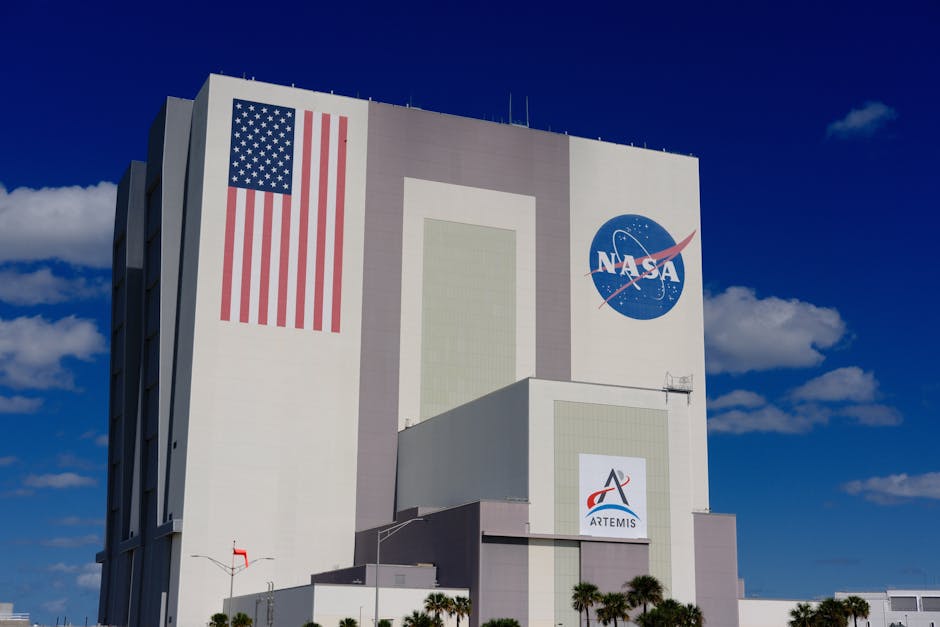
- NASA’s Artemis II mission marks a significant milestone in space exploration, with the successful return of its crew.
- The mission is part of a broader effort to return humans to the lunar surface by 2025 and establish a sustainable presence on the moon.
- The Artemis II mission demonstrates the capability to send astronauts on a lunar orbit and return them safely to Earth.
- The mission provides valuable insights into the effects of space travel on the human body, essential for future long-duration missions.
- The successful completion of the Artemis II mission paves the way for further exploration and discovery, including sending humans to Mars.
The successful return of NASA’s Artemis II mission crew marks a significant milestone in the pursuit of space exploration. The four astronauts, who embarked on a historic journey around the moon, have been welcomed back to Earth, bringing with them a wealth of knowledge and experience that will shape the future of space travel. As the world watches with bated breath, the crew’s safe return is a testament to human ingenuity and the unwavering dedication of the individuals involved in the mission. With this achievement, NASA has taken a giant leap towards establishing a sustainable presence on the lunar surface, paving the way for further exploration and discovery.
Background and Significance

The Artemis II mission is part of a broader effort to return humans to the lunar surface by 2025. The program, which was announced in 2019, aims to establish a sustainable presence on the moon, with the ultimate goal of sending humans to Mars and beyond. The successful completion of the Artemis II mission is a crucial step towards achieving this objective, as it demonstrates the capability to send astronauts on a lunar orbit and return them safely to Earth. The mission also provides valuable insights into the effects of space travel on the human body, which will be essential for future long-duration missions.
Mission Details and Crew

The Artemis II mission crew, consisting of four experienced astronauts, launched into space on a powerful rocket, embarking on a journey that would take them farther than any human has gone before. The crew members, who were carefully selected and trained for the mission, worked tirelessly to ensure the success of the mission, conducting a range of scientific experiments and gathering valuable data during their time in space. The mission was carefully planned and executed, with the crew facing numerous challenges along the way, including the harsh conditions of space and the complexities of navigating a lunar orbit.
Analysis and Implications
The successful completion of the Artemis II mission has significant implications for the future of space exploration. The mission demonstrates the capability to send astronauts on a lunar orbit and return them safely to Earth, paving the way for future missions to the moon and beyond. The data gathered during the mission will also provide valuable insights into the effects of space travel on the human body, which will be essential for future long-duration missions. Furthermore, the mission highlights the importance of international cooperation in space exploration, with NASA working closely with its partners to achieve this historic milestone.
Future Prospects and Challenges
The return of the Artemis II mission crew marks the beginning of a new era in space exploration. As NASA looks to the future, the agency will face numerous challenges, including the development of new technologies and the establishment of a sustainable presence on the lunar surface. However, with the success of the Artemis II mission, the agency has taken a significant step towards achieving its goals, and the future of space exploration looks brighter than ever. The mission has also sparked a new wave of interest in space travel, inspiring a new generation of scientists, engineers, and astronauts to pursue careers in the field.
Expert Perspectives
Experts in the field of space exploration have hailed the Artemis II mission as a major success, highlighting the significance of the mission and its implications for the future of space travel. According to Dr. Maria Zuber, NASA’s Associate Administrator for the Science Mission Directorate, ‘the Artemis II mission is a critical step towards establishing a sustainable presence on the lunar surface.’ Dr. Zuber also emphasized the importance of international cooperation in space exploration, stating that ‘the success of the mission is a testament to the power of collaboration and cooperation in achieving great things.’
As the space community looks to the future, there are many questions that remain unanswered. What will be the next major milestone in space exploration? How will NASA overcome the challenges of establishing a sustainable presence on the lunar surface? And what role will international cooperation play in shaping the future of space travel? These are just a few of the questions that will be answered in the coming years, as NASA and its partners continue to push the boundaries of space exploration and achieve great things.