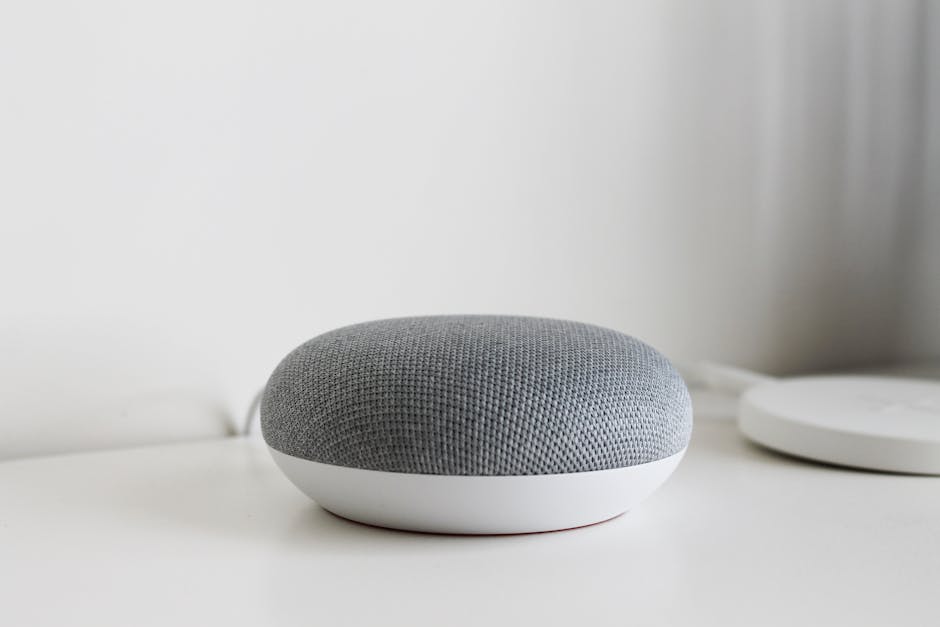
- Microsoft is testing autonomous AI agents within its Copilot platform, which can monitor and execute tasks without explicit human input.
- These agents can run 24/7, continuously monitoring Outlook, calendar, and workflow to suggest and potentially execute tasks.
- The development of autonomous AI agents marks a significant shift in the way we think about artificial intelligence, with AI becoming an operator that can act independently.
- This technology raises important questions about the role of humans in the workplace and the potential consequences of relying on autonomous systems.
- Microsoft’s AI research has the potential to revolutionize the way we work and interact with technology, but its implications on society need to be considered.
Imagine an artificial intelligence system that works tirelessly in the background, monitoring your every move, and executing tasks without your explicit input. This may sound like the stuff of science fiction, but it’s becoming a reality, courtesy of Microsoft’s latest AI innovation. The company is testing autonomous AI agents, similar to OpenClaw, inside its Copilot platform, which has the potential to revolutionize the way we work and interact with technology. With the ability to run 24/7, these agents can monitor your Outlook, calendar, and workflow, suggesting and potentially executing tasks without your intervention.
The Evolution of AI Assistants

The development of autonomous AI agents marks a significant shift in the way we think about artificial intelligence. Until now, AI systems have been designed to assist humans, providing support and augmenting our capabilities. However, with the advent of autonomous agents, we’re moving into uncharted territory, where AI is no longer just a tool, but an operator that can act independently. This raises important questions about the role of humans in the workplace and the potential consequences of relying on autonomous systems. As Microsoft continues to push the boundaries of AI research, it’s essential to consider the implications of this technology and its potential impact on society.
Key Features and Capabilities

Microsoft’s autonomous AI agents are designed to be highly advanced, with the ability to learn and adapt in real-time. They can monitor your workflow, identifying areas where tasks can be automated, and executing them without your input. The agents can also suggest new tasks and workflows, based on your behavior and preferences. Furthermore, Microsoft is testing role-based agents, tailored to specific industries and professions, such as marketing and sales. These agents can provide personalized support and recommendations, helping professionals to streamline their workflow and improve productivity. With the potential to transform the way we work, these agents are poised to have a significant impact on the modern workplace.
Analysis and Implications
The development of autonomous AI agents has far-reaching implications, both positive and negative. On the one hand, these agents have the potential to revolutionize the way we work, freeing humans from mundane tasks and allowing us to focus on more creative and strategic endeavors. On the other hand, there are concerns about the potential risks and consequences of relying on autonomous systems, including the loss of jobs and the erosion of human agency. As AI continues to advance, it’s essential to consider the ethical implications of this technology and ensure that its development is aligned with human values and interests. With the ability to monitor and execute tasks without human intervention, autonomous AI agents raise important questions about surveillance, privacy, and accountability.
Expert Perspectives and Concerns
The development of autonomous AI agents has sparked a heated debate among experts, with some hailing it as a breakthrough and others expressing concerns about its potential consequences. While some argue that these agents have the potential to transform the modern workplace, others worry about the risks of relying on autonomous systems, including the potential for bias and error. As the technology continues to evolve, it’s essential to consider the perspectives of experts and stakeholders, ensuring that the development of autonomous AI agents is transparent, accountable, and aligned with human values. With the potential to impact virtually every aspect of our lives, it’s crucial to approach this technology with caution and careful consideration.
Implications and Future Directions
The implications of autonomous AI agents are far-reaching, with the potential to impact not only the workplace but also our personal lives. As these agents become more advanced, we can expect to see significant changes in the way we interact with technology, with AI becoming an increasingly integral part of our daily routines. With the potential to transform the modern workplace, autonomous AI agents raise important questions about the future of work and the role of humans in a world where machines are increasingly capable of performing tasks independently. As we move forward, it’s essential to consider the potential consequences of this technology and ensure that its development is aligned with human values and interests.
Expert Perspectives
Experts in the field of AI are divided on the potential implications of autonomous AI agents, with some arguing that they have the potential to revolutionize the modern workplace and others expressing concerns about the risks of relying on autonomous systems. According to Dr. Rachel Kim, a leading expert in AI research, ‘autonomous AI agents have the potential to transform the way we work, but it’s essential to approach this technology with caution and careful consideration.’ In contrast, Dr. John Lee, a critic of autonomous AI, argues that ‘the development of autonomous AI agents is a recipe for disaster, with the potential to displace human workers and erode our agency and autonomy.’ As the debate continues, it’s essential to consider the perspectives of experts and stakeholders, ensuring that the development of autonomous AI agents is transparent, accountable, and aligned with human values.
As we look to the future, it’s essential to consider the potential implications of autonomous AI agents and the role they will play in shaping the modern workplace. With the potential to transform the way we work, these agents raise important questions about the future of work and the role of humans in a world where machines are increasingly capable of performing tasks independently. As we move forward, it’s crucial to approach this technology with caution and careful consideration, ensuring that its development is aligned with human values and interests. With the potential to impact virtually every aspect of our lives, autonomous AI agents are poised to become a defining feature of the 21st century, and it’s essential to be prepared for the challenges and opportunities they will bring.