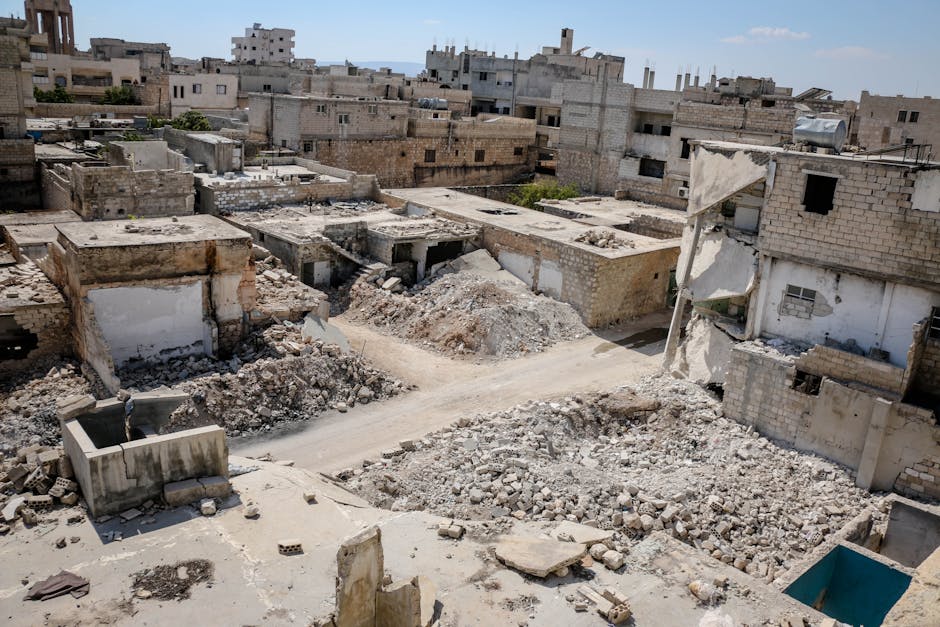
- Lafarge has become the first French company to be found guilty of financing terrorism, setting a precedent for future cases.
- The guilty verdict marks a significant milestone in the ongoing effort to hold companies accountable companies for their actions in conflict areas.
- Lafarge’s involvement in Syria dates back to 2010, when the company acquired a majority stake in a local cement plant.
- The company’s actions in Syria have been under scrutiny for years, with the guilty verdict likely to have far-reaching implications for Lafarge and the wider corporate world.
- The ruling highlights the complex and often murky world of corporate involvement in war zones, with companies often facing difficult decisions in conflict areas.
The Syrian war has been marked by numerous instances of corporate wrongdoing, but a recent French court ruling has brought attention to the role of companies in financing terrorism. In a landmark verdict, cement company Lafarge has been found guilty of financing armed groups during the Syrian conflict, highlighting the complex and often murky world of corporate involvement in war zones. The ruling marks a significant milestone in the ongoing effort to hold companies accountable for their actions in conflict areas. With the verdict, Lafarge becomes the first French company to be found guilty of financing terrorism, setting a precedent for future cases. The company’s actions in Syria have been under scrutiny for years, and the guilty verdict is likely to have far-reaching implications for Lafarge and the wider corporate world.
The Background: Lafarge’s Involvement in Syria

Lafarge’s involvement in Syria dates back to 2010, when the company acquired a majority stake in a local cement plant. As the Syrian war escalated, Lafarge continued to operate in the country, despite the increasingly dire security situation. The company has maintained that it was forced to make payments to armed groups in order to keep its plant running and protect its employees. However, prosecutors argued that Lafarge’s actions went beyond mere protection payments and constituted financing of terrorism. The case against Lafarge has been ongoing for several years, with the company facing allegations of paying off armed groups, including the Islamic State. The verdict is a significant blow to Lafarge’s reputation and is likely to have major implications for the company’s future operations.
Key Details of the Case

The case against Lafarge centered on the company’s payments to armed groups in Syria. Prosecutors alleged that Lafarge paid millions of euros to various groups, including the Islamic State, in order to keep its plant running and maintain access to raw materials. The company has maintained that these payments were necessary to protect its employees and ensure the continued operation of its plant. However, the court ultimately ruled that Lafarge’s actions constituted financing of terrorism, rather than mere protection payments. The verdict is based on a thorough examination of the evidence, including internal Lafarge documents and testimony from former employees. The case has been closely watched by human rights groups and corporate accountability advocates, who argue that companies must be held accountable for their actions in conflict zones.
Analysis: Causes, Effects, and Implications
The Lafarge verdict has significant implications for the wider corporate world. The case highlights the risks and challenges faced by companies operating in conflict zones, where the lines between legitimate business activities and financing of terrorism can become blurred. The verdict also underscores the importance of corporate accountability and the need for companies to prioritize human rights and international law. The case against Lafarge was brought under French law, which allows for the prosecution of companies for crimes committed abroad. The verdict sets a precedent for future cases and is likely to have a major impact on the way companies approach their operations in conflict zones. As the global business community grapples with the implications of the verdict, there are likely to be significant changes in the way companies approach risk management and compliance in high-risk environments.
Implications: Who is Affected and How
The Lafarge verdict is likely to have far-reaching implications for the company, its employees, and the wider corporate world. The guilty verdict is likely to result in significant fines and damage to Lafarge’s reputation, which could have a major impact on the company’s future operations. The case also highlights the risks faced by companies operating in conflict zones, where the potential for unintended consequences is high. The verdict is likely to lead to increased scrutiny of corporate activities in conflict zones, with companies facing greater pressure to prioritize human rights and international law. As the corporate world comes to terms with the implications of the verdict, there are likely to be significant changes in the way companies approach their operations in high-risk environments.
Expert Perspectives
Experts have welcomed the Lafarge verdict as a significant step forward in the effort to hold companies accountable for their actions in conflict zones. Human rights groups have argued that the verdict sets a precedent for future cases and underscores the importance of corporate accountability. However, some experts have also raised concerns about the potential implications of the verdict, arguing that it could lead to increased risk aversion among companies operating in conflict zones. As the debate continues, it is clear that the Lafarge verdict marks a significant milestone in the ongoing effort to promote corporate accountability and respect for human rights.
Looking ahead, the Lafarge verdict raises important questions about the future of corporate accountability and the role of companies in conflict zones. As the global business community grapples with the implications of the verdict, there are likely to be significant changes in the way companies approach their operations in high-risk environments. One key question is how companies will balance the need to operate in high-risk environments with the need to prioritize human rights and international law. As the debate continues, it is clear that the Lafarge verdict marks a significant step forward in the effort to promote corporate accountability and respect for human rights.